
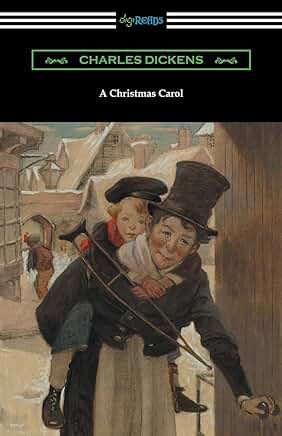
“A Christmas Carol,” written by Charles Dickens in 1843, is a novella that has become one of the most beloved and enduring holiday tales in Western literature. The story’s timeless themes of redemption, compassion, and the transformative power of the Christmas spirit continue to resonate with readers more than a century after its publication. The novella’s compelling narrative, memorable characters, and vivid depictions of Victorian England contribute to its lasting appeal.
Summary
The novella follows the story of Ebenezer Scrooge, a miserly and cold-hearted old man who despises Christmas and all things associated with joy and charity. On Christmas Eve, Scrooge is visited by the ghost of his former business partner, Jacob Marley, who warns him that he will be condemned to a similar fate if he does not change his ways. Marley tells Scrooge that he will be visited by three spirits that night.
The first spirit, the Ghost of Christmas Past, takes Scrooge on a journey through his own past, showing him scenes from his childhood, youth, and early adulthood. These scenes reveal the moments that shaped Scrooge’s character, including his lost love and the gradual hardening of his heart.
The second spirit, the Ghost of Christmas Present, shows Scrooge scenes of people celebrating Christmas in the present day. Scrooge witnesses the humble but joyful Christmas celebrations of his clerk, Bob Cratchit, and his family, including Cratchit’s ailing son, Tiny Tim. The spirit also reveals the widespread poverty and suffering that exist, juxtaposed with the generosity and goodwill that Christmas inspires in people.
The third and final spirit, the Ghost of Christmas Yet to Come, presents a grim vision of Scrooge’s future. He sees his own death, unloved and unmourned, as well as the potential death of Tiny Tim if things do not change. This haunting vision compels Scrooge to plead for a chance to alter his fate.
Awakening on Christmas morning with a newfound sense of joy and compassion, Scrooge becomes a changed man. He embraces the spirit of Christmas, generously helping those around him, reconnecting with family, and extending kindness to all. His transformation brings happiness to himself and those whose lives he touches, particularly the Cratchit family.
Themes
“A Christmas Carol” explores several significant themes:
- Redemption: The novella’s central theme is redemption, illustrated through Scrooge’s transformation from a miserly, selfish man to a generous, caring individual. Dickens suggests that it is never too late for a person to change their ways and make amends for past wrongs.
- Compassion and Generosity: Dickens emphasizes the importance of compassion and generosity, especially during the Christmas season. Through characters like Bob Cratchit and his family, Dickens highlights how kindness and goodwill can uplift those in need.
- The Spirit of Christmas: The novella celebrates the spirit of Christmas as a time of joy, togetherness, and giving. Dickens portrays Christmas as an opportunity for individuals to reflect on their actions, connect with loved ones, and extend kindness to others.
- Social Critique: “A Christmas Carol” serves as a critique of the social and economic inequalities of Dickens’ time. By depicting the harsh realities of poverty and the stark contrast between the wealthy and the poor, Dickens calls for greater social responsibility and empathy.
Character Analysis
- Ebenezer Scrooge: The protagonist of the novella, Scrooge is initially portrayed as a miserly, isolated figure who prioritizes wealth over human connection. His journey of self-reflection and transformation is the heart of the story, illustrating the potential for personal redemption and growth.
- Bob Cratchit: Scrooge’s kind and hardworking clerk, Bob Cratchit, represents the struggles of the working poor. Despite his difficult circumstances, Cratchit remains optimistic and loving, embodying the values of compassion and family.
- Tiny Tim: The youngest son of Bob Cratchit, Tiny Tim is a symbol of innocence and vulnerability. His health and future are uncertain, highlighting the consequences of social neglect. Tiny Tim’s famous line, “God bless us, every one!” underscores the novella’s message of universal goodwill.
- Jacob Marley: Scrooge’s deceased business partner, Marley, serves as a warning to Scrooge. Marley’s ghost, bound by heavy chains, represents the burden of a life lived without compassion. His visit sets the stage for Scrooge’s journey toward redemption.
Conclusion
“A Christmas Carol” remains a powerful and poignant tale that continues to inspire readers with its message of hope, transformation, and the enduring spirit of Christmas. Charles Dickens masterfully combines social commentary with a heartwarming narrative, creating a story that transcends its Victorian context to remain relevant and cherished today. Through the character of Ebenezer Scrooge, Dickens reminds us of the potential for change within each of us and the profound impact of kindness and generosity on the world around us.
Discover more from The New Renaissance Mindset
Subscribe to get the latest posts sent to your email.
 The New Renaissance Mindset