
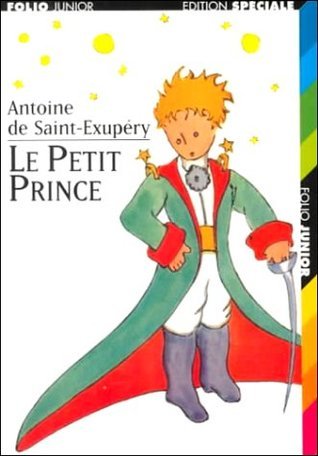
“Le Petit Prince” (The Little Prince), written by Antoine de Saint-Exupéry, is a timeless novella that has captured the hearts of readers worldwide since its publication in 1943. It is often considered a children’s book, but its profound philosophical themes make it equally appealing to adults. The narrative is a poignant exploration of human nature, love, loss, and the essence of true wisdom.
Summary
The story begins with the narrator, a pilot stranded in the Sahara Desert after a plane crash. While trying to repair his aircraft, he encounters a young boy who introduces himself as the Little Prince. The Little Prince hails from a small asteroid, B-612, and shares his journey across the universe, visiting various planets and meeting their eccentric inhabitants.
Each character the Little Prince encounters symbolizes different aspects of human nature:
- The King who rules over nothing, representing the desire for power.
- The Vain Man who craves admiration, illustrating the emptiness of vanity.
- The Drunkard who drinks to forget his shame, showing the cycle of addiction.
- The Businessman who is obsessed with counting stars, embodying materialism.
- The Lamplighter who follows orders blindly, symbolizing absurdity.
- The Geographer who never explores, depicting the limitations of theoretical knowledge.
Eventually, the Little Prince arrives on Earth and meets the narrator, as well as a fox who teaches him a fundamental lesson: “One sees clearly only with the heart. What is essential is invisible to the eye.” This wisdom encapsulates the core message of the novella, emphasizing the importance of love, relationships, and the inner values that define our existence.
Themes
1. Innocence and Experience: The Little Prince represents the purity and innocence of childhood, contrasted with the flawed, often contradictory behavior of adults. Saint-Exupéry critiques adult preoccupations with power, wealth, and superficial concerns, advocating for a return to the innocence and open-heartedness of youth.
2. Love and Loss: The novella delves deeply into the nature of love and loss, particularly through the Prince’s relationship with his rose. His love for the rose is a journey of realization that true love involves responsibility, care, and the willingness to endure pain and separation.
3. The Absurdity of Adult Life: Through the characters on the different planets, Saint-Exupéry highlights the absurdity and irrationality of many adult behaviors and societal norms. Each planet’s inhabitant serves as a caricature of adult failings, providing a satirical commentary on the often misguided priorities of grown-ups.
4. The Search for Meaning: The Little Prince’s journey is ultimately a quest for understanding and meaning. This search is portrayed as a fundamental human endeavor, one that transcends the physical and touches on the spiritual and emotional realms of existence.
Style and Symbolism
Saint-Exupéry’s writing is simple yet profound, with a poetic quality that lends itself to multiple interpretations. The narrative’s dreamlike and allegorical nature invites readers to reflect on their own lives and the broader human condition. The use of symbolism is particularly effective, with characters and events representing deeper philosophical ideas.
Conclusion
“Le Petit Prince” is more than a children’s story; it is a multifaceted exploration of human nature, relationships, and the quest for meaning. Saint-Exupéry’s masterpiece encourages readers to look beyond the surface and embrace the essential truths that lie within. Its timeless appeal lies in its ability to speak to the child in everyone, reminding us of the simple yet profound wisdom that often gets lost in the complexities of adult life.
Discover more from The New Renaissance Mindset
Subscribe to get the latest posts sent to your email.
 The New Renaissance Mindset