
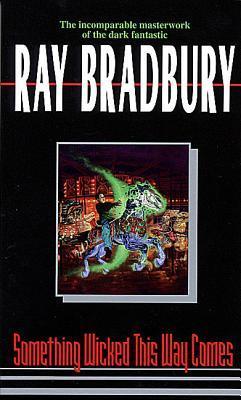
Ray Bradbury’s “Something Wicked This Way Comes,” published in 1962, is a hauntingly beautiful novel that blends elements of horror, fantasy, and coming-of-age themes. Set in the idyllic small town of Green Town, Illinois, the story explores the darker sides of human nature, fear, and the loss of innocence through the experiences of two young boys, Jim Nightshade and Will Halloway.
Plot Summary
The narrative kicks off in late October, a time when the boundary between the ordinary and the supernatural seems especially thin. The arrival of a mysterious carnival, Cooger & Dark’s Pandemonium Shadow Show, marks the beginning of a series of strange and sinister events. The carnival, run by the malevolent Mr. Dark and his partner Mr. Cooger, preys on the deepest fears and desires of the townspeople, offering them twisted versions of their dreams in exchange for their souls.
Jim Nightshade and Will Halloway, both thirteen years old but with contrasting personalities—Jim is adventurous and daring, while Will is cautious and reflective—find themselves drawn to the carnival. They soon discover its dark secrets: the carousel that can change a person’s age, the hall of mirrors that traps people in their own fears, and the freak show populated by those who have fallen victim to Mr. Dark’s machinations.
As the boys delve deeper into the mysteries of the carnival, they are joined by Will’s father, Charles Halloway, the town librarian. Charles, who struggles with his own fears of aging and inadequacy, becomes a central figure in the fight against Mr. Dark. Through a series of confrontations and revelations, the trio learns that the power of joy, laughter, and human connection is the key to defeating the evil that threatens their town.
Character Analysis
- Jim Nightshade: Jim’s dark hair and eyes symbolize his attraction to the unknown and the dangerous. His longing for adventure and his desire to grow up quickly make him vulnerable to the carnival’s temptations. Throughout the story, Jim’s internal struggle represents the universal conflict between the desire for independence and the need for safety.
- Will Halloway: Will, with his blonde hair and cautious demeanor, serves as a foil to Jim. He embodies innocence and the light of childhood. Will’s loyalty to Jim and his determination to save his friend underscore his inner strength and moral clarity.
- Charles Halloway: Charles is a complex character who grapples with feelings of regret and fear of aging. His journey from a man burdened by his past to a hero who uses his wisdom and love to combat evil is a central theme of the novel. Charles’s relationship with Will highlights the generational bond and the importance of facing one’s fears.
- Mr. Dark: The antagonist of the story, Mr. Dark, is a personification of evil and manipulation. His tattoos, which represent the souls he has captured, and his ability to exploit the weaknesses of others make him a terrifying figure. His defeat symbolizes the triumph of human spirit and resilience over darkness.
Themes
- The Duality of Human Nature: Bradbury explores the coexistence of light and dark within individuals. Jim and Will, though best friends, represent different aspects of human nature—recklessness and caution, curiosity and fear.
- The Fear of Aging and Death: Through Charles Halloway’s character, the novel delves into the anxiety surrounding aging and mortality. The carnival’s promise of eternal youth and the characters’ ultimate rejection of it underscore the value of accepting life’s natural progression.
- The Power of Innocence and Joy: The story suggests that innocence, laughter, and human connection are powerful tools against evil. The climax, where laughter weakens Mr. Dark, reinforces this idea.
- The Loss of Innocence: The boys’ journey symbolizes the inevitable loss of innocence that comes with growing up. Their experiences with the carnival teach them harsh truths about the world and themselves.
Style and Literary Devices
Bradbury’s lyrical prose, rich with metaphors and vivid imagery, creates a dreamlike quality that enhances the novel’s eerie atmosphere. His use of symbolism—such as the carousel representing the temptation to escape time—adds depth to the narrative. The frequent use of foreshadowing builds suspense, keeping readers engaged as they anticipate the unfolding horrors.
Conclusion
“Something Wicked This Way Comes” is a masterful blend of horror and coming-of-age narrative that delves into the complexities of human nature, the fears associated with growing up and aging, and the enduring power of friendship and love. Bradbury’s evocative writing and profound themes make this novel a timeless classic that continues to resonate with readers of all ages.
Discover more from The New Renaissance Mindset
Subscribe to get the latest posts sent to your email.
 The New Renaissance Mindset