
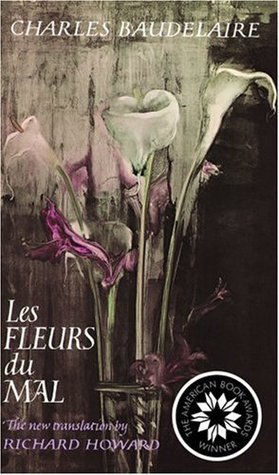
Les Fleurs du mal (The Flowers of Evil) is a groundbreaking collection of poems by the French poet Charles Baudelaire, first published in 1857. This seminal work is often credited with ushering in the era of modern poetry, bridging the gap between Romanticism and Symbolism, and influencing many later poets and writers. Baudelaire’s masterful use of language, innovative themes, and exploration of the darker aspects of human experience make this collection a cornerstone of world literature.
Summary
Les Fleurs du mal is divided into six sections: “Spleen et Idéal” (“Spleen and Ideal”), “Tableaux Parisiens” (“Parisian Scenes”), “Le Vin” (“Wine”), “Fleurs du mal” (“Flowers of Evil”), “Révolte” (“Revolt”), and “La Mort” (“Death”). Each section delves into different themes, but they are united by Baudelaire’s preoccupation with beauty and decay, the sacred and the profane, and the search for transcendence.
- Spleen et Idéal: This section juxtaposes the poet’s lofty aspirations (the Ideal) with his profound sense of melancholy and despair (Spleen). Poems like “Bénédiction” and “Élévation” reflect Baudelaire’s longing for spiritual and artistic purity, while “L’Albatros” and “Spleen” depict the poet’s suffering and sense of alienation.
- Tableaux Parisiens: These poems paint vivid pictures of Paris, capturing both its splendor and its sordidness. Baudelaire’s keen observation and deep ambivalence towards the city are evident in poems like “À une passante” and “Les Petites Vieilles.”
- Le Vin: Here, Baudelaire explores the theme of intoxication, not just with wine, but with art, love, and beauty. Poems like “Le Vin des chiffonniers” and “Le Vin de l’assassin” depict the poet’s complex relationship with escapism and the search for transcendence through altered states.
- Fleurs du mal: This section focuses on the inherent contradictions and dualities within human nature and the world. Poems such as “La Destruction” and “Une Charogne” delve into themes of moral corruption, decay, and the coexistence of beauty and horror.
- Révolte: Baudelaire expresses his rebellion against societal norms, religious dogma, and existential despair in this section. “Les Litanies de Satan” stands out as a provocative challenge to traditional religious beliefs and an embrace of the rebellious spirit.
- La Mort: The final section contemplates death as the ultimate escape from the torments of life. In poems like “La Mort des amants” and “Le Voyage,” Baudelaire envisions death as both a feared and a desired release from the trials of existence.
Themes and Analysis
Les Fleurs du mal is renowned for its exploration of complex and often controversial themes. Baudelaire’s work is infused with a sense of duality and contradiction, reflecting the tension between his desire for purity and his immersion in vice. His poetry grapples with themes of beauty and decay, the sacred and the profane, and the quest for transcendence amidst the squalor of everyday life.
One of the central themes in Baudelaire’s work is the concept of “Spleen,” a term he uses to describe a deep, pervasive melancholy and existential ennui. This feeling of Spleen is contrasted with the “Ideal,” a state of spiritual and artistic perfection that Baudelaire strives for but can never fully attain. This tension between Spleen and Ideal is a driving force in many of the poems, capturing the poet’s inner conflict and his profound sense of alienation.
Baudelaire’s depiction of the city of Paris is another key aspect of the collection. His poems offer a vivid and often unflinching portrayal of urban life, highlighting both its beauty and its squalor. Through his eyes, the city becomes a microcosm of human experience, embodying the dualities and contradictions that he explores throughout the collection.
Style and Form
Baudelaire’s innovative use of language and form is one of the hallmarks of Les Fleurs du mal. His poetry is characterized by its musicality, vivid imagery, and rich symbolism. He often employs traditional forms such as the sonnet, but infuses them with modern sensibilities and themes. Baudelaire’s masterful use of synesthesia, where he blends sensory experiences to create a heightened sense of perception, is particularly notable.
His influence on later poets and literary movements cannot be overstated. Baudelaire’s exploration of the darker aspects of human experience, his focus on the individual psyche, and his innovative use of language and imagery paved the way for the Symbolist and Decadent movements, and his impact can be seen in the works of poets such as Arthur Rimbaud, Paul Verlaine, and Stéphane Mallarmé.
Conclusion
Les Fleurs du mal remains a timeless and profound work that continues to resonate with readers today. Baudelaire’s unflinching examination of the human condition, his masterful use of language, and his exploration of the tensions between beauty and decay, the sacred and the profane, make this collection a cornerstone of modern literature. Through his poetry, Baudelaire challenges us to confront the darker aspects of our existence, while also inspiring us to seek out moments of transcendence and beauty amidst the chaos of life.
Discover more from The New Renaissance Mindset
Subscribe to get the latest posts sent to your email.
 The New Renaissance Mindset