
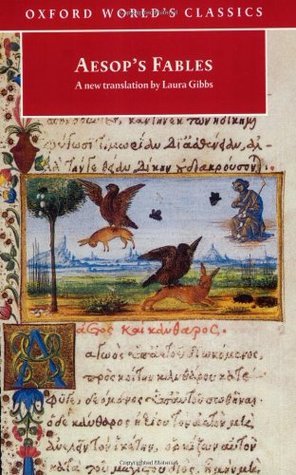
“Aesop’s Fables” is a collection of short stories attributed to Aesop, a storyteller believed to have lived in ancient Greece around the 6th century BCE. These fables have been passed down through generations and are known for their moral lessons, anthropomorphic animal characters, and succinct storytelling. Each fable encapsulates a moral or practical lesson, often concluding with a concise moral maxim.
Summary:
The fables in this collection vary widely in content and length but share a common structure: a brief narrative followed by a moral lesson. Here are summaries of a few notable fables:
- The Tortoise and the Hare: In this fable, the hare mocks the slow-moving tortoise and challenges him to a race. Confident in his speed, the hare takes a nap during the race, only to wake up and find that the tortoise has won. The moral: “Slow and steady wins the race.”
- The Fox and the Grapes: A hungry fox tries to reach some grapes hanging high on a vine but fails despite multiple attempts. Frustrated, he walks away, muttering that the grapes are probably sour anyway. The moral: “It’s easy to despise what you cannot have.”
- The Boy Who Cried Wolf: A shepherd boy repeatedly tricks the villagers into thinking a wolf is attacking his flock. When a wolf actually appears, the villagers ignore his cries, and the flock is destroyed. The moral: “Liars are not believed even when they speak the truth.”
- The Lion and the Mouse: A small mouse helps a lion by freeing him from a hunter’s net. Despite the lion’s initial skepticism about the mouse’s usefulness, he learns that even the smallest creatures can be of great help. The moral: “No act of kindness, no matter how small, is ever wasted.”
Themes and Analysis:
1. Moral Lessons: The most prominent feature of Aesop’s Fables is their moral teaching. Each fable is designed to impart a practical lesson about human behavior and ethics. The morals are often straightforward, promoting virtues such as honesty, kindness, and perseverance.
2. Anthropomorphism: Aesop uses animals with human traits to tell his stories. This anthropomorphism allows readers to see human follies and virtues reflected in the animal characters, making the lessons more engaging and relatable.
3. Simplicity and Brevity: The fables are known for their concise storytelling. Aesop’s ability to convey deep moral lessons through simple, short narratives is a testament to the enduring power of these stories.
4. Universality: Despite their ancient origins, the themes and lessons of Aesop’s Fables are universal and timeless. They address fundamental aspects of human nature and social behavior, making them relevant across cultures and eras.
Literary Significance:
Aesop’s Fables have had a profound impact on literature and culture. They have been translated into numerous languages and adapted into various forms of media, including literature, theater, and animation. The fables have influenced writers and storytellers throughout history, and many of the phrases and lessons have entered common parlance.
Conclusion:
“Aesop’s Fables” is a treasure trove of wisdom and storytelling. The fables’ enduring appeal lies in their ability to convey important life lessons through engaging and memorable narratives. Aesop’s skillful use of anthropomorphism, simplicity, and universality ensures that these stories remain relevant and beloved by readers of all ages. Whether read for entertainment or education, Aesop’s Fables continue to offer valuable insights into human nature and morality.
Discover more from The New Renaissance Mindset
Subscribe to get the latest posts sent to your email.
 The New Renaissance Mindset
I have always enjoyed those fables. They are the best
LikeLiked by 1 person