
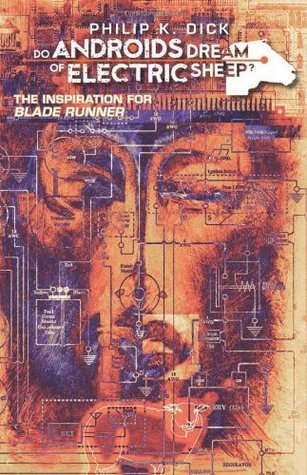
“Do Androids Dream of Electric Sheep?” is a seminal science fiction novel by Philip K. Dick, first published in 1968. Set in a post-apocalyptic future, the novel explores themes of humanity, identity, and morality through the lens of a bounty hunter tasked with “retiring” rogue androids. This work has had a profound impact on the science fiction genre and has been adapted into the iconic film “Blade Runner.”
Plot Summary
The novel is set in a dystopian future where Earth has been ravaged by nuclear war, leading to a mass exodus to off-world colonies. The remaining human population on Earth lives in desolation, with the natural environment severely damaged. Animals are rare and valuable, often replaced by lifelike electric substitutes.
The protagonist, Rick Deckard, is a bounty hunter employed by the San Francisco Police Department. His job is to “retire” (destroy) androids that escape from the colonies and attempt to live on Earth. These androids, known as “andys,” are virtually indistinguishable from humans but lack empathy.
Deckard’s assignment is to track down and retire a group of Nexus-6 androids, the most advanced and dangerous models yet. As he pursues his targets, he encounters Rachael Rosen, an advanced Nexus-6 android who challenges his perceptions of androids and humanity. Throughout his mission, Deckard grapples with ethical dilemmas, questioning what it means to be human and the morality of his work.
Themes and Analysis
Humanity and Identity
A central theme in the novel is the exploration of what it means to be human. The androids’ lack of empathy is the primary characteristic distinguishing them from humans. However, as Deckard interacts with the androids, he begins to see shades of gray in this distinction. Rachael Rosen, in particular, complicates his understanding of androids as mere machines. This theme prompts readers to reflect on the nature of consciousness and the essence of humanity.
Empathy and Morality
Empathy is a key element in defining humanity within the novel. The society depicted in the book places a high value on empathy, exemplified by the use of empathy boxes and the reverence for animals, whether real or electric. Deckard’s journey forces him to confront his own capacity for empathy, especially as he begins to feel conflicted about “retiring” androids who exhibit human-like qualities.
Technology and Dehumanization
The novel also addresses the dehumanizing effects of technology. The androids represent technological advancements that blur the lines between humans and machines. The pervasive presence of artificial animals and the emphasis on owning real animals as status symbols further highlight the theme of dehumanization. Dick raises questions about the impact of technology on human relationships and society.
Characters
- Rick Deckard: The protagonist, a bounty hunter struggling with the ethical implications of his job and his understanding of what it means to be human.
- Rachael Rosen: A Nexus-6 android who challenges Deckard’s perceptions and becomes a pivotal figure in his moral journey.
- Iran Deckard: Rick’s wife, who grapples with depression and represents the emotional toll of living in a desolate world.
- John Isidore: A “special” (genetically damaged human) who empathizes with the androids and symbolizes the blurred line between human and machine.
Writing Style
Philip K. Dick’s writing is characterized by its philosophical depth and complex, thought-provoking narratives. His style in “Do Androids Dream of Electric Sheep?” is both accessible and intellectually stimulating, blending science fiction elements with profound existential questions. The novel’s pacing keeps readers engaged while encouraging them to ponder the deeper implications of the story.
Conclusion
“Do Androids Dream of Electric Sheep?” is a landmark work in science fiction, offering a rich exploration of humanity, empathy, and the consequences of technological advancement. Philip K. Dick’s novel remains relevant today, prompting readers to consider the ethical and moral dimensions of our relationship with technology. It is a must-read for anyone interested in science fiction and philosophical literature.
Discover more from The New Renaissance Mindset
Subscribe to get the latest posts sent to your email.
 The New Renaissance Mindset