
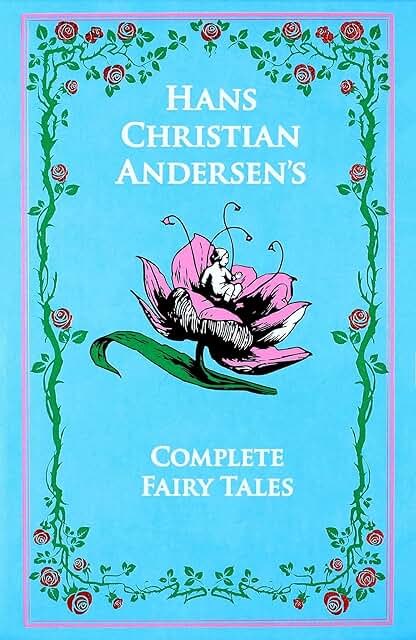
Hans Christian Andersen’s The Complete Fairy Tales is an extraordinary collection that has enchanted readers across generations, transcending cultural boundaries, and establishing Andersen as one of the most influential figures in world literature. This compilation, which includes 156 tales, ranges from beloved classics like The Little Mermaid, The Ugly Duckling, and The Snow Queen, to lesser-known, but equally poignant, stories such as The Talisman and The Shadow. What makes this collection enduring and valuable is not merely its place in the canon of children’s literature but the profound, often melancholic undertones that speak to universal human experiences.
Myth, Morality, and the Marginalized
A cursory glance at Andersen’s tales may suggest they are whimsical fables meant solely to entertain. However, beneath the veneer of fairy tale fantasy lies a deeply reflective and often unsettling exploration of societal values, personal suffering, and existential uncertainty. Unlike the sanitized versions found in modern retellings, Andersen’s originals are unafraid to confront death, sacrifice, and inequality—frequently challenging the conventions of ‘happily ever after’.
For instance, The Little Mermaid—perhaps his most famous creation—epitomizes the anguish of unrequited love and the quest for identity, themes that are amplified through the protagonist’s ultimate demise. Far from the Disney interpretation, Andersen’s tale leaves readers with a more complex, bittersweet moral: the importance of striving for something greater, even when it leads to pain or loss.
The delicate interplay between Christian values and pagan mythologies infuses many of Andersen’s tales. In The Snow Queen, we see a powerful contrast between cold logic, represented by the icy queen herself, and the warmth of human connection, embodied by Gerda’s sacrificial love. This dynamic parallels Andersen’s often critical examination of society’s obsession with rationality and material success at the expense of emotional and spiritual fulfillment.
The Solitary Outsider
What sets Andersen’s work apart is his empathy for the marginalized, the lonely, and the misunderstood. His protagonists often exist on the periphery, isolated by physical deformity (The Ugly Duckling), emotional trauma (The Little Match Girl), or existential displacement (The Shadow). This focus is not coincidental. Andersen’s own biography reveals a man who grappled with personal rejection and isolation, mirrored in his complex, sometimes tragic, characters.
In The Ugly Duckling, for example, the metaphor of the rejected bird transforms into an existential exploration of identity and self-worth. The narrative’s cathartic resolution, where the ugly duckling discovers his swan nature, is not simply a celebration of physical transformation but a commentary on the deep human need for belonging and self-acceptance. Andersen’s sympathetic treatment of those on society’s fringes reflects his sensitivity to the harsh realities of social exclusion—a theme that resonates even today.
Language and Symbolism
Andersen’s literary prowess lies not only in the content of his stories but also in the unique simplicity of his language, which belies the depth of meaning contained within. He writes with a certain clarity and purity, using an almost conversational tone that bridges the gap between adult sophistication and childhood innocence. It is this accessibility, combined with layers of symbolism, that allows readers of all ages to engage with his tales on different levels.
One of Andersen’s trademarks is his use of anthropomorphism, imbuing objects and animals with emotional complexity. In The Steadfast Tin Soldier, a one-legged toy soldier becomes a tragic hero, whose unyielding devotion to a paper ballerina reflects both the futility and beauty of unreciprocated love. Andersen transforms these inanimate objects into vessels for human emotion, creating allegories for resilience, sacrifice, and doomed passion.
Conclusion
Ultimately, The Complete Fairy Tales is more than a mere anthology of children’s stories; it is a mirror held up to the human soul, reflecting our deepest fears, desires, and moral dilemmas. Andersen’s tales speak to both the fragility and strength of the human condition, blending magical realism with existential inquiry. They challenge readers to confront the complexities of life, where beauty often coexists with sorrow, and hope can be found even in the darkest corners.
For scholars and readers alike, Andersen’s work offers a timeless study in contrasts—joy and despair, beauty and grotesqueness, simplicity and profundity. His fairy tales are not easily categorized; they move beyond the limitations of genre to become enduring narratives about the essence of what it means to be human. The Complete Fairy Tales is an essential read, a treasure trove of wisdom and wonder that continues to captivate, challenge, and comfort its readers.
Discover more from The New Renaissance Mindset
Subscribe to get the latest posts sent to your email.
 The New Renaissance Mindset