
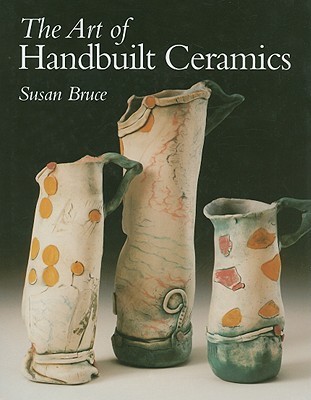
Susan Bruce’s The Art of Handbuilt Ceramics presents a richly detailed exploration of the timeless craft of hand-building ceramic art, blending technical precision with a celebration of artistic individuality. Through a careful and considered approach, Bruce offers not just a guide to the techniques and materials needed for hand-built ceramics, but a thoughtful meditation on the philosophy of craft, highlighting the intimate relationship between artist, medium, and form.
At the heart of the book lies Bruce’s deep reverence for the handbuilding process, which she positions as a tactile, almost meditative experience. This emphasis on the sensory engagement of touch, which Bruce describes as “the primordial dialogue between the artist and clay,” distinguishes her approach from other texts on ceramics. She advocates for a slow, deliberate creation process, one that encourages artists to become attuned to the material, to listen to the clay as much as they shape it. This philosophy aligns with the Japanese concept of shibui—the beauty of simplicity, imperfection, and authenticity—echoing an ancient respect for craft traditions, though Bruce’s tone remains contemporary and inviting.
Structurally, Bruce guides the reader through the three primary techniques of handbuilding—pinching, coiling, and slab building—with the attentiveness of an instructor who respects both novice and experienced artisans. Each chapter offers meticulously illustrated steps, showing how to coax form from raw material. The instructional clarity of these sections is commendable, as Bruce avoids overwhelming technical jargon, making it accessible without sacrificing depth. In this regard, the book serves not only as a manual for technique but also as an entryway into a broader artistic practice.
What elevates The Art of Handbuilt Ceramics beyond a simple craft guide is Bruce’s profound exploration of the artistic potential of handbuilt forms. Interspersed throughout the book are images of works by various contemporary ceramicists, showcasing a diversity of styles and approaches. Bruce uses these as examples to discuss the importance of embracing personal creativity and avoiding the limitations of perfectionism. She argues that ceramics, with its natural imperfections, embodies a wabi-sabi aesthetic, where flaws are seen not as mistakes but as integral aspects of beauty.
Bruce’s voice as an author and instructor shines most brightly in the moments where she discusses her own creative practice. Her personal anecdotes of failures, experiments, and eventual successes lend the book an intimate quality, reminding the reader that artistic growth is a continual process of learning and unlearning. She frequently encourages readers to embrace accidents, as these often lead to the most unexpected and inspiring results.
However, while the book’s strength lies in its artistic insights and philosophical reflections, some readers may find its theoretical approach a bit overwhelming, particularly those who seek more practical, step-by-step tutorials. In contrast, Bruce often meanders into abstract musings on the nature of artistry, which—though valuable—might deter those expecting a purely technical guide. This tension between instruction and philosophical exploration gives the book an intellectual weight but may require some readers to approach it with patience.
In conclusion, The Art of Handbuilt Ceramics is not just a handbook for ceramic artists but a deeply considered work that straddles the line between craft and art theory. Susan Bruce succeeds in presenting handbuilding as an art form rooted in tradition yet filled with contemporary possibilities. The book calls to those who see ceramics not merely as an art of objects but as a dynamic conversation between the maker and the material. For artists, whether novice or experienced, The Art of Handbuilt Ceramics provides a wealth of knowledge, inspiration, and insight into the transformative potential of working with clay.
Discover more from The New Renaissance Mindset
Subscribe to get the latest posts sent to your email.
 The New Renaissance Mindset