
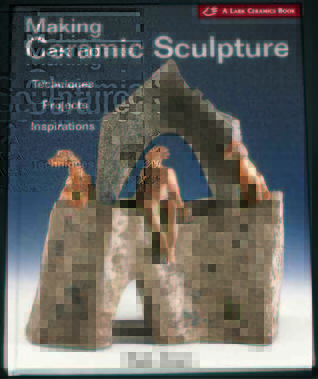
In Making Ceramic Sculpture: Techniques, Projects, Inspirations, Raul Acero weaves together the technical precision of a master ceramist with the boundless creativity of a sculptor, offering readers not just a guide, but a profound exploration of the art form itself. This book moves beyond the standard how-to guide, elevating it into a reflective journey on the potential of clay as a vehicle for expression, and is an essential text for both novice and advanced ceramists alike.
At its core, the book is a celebration of the marriage between materiality and technique, with Acero presenting clay as a dynamic medium that responds to the artist’s vision as well as the natural forces that shape it. What stands out from the beginning is his clear, step-by-step breakdown of foundational techniques, from hand-building methods to the complexities of mold-making and surface treatments. He offers a meticulous focus on tools and processes, ensuring that even readers new to ceramic sculpture can easily grasp and apply the methods he describes. His attention to detail in explaining the properties of clay, various types of glazes, and firing techniques lends a scientific rigor to the text, empowering readers to understand the full scope of working with clay in sculptural form.
But Acero’s book transcends the purely instructional. Interspersed with detailed explanations are projects that serve not only as exercises in technique but also as philosophical explorations. Each project is imbued with Acero’s vision of how an artist should approach form and space, encouraging readers to reflect deeply on their own artistic intentions. Whether it’s creating organic, free-flowing sculptures or structured, geometric forms, Acero compels the artist to think about their relationship to the medium, challenging them to push the boundaries of what can be achieved in ceramic sculpture.
One of the book’s greatest strengths lies in its rich visual content. The high-quality photography showcases works in progress and finished pieces from a diverse range of ceramic artists, offering inspiration and an invaluable point of reference for readers. Acero’s selection of featured artists is wide-ranging, from traditionalists to those at the forefront of contemporary ceramics, and this diversity allows for a broader understanding of the infinite possibilities within the medium.
Where Acero’s text truly shines is in its exploration of the emotional and philosophical dimensions of ceramic sculpture. He speaks not only to the hands but also to the heart, encouraging artists to embrace the unpredictability and imperfection inherent in working with clay. There is an implicit nod to the Wabi-Sabi aesthetic throughout, where the beauty of flaws and the passage of time are seen as integral to the artistic process. This perspective elevates the book from being a technical manual to a thoughtful meditation on the nature of creativity and materiality.
Furthermore, Acero’s ability to inspire is palpable in the “Inspirations” section, where he traces the evolution of ceramic sculpture through history, from ancient civilizations to modern abstract expressionists. He engages with the legacies of artists like Pablo Picasso and Isamu Noguchi, drawing parallels between their groundbreaking approaches and the potential for contemporary ceramists to innovate within the tradition.
In sum, Making Ceramic Sculpture is a text of remarkable breadth and depth, masterfully balancing the technical with the inspirational. It provides a holistic understanding of ceramic sculpture, encouraging both practical skill and artistic exploration. For anyone serious about the craft, Paul Acero’s book is not merely a guide—it’s a transformative experience, a call to engage deeply with clay as a medium that holds within it the possibility of endless creative expression.
Acero’s voice in the world of ceramics is one of quiet authority, and this book reflects a life devoted to the pursuit of artistic excellence. It is a must-read for those who wish to expand their technical repertoire while simultaneously delving into the conceptual richness of ceramic sculpture.
Discover more from The New Renaissance Mindset
Subscribe to get the latest posts sent to your email.
 The New Renaissance Mindset