
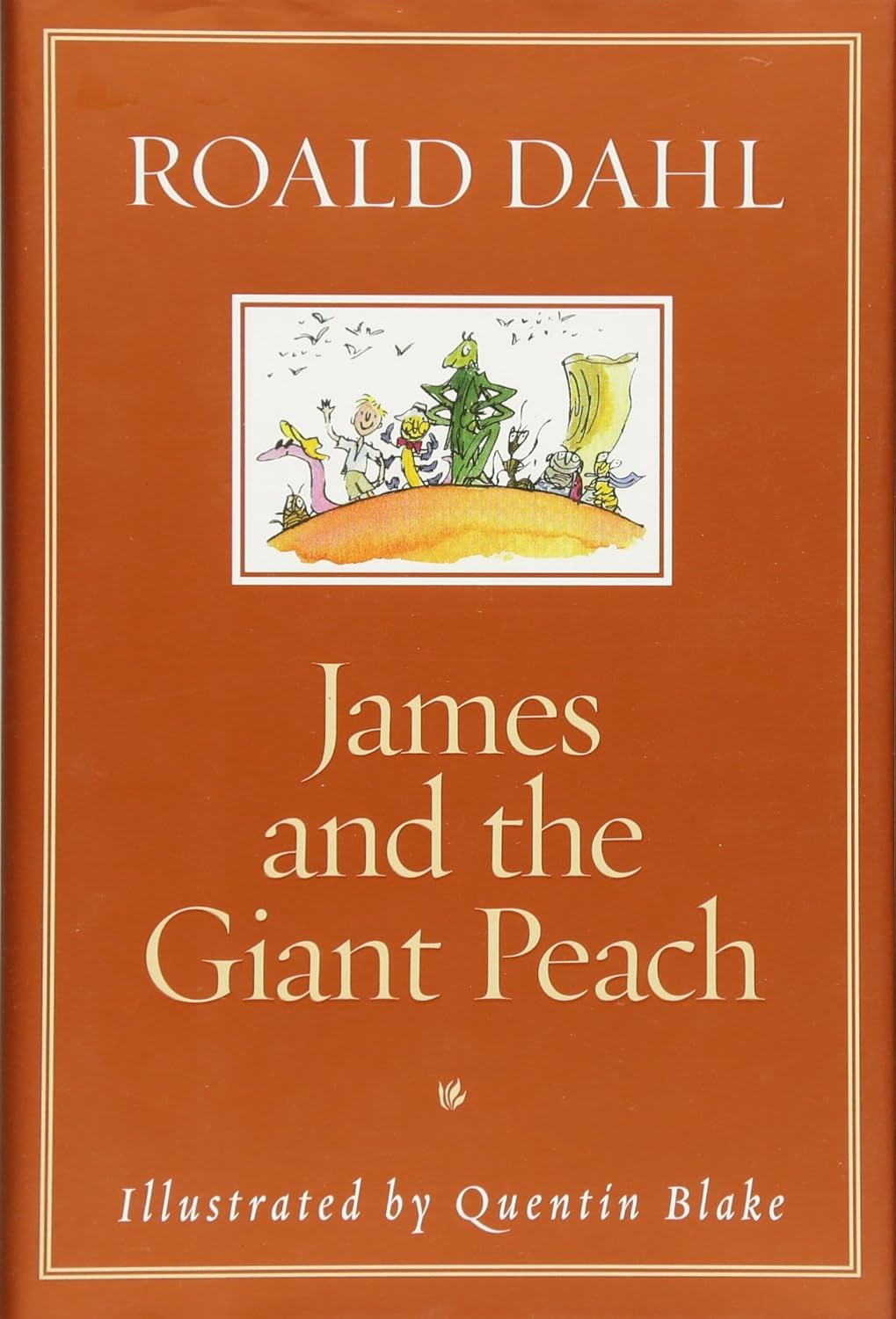
Roald Dahl’s James and the Giant Peach is a whimsical masterpiece that deftly combines the macabre with the magical, revealing the author’s unparalleled ability to navigate the thin line between childlike wonder and profound existential themes. Published in 1961, this novel is often hailed as a classic of children’s literature, yet it offers much more than mere entertainment. Beneath its surface lies a complex allegory of resilience, transformation, and the universal yearning for belonging.
A Tale of Transformation
The story begins with James Henry Trotter, a young boy rendered orphaned by a freak accident involving an escaped rhinoceros. This surreal yet chilling premise sets the tone for Dahl’s dark humor, a hallmark of his work. James’s subsequent life under the tyranny of his grotesque aunts, Spiker and Sponge, paints a bleak portrait of childhood despair. These characters are caricatures of cruelty, embodying unchecked authority and greed, reminiscent of Dickensian antagonists. Their exaggerated malice serves as a foil to James’s innate goodness and burgeoning creativity.
The transformative moment in the narrative—the magical growth of the peach—symbolizes James’s awakening to his own agency. The peach, both a literal and metaphorical vehicle, carries James away from his oppressive existence into a realm of possibility. This metamorphosis aligns with classic archetypal journeys, echoing the myth of Persephone or the Biblical Exodus. The peach becomes a symbol of salvation and rebirth, mirroring James’s internal journey toward self-discovery.
A Motley Crew of Companions
One of the most delightful aspects of James and the Giant Peach is the ensemble of anthropomorphic insect characters who accompany James on his journey. The Centipede, Ladybug, Spider, Earthworm, Grasshopper, and Glowworm are not mere companions but allegorical figures representing diverse facets of human nature. Their interactions with James provide rich ground for exploring themes of community and interdependence. Each character’s quirks and flaws contribute to the group’s success, suggesting that unity in diversity is a strength.
Notably, Dahl eschews sentimentality in his portrayal of these characters. The Centipede’s brash humor, the Earthworm’s pessimism, and the Ladybug’s maternal warmth create a dynamic microcosm of society. Through their dialogue and cooperation, the novel subtly teaches the value of empathy and teamwork without resorting to didacticism.
Themes of Freedom and Belonging
At its heart, James and the Giant Peach is a meditation on freedom and the search for belonging. The journey aboard the peach transcends physical travel; it is a psychological voyage from isolation to acceptance. The oppressive aunts represent a stifling world devoid of imagination, while the peach offers James not only physical liberation but also an emotional sanctuary. The novel culminates in James finding a home in the heart of New York City, a setting that underscores his transition from invisibility to recognition and community.
A Subtle Social Commentary
While James and the Giant Peach is ostensibly a children’s book, Dahl’s narrative is laced with subtle critiques of societal norms. The grotesque portrayal of Spiker and Sponge as embodiments of unchecked consumerism and superficiality suggests a deeper commentary on societal greed and neglect. Moreover, James’s triumph over these oppressive figures underscores the triumph of creativity and kindness over cruelty and materialism.
A Timeless Allegory
Roald Dahl’s James and the Giant Peach is far more than a whimsical adventure; it is a sophisticated allegory of transformation, resilience, and the human need for connection. With his distinctive blend of humor, imagination, and pathos, Dahl crafts a narrative that resonates across generations. The story invites readers, young and old, to embark on a journey of self-discovery, reminding us of the power of hope and the boundless possibilities of imagination. James and the Giant Peach remains a timeless testament to the enduring magic of storytelling.
Discover more from The New Renaissance Mindset
Subscribe to get the latest posts sent to your email.
 The New Renaissance Mindset