
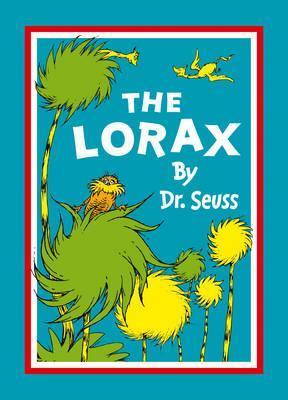
Dr. Seuss’s The Lorax is a masterstroke of children’s literature that transcends its ostensibly simple narrative to deliver a profound and haunting ecological allegory. Published in 1971, at the height of burgeoning environmental awareness in the United States, the book captures the zeitgeist of its era while remaining eerily prescient for contemporary audiences. With its playful yet cautionary tone, The Lorax seamlessly weaves together literary artistry, moral urgency, and an evocative critique of unchecked capitalism.
At the heart of the story lies the confrontation between the Once-ler, a faceless industrialist whose greed propels the narrative, and the titular Lorax, a spirited defender of the natural world. Through the rhythmic cadence of Seuss’s verse and his trademark whimsy, the tale explores themes of exploitation, accountability, and redemption. Yet beneath the surface lies a stark indictment of humanity’s tendency to prioritize profit over preservation. The Once-ler, though ostensibly relatable in his entrepreneurial optimism, becomes an archetype of shortsighted ambition—a poignant warning against the seductive allure of unbridled industrial progress.
Dr. Seuss employs his iconic art style to underscore the narrative’s environmental message. The vibrant Truffula Trees, with their fantastical tufted tops, symbolize nature’s fragile beauty, while their gradual deforestation creates a visceral sense of loss. The progression from a lush, colorful paradise to a barren, gray wasteland mirrors the ecological degradation wrought by industrial greed. The visual deterioration is further accentuated by Seuss’s skillful use of contrast, as the cheerful hues of the early illustrations give way to somber tones that evoke desolation.
What makes The Lorax particularly compelling is its refusal to provide easy answers. The Once-ler’s remorse, though palpable, does not erase the destruction he has wrought. Instead, the book concludes with an ambivalent yet hopeful gesture—a single Truffula seed, entrusted to a nameless child, and the haunting admonition: “Unless someone like you cares a whole awful lot, nothing is going to get better. It’s not.” This ambiguous ending is a call to action that shifts the responsibility of ecological stewardship onto the reader, making The Lorax not merely a story, but a moral imperative.
From a literary perspective, The Lorax achieves a remarkable synthesis of form and content. Seuss’s use of nonsensical language, such as “Swomee-Swans” and “Bar-ba-loots,” creates a playful tone that invites young readers into the narrative while subtly reflecting the incomprehensible loss of biodiversity in the face of environmental destruction. The rhyming couplets, with their buoyant rhythm, contrast sharply with the somber subject matter, creating a dissonance that deepens the reader’s emotional engagement.
Critics have sometimes questioned the book’s lack of nuance, particularly its dichotomous portrayal of the Once-ler and the Lorax. However, this binary opposition serves a didactic purpose, stripping away moral gray areas to make the ecological message accessible to children while provoking introspection in adult readers. It is this dual appeal—to both innocence and experience—that elevates The Lorax to the realm of enduring literature.
In the final analysis, The Lorax is not merely a children’s book; it is a timeless manifesto. Its deceptively simple narrative belies a complexity that invites readers of all ages to grapple with questions of moral responsibility, collective action, and the consequences of human avarice. As we face mounting environmental crises in the 21st century, Dr. Seuss’s fable remains as urgent and resonant as ever—a clarion call to preserve the delicate balance of our world before it is irrevocably lost.
Discover more from The New Renaissance Mindset
Subscribe to get the latest posts sent to your email.
 The New Renaissance Mindset