
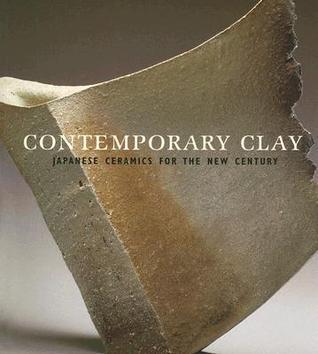
Joe Earle’s Contemporary Clay: Japanese Ceramics for the New Century offers a masterful exploration of Japanese ceramic art, presenting a profound dialogue between tradition and innovation in a form that is both scholarly and visually stunning. Earle, a preeminent curator and authority on Japanese art, navigates the complex terrain of contemporary Japanese ceramics with a nuanced appreciation for its historical depth and its daring reinvention in the modern era.
At its heart, the book grapples with the tension between preservation and transformation, a dynamic that defines Japanese ceramic practice today. Earle showcases over 100 works by leading artists, grouped not by technical processes but thematically: vessels, sculptures, and installations. This structure highlights the fluidity of contemporary ceramic art, where traditional forms like the tea bowl sit comfortably alongside avant-garde installations, often defying functional purpose altogether. Through this curation, Earle subtly challenges the reader to reconsider preconceived notions about ceramics as a medium, emphasizing its versatility as both art and craft.
Earle’s text is erudite yet accessible, weaving historical context into the narrative without overwhelming the contemporary focus. He elucidates the enduring influence of ancient kilns like Shino, Oribe, and Bizen, while simultaneously celebrating the audacity of modern ceramicists who push these traditions to their conceptual limits. For instance, the works of Fukami Sueharu, with their sharp, minimalist elegance, are juxtaposed against the organic, almost primal creations of Kaneko Jun, embodying the spectrum of aesthetics and philosophies that contemporary Japanese ceramics encompass.
What distinguishes Earle’s approach is his sensitivity to the spiritual and cultural dimensions of the craft. He draws attention to how many ceramicists, even the most experimental, remain rooted in the Japanese ethos of wabi-sabi—an appreciation for imperfection and transience. This sensibility resonates powerfully in works like those of Matsui Kōsei, whose intricate, mandala-like designs reflect a meditative reverence for form and process. Earle’s commentary here is particularly incisive, connecting the viewer not just to the materiality of the clay but to the philosophical underpinnings that animate it.
Visually, the book is a triumph. Lavish photographs by renowned photographers capture the tactile essence of the ceramics, allowing readers to almost feel the textures, from the smooth translucence of celadon glazes to the rugged, ash-scarred surfaces of wood-fired pieces. Each photograph is accompanied by detailed captions, offering insights into the artist’s techniques and intentions, further deepening the reader’s understanding.
However, Earle’s work is not without critique. While his thematic organization is compelling, it occasionally sacrifices a more in-depth exploration of individual artists and their trajectories. One might wish for more biographical context or a deeper dive into the socio-political influences shaping these contemporary works, particularly given the globalized art market’s impact on Japanese ceramics. Furthermore, Earle’s focus on established artists leaves less room for emerging voices, which might have provided a fuller picture of the evolving field.
Despite these minor shortcomings, Contemporary Clay: Japanese Ceramics for the New Century is an essential contribution to the study of contemporary ceramics. Earle’s ability to balance rigorous scholarship with an appreciation for the sensual and spiritual qualities of the art form makes this book not only a valuable resource for scholars but also an inspiring journey for artists and enthusiasts alike. It stands as a testament to the enduring vitality of Japanese ceramics, a medium that continues to shape and be shaped by the cultural and artistic currents of the new century.
In sum, Joe Earle’s book is both an homage to the rich heritage of Japanese ceramics and a celebration of its bold, boundary-pushing future. It invites readers to linger, to reflect, and, above all, to appreciate the infinite possibilities of clay in the hands of a master craftsman.
Discover more from The New Renaissance Mindset
Subscribe to get the latest posts sent to your email.
 The New Renaissance Mindset