
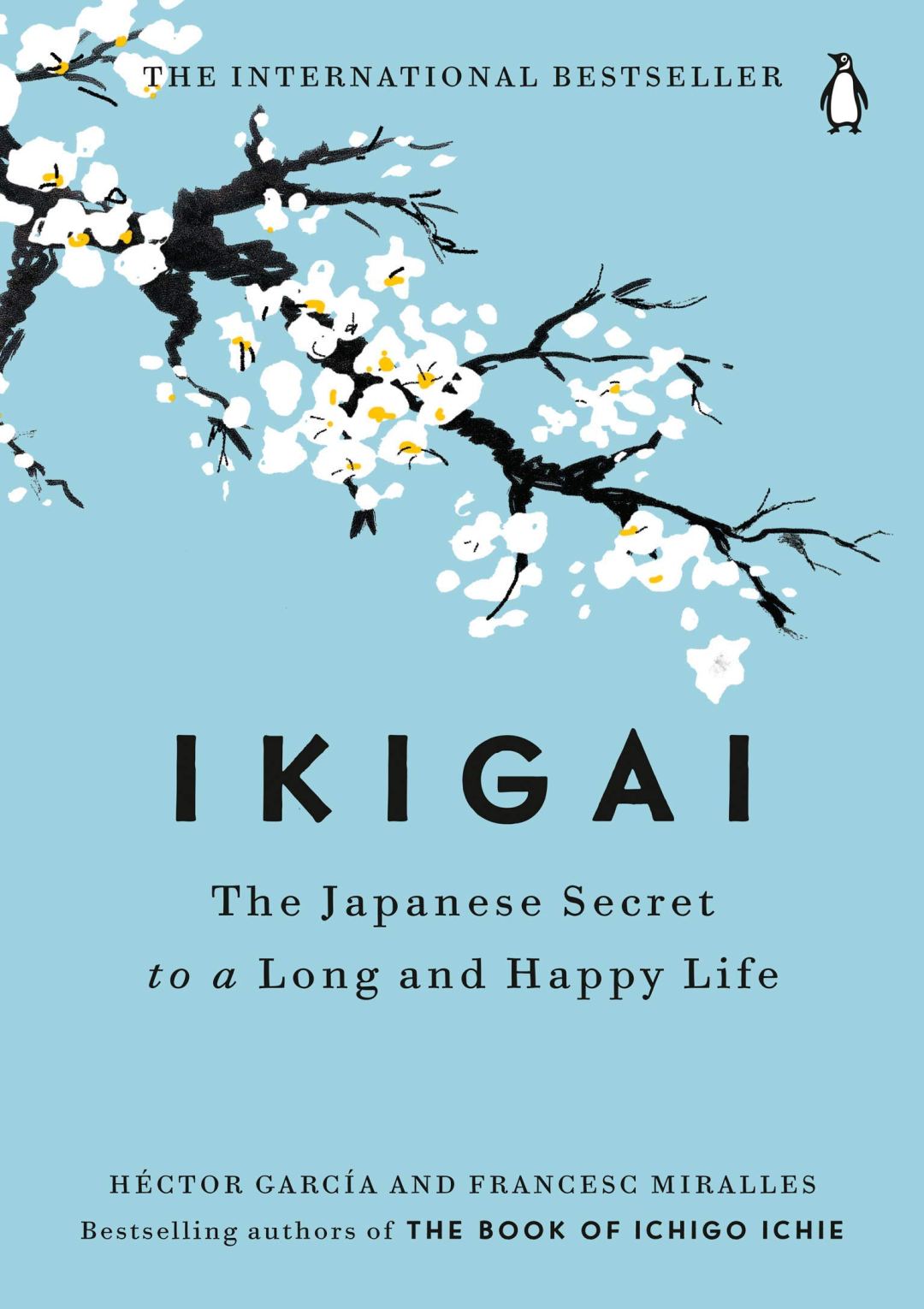
From its evocative title—rooted in the Japanese term 生き甲斐 (ikigai), roughly “reason for being”—Ikigai: The Japanese Secret of Long and Happy Life sets out not merely to instruct but to invite readers into a subtle, culturally textured philosophy of everyday flourishing. García and Miralles, respectively a software engineer who settled in Japan and a Spanish writer, blend personal narrative, interviews with Okinawan centenarians, and selective forays into evolutionary psychology to illuminate how small habits, community ties, and a sense of purpose coalesce into a life of sustained well-being.
Framing and Method
The text’s opening chapters read like ethnographic sketches: mornings in the lush environs of Ogimi Village, communal radio exercises before dawn, and the ritualized meals of tofu and seaweed that punctuate Okinawan days. García’s observational prose—as translated and shaped by Miralles—strikes a balance between journalistic detachment and affectionate immersion. Rather than offering an exhaustive anthropological monograph, the authors selectively foreground practices that resonate with Western wellness trends (mindfulness, minimalism, and “flow”), framing ikigai as a cross-cultural bridge to longevity.
Language and Tone
Stylistically, Ikigai is haltingly poetic, its Japanese terms dropped into English sentences in a way that feels more mnemonic than etymological. “Shinrin-yoku,” “hara hachi bu,” and “moai” enter the text like incantations of holistic health. While this sprinkling of foreign terms lends authenticity, it occasionally fragments the narrative flow—readers unacquainted with Japanese may find the glossary-like asides interruptive. Yet this very disjunction mirrors the book’s central tension: translating an embodied tradition into digestible maxim.
Themes of Purpose and Community
At the heart of Ikigai lies a dialectic between individual purpose and communal belonging. The portrait of Okinawan moai—self-organized circles of lifelong friends who support each other financially, emotionally, and spiritually—echoes Émile Durkheim’s notion of “mechanical solidarity.” García and Miralles suggest that such networks buffer stress and immunologically prime the body against chronic inflammation, drawing on contemporary biology. This marriage of social theory and popular science animates the text but can verge on reductionism: does the presence of close friends truly explain the many variables—genetics, pollution, socioeconomic factors—behind Okinawa’s Blue Zone status?
Critique and Contextualization
Viewed through a postcolonial lens, Ikigai occasionally flattens Japan into an idyllic Other, a repository of ancient wisdom awaiting Western rediscovery. The authors do gesture toward the rapid modernization and youth emigration that threaten these traditions, but the analysis remains superficial. A more rigorous account might juxtapose Okinawan practices with mainland Japan’s own struggles—overwork (karōshi), social isolation (hikikomori), and a national healthcare system strained by demographics. By concentrating almost exclusively on one corner of the archipelago, the book risks perpetuating romantic stereotypes of Japanese gentle longevity.
Evaluation
Nevertheless, Ikigai: The Japanese Secret of Long and Happy Life succeeds as an accessible introduction to a joyful approach to living. Its greatest strength is in humanizing longevity research: the smiling faces of centenarians become compelling testaments to the interplay of habit, purpose, and community. While scholars may critique its methodological leaps—from anecdote to universal prescription—the book’s resonance lies in its invitation: to pause, to connect, and to discover one’s own “reason for being.” In an age of self-help hyperbole, García and Miralles offer instead a modest blueprint, one that urges readers toward small, sustainable acts of care—toward their own ikigai.
Discover more from The New Renaissance Mindset
Subscribe to get the latest posts sent to your email.
 The New Renaissance Mindset