
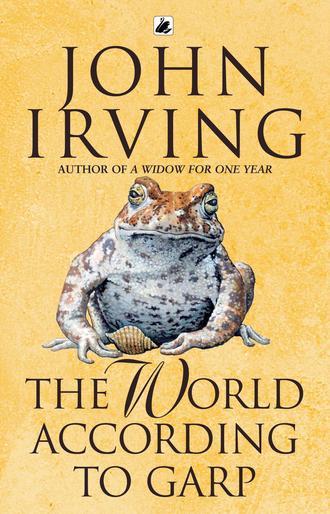
John Irving’s The World According to Garp (1978) is a bracing mixture of bawdy humour, tragic accident, and fierce moral inquiry, rendered in prose that is at once intimate and theatrically grand. From its very first sentence—“My mother’s name was Jenny Fields.”—Irving signals that this is no ordinary coming‐of‐age tale, but rather a sprawling meditation on the paradoxes of love, the violence of the world, and the ways in which our stories shape and betray us.
Narrative Architecture and Voice
Irving’s narrative unfolds in a deceptively straightforward third‐person register that nonetheless bears the unmistakable imprint of Garp himself: wry, inquisitive, and prone to sudden emotional eruption. The novel’s episodic structure—tracking Garp from his unorthodox conception, through childhood under the guardianship of his fiercely independent mother, to his stardom as a novelist, and finally to his role as a husband and father—echoes the picaresque tradition. Yet Irving subverts picaresque frivolity with recurring moments of grotesque violence (the harrowing football injury, the rape and murder of Roberta Muldoon, the school massacre) that insist on the real stakes of human vulnerability.
Themes of Creation and Fate
At its core, Garp grapples with the tension between creative impulse and the cruelty of chance. Jenny Fields, a nurse who rejects romantic entanglements in favor of a radical autonomy, decides to bear a child on her own terms: a conscious author of her own story. Garp, born of this experiment, inherits both his mother’s literary ambition and her stubborn sense of self‐direction. Yet no amount of narrative control can inoculate him or his family against the arbitrary horrors that befall them. Irving seems to ask: can art—or even deliberate living—truly mitigate the violence of the external world?
Humor, Tragedy, and Moral Inquiry
One of Irving’s great gifts is his tonal dexterity. He deploys absurdist comedy (the bisexual wrestling coach, Garp’s compulsive writing about untimely deaths) alongside scenes of wrenching pathos. This oscillation refuses sentimental closure: laughter and tears become two sides of the same moral coin. Garp’s compulsive cataloging of fatal accidents in his fictions is both a coping mechanism and a form of metaphysical inquiry—an ironic plea for order in a universe determined to randomize existence.
Gender, Sexuality, and the Body
Irving’s portrayal of gender and sexuality is unusually empathetic for its era. Roberta Muldoon, a transgender former football star, emerges not as a mere plot device but as a fully realized, dignified character whose personal courage and kindness challenge both Garp’s assumptions and ours. Jenny’s maternal feminism—her insistence that a woman’s body is hers alone—resonates through Garp’s own ambivalent relationship to masculinity, violence, and creative power.
A Story of Stories
The World According to Garp is, ultimately, a novel about storytelling itself. Garp’s life becomes a circular narrative: he writes of mortal peril, only to confront it in flesh and blood. Irving invites readers to reflect on their own narrative desires—our hunger for coherence, our dread of randomness, and our persistent hope that, in the end, some story will make sense of life’s chaos. In combining robust humanity, dark humour, and formal ambition, Irving crafts a work that remains both of its time and timeless: a testament to fiction’s capacity to reckon with the world, even when that world seems determined to defy understanding.
Discover more from The New Renaissance Mindset
Subscribe to get the latest posts sent to your email.
 The New Renaissance Mindset