
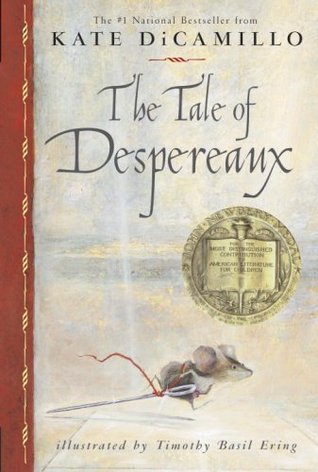
Kate DiCamillo’s The Tale of Despereaux is a masterfully woven tapestry of light and shadow, a timeless fable that unites the universal longing for heroism with the harsh realities of a fractured world. It is a work that defies the simplicity of its premise, delving deep into themes of love, forgiveness, and the transcendent power of storytelling itself.
Narrative Complexity in a Fairytale Frame
At first glance, the tale of a diminutive mouse with oversized ears may seem like a whimsical romp. However, DiCamillo’s narrative structure, divided into four interconnected books, reveals a multilayered design that mirrors the very thread and spool imagery that runs through the story. Each “book” shifts focus among Despereaux, the human Princess Pea, the servant girl Miggery Sow, and the villainous rat Roscuro. This deliberate segmentation invites readers to see the interconnectedness of disparate lives, underscoring the idea that even the smallest actions ripple through the grander tapestry of existence.
The Hero’s Journey Reimagined
Despereaux Tilling is no ordinary hero. He is fragile, a creature defined by his unconventional nature—one who defies his mouse community’s rules and expectations. DiCamillo skillfully subverts traditional notions of heroism by making her protagonist’s greatest strength not physical might, but moral courage and an unyielding belief in the redemptive power of love. Despereaux’s journey from ostracized outcast to the savior of a kingdom echoes the archetypal hero’s quest but is filtered through a lens of quiet, introspective bravery.
Themes of Darkness and Light
The interplay between darkness and light is both a literal and metaphorical cornerstone of the narrative. The dungeon, a place of profound physical darkness, symbolizes despair and hopelessness, yet it also serves as the crucible where characters confront their inner shadows. Roscuro’s desire to claim the light is not mere villainy but a poignant metaphor for the yearning for beauty and belonging. DiCamillo’s deft hand ensures that no character is wholly villainous or virtuous, presenting a nuanced moral landscape where even the seemingly irredeemable are given moments of grace.
A Study in Language and Voice
DiCamillo’s prose is a triumph of tone and texture, blending the gentle cadence of a classic storyteller with moments of direct address that implicate the reader as a co-conspirator in the act of imagination. Her use of language is lyrical yet accessible, rich in metaphor and imagery. The motif of sound—whether in the resounding echoes of Despereaux’s name or the music that draws him toward Princess Pea—heightens the sensory immersion of the tale. DiCamillo invites readers not just to hear, but to feel the story’s heartbeat.
Empathy and the Underdog
Central to The Tale of Despereaux is its profound empathy for the marginalized. Miggery Sow’s tragic backstory is rendered with such raw honesty that her misguided attempts at achieving her dreams become heartbreakingly understandable. Even Roscuro’s malevolence stems from a place of pain and rejection. DiCamillo’s refusal to simplify her characters into binaries of good and evil is a testament to her belief in the complexity of the human—and animal—spirit.
The Story as Salvation
Perhaps the book’s most enduring message lies in its meditation on storytelling itself. The narrator consistently reminds us of the power of stories to inspire, to redeem, and to connect. It is through Despereaux’s embrace of stories—both the fairy tales he consumes and the one he writes with his actions—that he is able to transcend his limitations and become the hero he was meant to be.
The Tale of Despereaux is not merely a children’s book; it is a profound exploration of the human condition, couched in a fable’s comforting simplicity. Kate DiCamillo has crafted a work that resonates with readers of all ages, challenging them to confront their own fears, embrace the possibility of redemption, and never underestimate the transformative power of love. It is a book that lingers, like the soft glow of candlelight in a dark room, long after the final page is turned.
For those who believe in the resilience of the small and the transformative potential of the vulnerable, The Tale of Despereaux is a tale not to be read, but to be cherished.
Discover more from The New Renaissance Mindset
Subscribe to get the latest posts sent to your email.
 The New Renaissance Mindset