
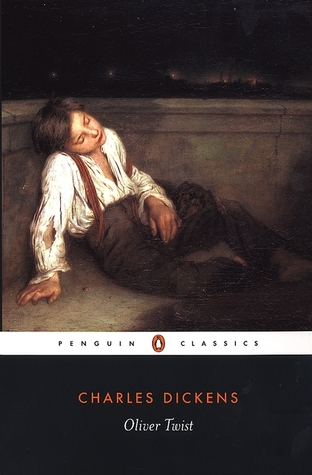
Charles Dickens’ Oliver Twist (1837-1839) stands as a towering achievement of Victorian literature, weaving together a gripping narrative with a biting critique of societal inequities. The novel’s unflinching portrayal of poverty and the underbelly of industrial England remains as compelling today as it was when first serialized, offering both an engrossing story and a profound social commentary.
The Social Landscape of Victorian England
At its heart, Oliver Twist is an indictment of the systemic failures of Dickens’ time, particularly the Poor Laws of 1834, which institutionalized the workhouse as a solution to poverty. Dickens uses the early chapters, which detail Oliver’s life in the workhouse, to expose the dehumanizing treatment of the poor. The infamous line, “Please, sir, I want some more,” has transcended its context to become a symbol of defiance against oppressive systems. Dickens masterfully critiques these institutions by juxtaposing their cold bureaucracy with the warmth of Oliver’s innate innocence.
The novel delves into the grim realities of London’s underworld through characters like Fagin, a manipulative criminal mastermind, and Bill Sikes, a volatile thug. Dickens spares no detail in depicting the squalor and moral corruption of these environments, effectively challenging the era’s sanitized depictions of poverty. These vivid descriptions serve as both narrative texture and moral indictment, compelling readers to confront the harsh truths of social stratification.
Characterization: Archetypes and Complexities
Oliver himself is a figure of almost saintly purity, often critiqued for his passivity. However, his role as an archetype of innocence serves as a deliberate contrast to the moral decay around him. Critics have often debated whether Oliver’s unchanging virtue detracts from his realism. Yet, this portrayal aligns with Dickens’ broader moral vision: Oliver is not merely a boy but a symbol of hope, resilience, and the potential for redemption.
Fagin, one of Dickens’ most complex creations, straddles the line between caricature and nuance. While modern readers may grapple with the anti-Semitic undertones of his depiction, his cunning and charisma render him a fascinating and deeply human antagonist. Nancy, in particular, emerges as one of Dickens’ most nuanced characters. Torn between loyalty to Sikes and her burgeoning moral conscience, she embodies the possibility of redemption amidst depravity, her tragic fate a poignant critique of societal indifference to the plight of women in her position.
A Tale of Dualities
The narrative is rich with dualities—innocence versus corruption, wealth versus poverty, and compassion versus cruelty. Dickens crafts a Dickensian London that teems with contrasts, from the grimy backstreets of the East End to the genteel households of Mr. Brownlow and Rose Maylie. This juxtaposition underscores the moral and social disparities of the time, creating a vivid tapestry that resonates with both Victorian and contemporary audiences.
Dickens’ Narrative Craftsmanship
The serialized nature of Oliver Twist is evident in its structure, with chapters often ending in suspenseful cliffhangers. Dickens’ mastery of pacing and his ability to balance pathos, humor, and tension make the novel an enduring page-turner. His descriptive prose, rich in metaphor and imagery, brings the world of the novel to life with an almost cinematic vividness.
Yet, Dickens does not shy away from sentimentality, which some critics have viewed as a flaw. The resolution, with its revelations of Oliver’s lineage and the restoration of his rightful place in society, leans towards melodrama. However, this sentimentality serves a thematic purpose, reinforcing Dickens’ belief in the triumph of virtue over vice.
A Timeless Classic
Oliver Twist transcends its status as a Victorian novel to become a timeless exploration of humanity’s capacity for both cruelty and compassion. Dickens’ critique of systemic injustice and his evocative portrayal of London’s marginalized communities remain relevant, offering insights into the persistent inequities of modern society.
For literary scholars, Oliver Twist is a rich text, brimming with themes, symbols, and social critiques ripe for analysis. It is not merely a story of a boy’s survival but a clarion call for empathy and reform. Dickens’ genius lies in his ability to entertain while demanding moral reflection, ensuring that Oliver Twist continues to captivate and challenge readers across generations.
Discover more from The New Renaissance Mindset
Subscribe to get the latest posts sent to your email.
 The New Renaissance Mindset