
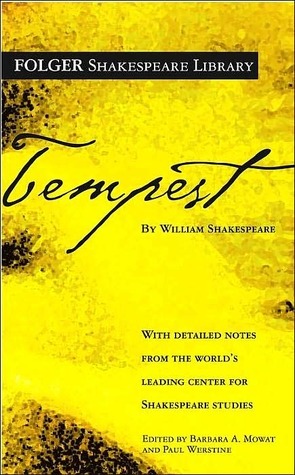
Shakespeare’s late play is at once a fairy-tale romance, a metaphysical meditation on art and illusion, and one of his most unsettling examinations of power and possession. Its small cast and island setting concentrate moral conflicts into a tight theatrical laboratory: Prospero’s rulership through books and spirits; Ariel’s airy service; Caliban’s earthy resistance; and the young lovers’ idyll. The result is a work that reads like a requiem for theatrical art and authority even as it celebrates its creative possibilities.
Thesis — control, language, and theatricality
The play stages control as both aesthetic practice and political technology. Prospero commands the island with “‘charms’” learned from his books; but Shakespeare steadily complicates the morality of that control. Prospero’s authority is enacted through language and spectacle — the invisible strings of the play itself — and the text asks whether renunciation of power can ever be complete. That question is encoded in short, emblematic speeches: Prospero briskly reminds Ariel of the tempest’s purpose, “Hast thou, spirit, / Perform’d to point the tempest that I bade thee?” and later prepares the audience for his own undoing: “Now my charms are all o’erthrown.” These lines frame the play’s central movement from domination toward staged forgiveness.
Words, colonization, and Caliban
One of the richest veins of interpretation reads Caliban as the play’s indictment of colonial dispossession. He frames his grievance with a bitter paradox about language: “You taught me language; and my profit on’t / Is, I know how to curse.” Here language is not only a civilizing gift but an instrument of dispossession; the colonizer’s tongue thus becomes the native’s means of protest. Caliban’s earthy diction and his obsessive claim to the island complicate any simple verdict: he is at once monstrous and eloquent, victim and threat. Shakespeare refuses to let Caliban be purely a foil; his lines constrict the audience’s complacency about empire.
Ariel, music, and the art of enchantment
Ariel represents the aesthetic ideal of art that delights and dislocates. His songs are literalized theatrical music that reconfigures reality: “Where the bee sucks, there suck I; / In a cowslip’s bell I lie.” Ariel’s lyricism is the play’s counterweight to Prospero’s didactic magic — an art that seduces rather than rules. Through Ariel, we are shown art’s capacity to transform and to reveal truths that coercion cannot; Ariel’s final plea for freedom becomes emblematic of art’s claim to autonomy.
Dreams, mortality, and the endgame of forgiveness
The famous, often-quoted meditation — “We are such stuff / As dreams are made on, and our little life / Is rounded with a sleep” — crystallizes the play’s metaphysical register. Shakespeare asks us to consider theatre itself as dream-work: characters appear, enact intense moral reckonings, and then are folded back into sleep and oblivion. The play’s reconciliation scene is staged like a moral experiment: Prospero offers forgiveness, and yet that forgiveness is staged and theatrical. Is it genuine redemption or a dramaturgical necessity? The final epilogue, where Prospero asks the audience to release him with their applause, literalizes the dependence of moral closure on theatrical response.
Form and staging — an island as laboratory
Formally, the play is remarkable for its blending of genres: the comic subplot of young lovers, the romance of exotic scenery, tragic undertones in Prospero’s dispossession, and lyrical interludes of song. The island functions as a theatrical island: spaces of confinement (the cell, the cave), liminal thresholds (the shore, the masque), and a stage for moral experiment. Directors can accentuate any of the play’s registers — political allegory, gothic fable, or allegory of art — which is why productions remain so various and compelling.
Weaknesses and ambiguities (which are often strengths)
The Tempest’s moral ambiguity can frustrate readers seeking simple justice. Caliban’s attempted violence and the complicity of the European newcomers complicate the play’s tidy reconciliation. Prospero’s final abjuration of magic reads as both noble renunciation and strategic self-fashioning. Yet these tensions are productive: they keep the play alive as a site for debate about authority, restitution, and the ethics of art.
A play for theatre and for conscience
The Tempest remains one of Shakespeare’s most compact and philosophical works: short on cast but vast in theme. Its genius lies in turning theatrical technique into moral inquiry — using tempest, song, and masque to interrogate how language and imagination both bind and liberate. To read the play is to watch authority undone on stage, to hear the island speak through conflicting tongues, and finally to be asked, as Prospero is asked, to authenticate forgiveness by the very act of our witness.
Discover more from The New Renaissance Mindset
Subscribe to get the latest posts sent to your email.
 The New Renaissance Mindset