
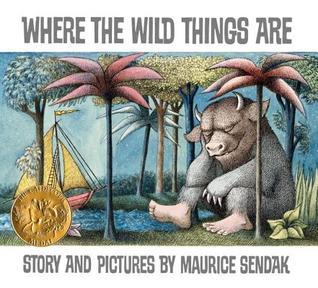
Maurice Sendak’s Where the Wild Things Are is one of those rare picture books that functions simultaneously as a fable, a miniature psychological drama, and a radical experiment in economy — of line, of colour, and of words. On the surface it tells the simple story of a child’s temper and imaginative flight; beneath that … Continue reading The Adaptable Educator’s Book Review – Where the Wild Things Are by Maurice Sendak
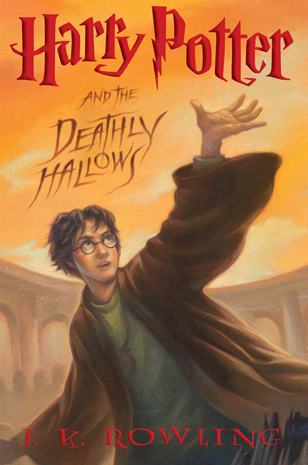
The Adaptable Educator’s Book Review – Harry Potter and the Deathly Hallows by J.K. Rowling
J. K. Rowling’s Harry Potter and the Deathly Hallows performs the double task required of a concluding volume in an epic sequence: it must both resolve a sprawling plot and transmute the series’ earlier motifs into a final grammar of meaning. In this seventh book, Rowling moves decisively away from episodic schoolroom adventures into a … Continue reading The Adaptable Educator’s Book Review – Harry Potter and the Deathly Hallows by J.K. Rowling
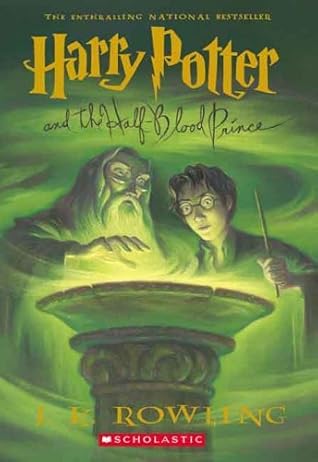
The Adaptable Educator’s Book Review – Harry Potter and the Half-Blood Prince by J.K. Rowling
J.K. Rowling’s sixth instalment in the Harry Potter sequence is the book in which the series sheds most of its juvenile skin and begins to operate, with near-full force, as a novel about knowledge, culpability, and the ethical weight of memory. Half-Blood Prince is not merely darker in tone; it is structurally and thematically preoccupied … Continue reading The Adaptable Educator’s Book Review – Harry Potter and the Half-Blood Prince by J.K. Rowling
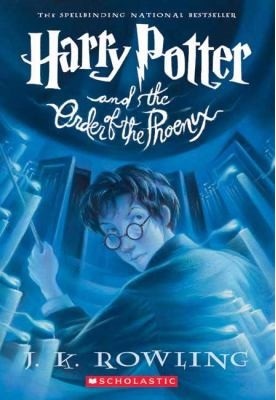
The Adaptable Educator’s Book Review – Harry Potter and the Order of the Phoenix by J.K. Rowling
By the fifth book Rowling performs a deliberate tonal swerve: Order of the Phoenix is not merely a continuation of the magical-adventure arc begun in Philosopher’s Stone but the moment when the series grows up, and asks of its readers something harder than puzzles and schoolboy heroics. Structurally the novel is a hinge — bulkier, … Continue reading The Adaptable Educator’s Book Review – Harry Potter and the Order of the Phoenix by J.K. Rowling
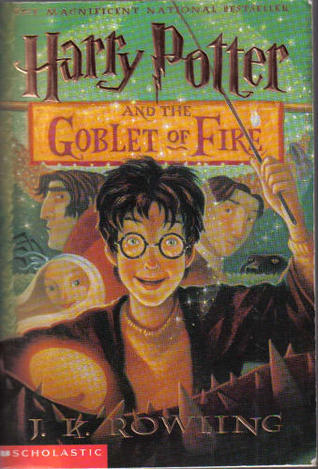
The Adaptable Educator’s Book Review – Harry Potter and The Goblet of Fire by J.K. Rowling
Harry Potter and the Goblet of Fire performs a decisive tonal and structural shift in J.K. Rowling’s series: what began as a tightly localized tale of a magical boy on the margins of domestic unease becomes in Book Four an expansive ritual narrative that stages adolescence, institutional failure, and the return of political terror. It … Continue reading The Adaptable Educator’s Book Review – Harry Potter and The Goblet of Fire by J.K. Rowling
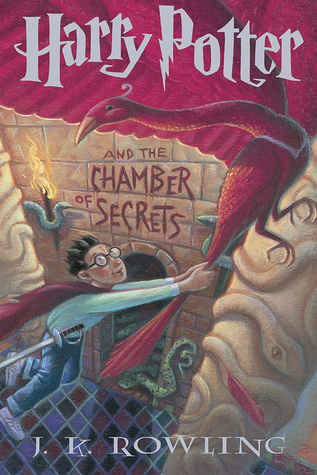
The Adaptable Educator’s Book Review – Harry Potter and the Chamber of Secrets by J.K. Rowling
If the first volume of J.K. Rowling’s saga announced a wholly imagined magical world with the innocent exhilaration of discovery, Harry Potter and the Chamber of Secrets registers the series’ movement from charm into consequence. Rowling’s sophomore effort tightens the mechanics of her imagination while deepening the book’s moral and formal ambitions: it is at … Continue reading The Adaptable Educator’s Book Review – Harry Potter and the Chamber of Secrets by J.K. Rowling
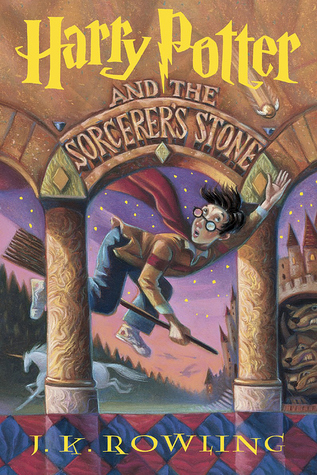
The Adaptable Educator’s Book Review – Harry Potter and the Philosopher’s Stone by J.K. Rowling
J.K. Rowling’s Harry Potter and the Philosopher’s Stone performs a curious double task: it reanimates familiar strands of the British children’s-book tradition (the orphaned schoolboy, the boarding school adventure, the fairy-tale quest) while announcing, with surprising economy, the existence of a fully imagined parallel moral universe. Read as a discrete text rather than merely the … Continue reading The Adaptable Educator’s Book Review – Harry Potter and the Philosopher’s Stone by J.K. Rowling
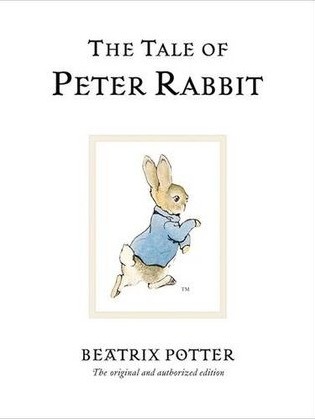
The Adaptable Educator’s Book Reviews – The Tale of Peter Rabbit by Beatrix Potter
Beatrix Potter’s The Tale of Peter Rabbit (1902) is a pocket-sized fable whose deceptive simplicity disguises a finely tuned moral and aesthetic practice. Written for children yet animated by the author’s keen observational eye, the tale endures because it compresses a complex set of cultural anxieties — discipline and transgression, class and rural economics, the … Continue reading The Adaptable Educator’s Book Reviews – The Tale of Peter Rabbit by Beatrix Potter

The Adaptable Educator’s Book Review – A Monster Calls by Patrick Ness
Patrick Ness’s A Monster Calls is a small book with a temperament too large for its pages: concise in language, volcanic in feeling. At its barest level it is the narrative of Conor O’Malley, a boy living in the daily suspense of his mother’s terminal illness, who is visited one night by a monstrous yew … Continue reading The Adaptable Educator’s Book Review – A Monster Calls by Patrick Ness

The Adaptable Educator’s Book Review – Mortimer by Robert Munsch
Mortimer reads at first like a comic domestic sketch: it’s bedtime, Mortimer refuses, Mortimer makes a racket, and every adult who enters the scene fails to quiet him. But beneath that simple spine of plot sits the set of a small stage where Munsch — working in his characteristic oral-storytelling register — orchestrates an escalating … Continue reading The Adaptable Educator’s Book Review – Mortimer by Robert Munsch
 The New Renaissance Mindset