
Shakespeare’s uneven, intriguing comedy reads like a tournament between two impulses: an impulse toward the consolations of romance and ceremony, and an equally insistent pull toward moral ambiguity and theatrical awkwardness. At face value the plot is simple—a physician’s daughter secures the cure of a sick king and is rewarded with the husband she desires—but … Continue reading The Adaptable Educator’s Book Review – All’s Well That Ends Well by William Shakespeare
The Adaptable Educator’s Book Review – Measure for Measure by William Shakespeare
Measure for Measure resists tidy classification. Cast as a “comedy” in early quartos yet steeped in moral unease and judicial severity, it belongs to that uneasy middle ground—what later critics call a problem play—where questions of law, mercy, desire, and hypocrisy refuse easy resolution. Shakespeare stages a civic experiment: the Duke of Vienna deputizes Angelo … Continue reading The Adaptable Educator’s Book Review – Measure for Measure by William Shakespeare
The Adaptable Educator’s Book Review – Antony and Cleopatra by William Shakespeare
Shakespeare’s Antony and Cleopatra refuses neat categorization: part historical chronicle, part lyric tragedy, wholly an enactment of divided selves. The play stages an epic collision — Rome’s brittle, administrative world against Egypt’s lush, sensuous one — and interrogates what remains of identity, honour, and love when political necessity demands their sacrifice. In what follows I … Continue reading The Adaptable Educator’s Book Review – Antony and Cleopatra by William Shakespeare
The Adaptable Educator’s Book Review – The Winter’s Tale by William Shakespeare
Shakespeare’s late romance is an audacious exercise in tonal sleight-of-hand. The Winter’s Tale begins in the claustrophobic pressure-cooker of courtly jealousy and ends in an almost miraculous unclenching — a movement from accusation to amends, from desperate possession to a form of theatrical mercy. The play resists tidy categorization: it is at once a domestic … Continue reading The Adaptable Educator’s Book Review – The Winter’s Tale by William Shakespeare
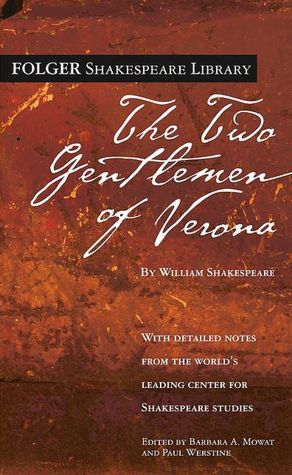
The Adaptable Educator’s Book Review – The Two Gentlemen of Verona by William Shakespeare
Shakespeare’s early comedy The Two Gentlemen of Verona reads—unequivocally—as the work of a dramatist still learning the ropes, and yet it contains moments of surprising moral complexity and radiant lyricism that repay careful attention. The play’s structural unevenness (rapid tonal shifts from high romance to broad slapstick, and sudden moral reversals) has long made it … Continue reading The Adaptable Educator’s Book Review – The Two Gentlemen of Verona by William Shakespeare
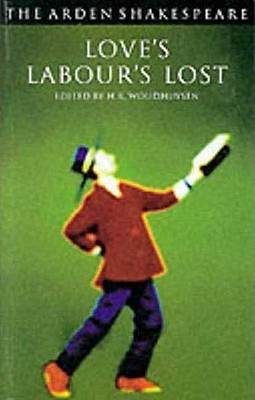
The Adaptable Educator’s Book Review – Love’s Labour’s Lost by William Shakespeare
Shakespeare sets a peculiarly cerebral trap for his audience in Love’s Labour’s Lost: a courtly experiment in renunciation and study that is immediately confounded by the comic contagion of love. The play reads like a satire of pedantry and Petrarchan affectation, and its pleasures come less from plotful surprise than from the verbal inventiveness and … Continue reading The Adaptable Educator’s Book Review – Love’s Labour’s Lost by William Shakespeare
The Adaptable Educator’s Book Review – The Comedy of Errors by William Shakespeare
Shakespeare’s briskest and most farcical early play, The Comedy of Errors stages a combustible mixture of slapstick, classical plot-mechanics, and surprisingly tender melancholia. On its surface the play is a tight mechanical farce — two sets of identical twins, mistaken identities, beatings, arrests, and a sequence of escalating misunderstandings — but beneath that machinery Shakespeare … Continue reading The Adaptable Educator’s Book Review – The Comedy of Errors by William Shakespeare
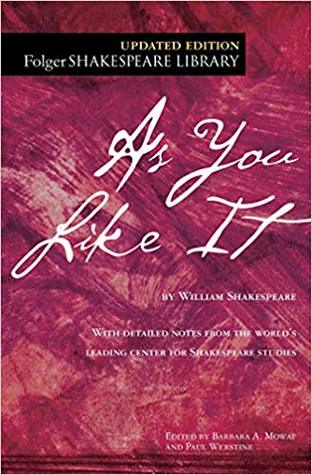
The Adaptable Educator’s Book Review – As You Like It by William Shakespeare
As You Like It is, at once, one of Shakespeare’s most winsome comedies and one of his most philosophically porous. The play stages a collision between court and wood, artifice and simplicity, and—most memorably—between performance and identity. Its pleasures are theatrical (wit, disguise, comic reversals) but its imaginative reach is pastoral and reflective: the Forest … Continue reading The Adaptable Educator’s Book Review – As You Like It by William Shakespeare
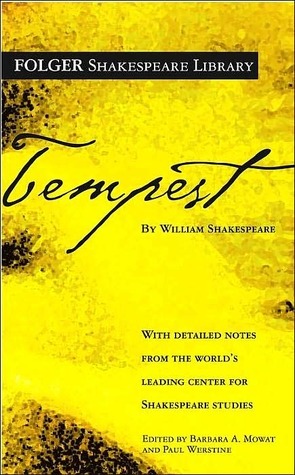
The Adaptable Educator’s Book Review – The Tempest by William Shakespeare
Shakespeare's late play is at once a fairy-tale romance, a metaphysical meditation on art and illusion, and one of his most unsettling examinations of power and possession. Its small cast and island setting concentrate moral conflicts into a tight theatrical laboratory: Prospero’s rulership through books and spirits; Ariel’s airy service; Caliban’s earthy resistance; and the … Continue reading The Adaptable Educator’s Book Review – The Tempest by William Shakespeare
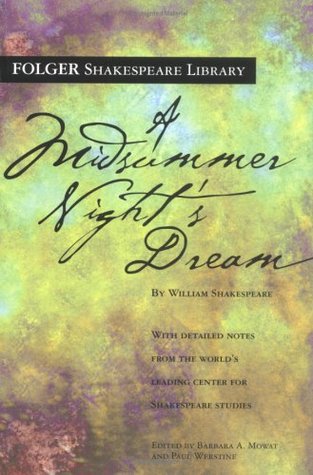
The Adaptable Educator’s Book Review – A Midsummer Night’s Dream by William Shakespeare
Shakespeare’s comic fantasia remains, more than four centuries after its first performances, a small universe where love, language, and theatricality chase one another in circles until witty chaos becomes a kind of logic. In this review I treat the play both as a tightly engineered comic machine and as an example of poetic imagination that … Continue reading The Adaptable Educator’s Book Review – A Midsummer Night’s Dream by William Shakespeare
 The New Renaissance Mindset