
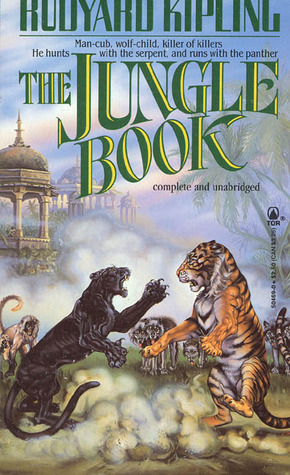
Rudyard Kipling’s The Jungle Book (1894) sits oddly and brilliantly between children’s tale and moral fable, between ethnographic curiosity and wild lyric. Read simply as a collection of animal stories, it is superb entertainment: taut, vivid, and full of suspense. Read as literature, it becomes a compact study in moral pedagogy, imperial imagination, and narrative voice — … Continue reading The Adaptable Educator’s Book Review – The Jungle Book by Rudyard Kipling

The Adaptable Educator’s Book Review – Brave New World by Aldous Huxley
Brave New World by Aldous Huxley is often celebrated as one of the most prescient dystopian novels of the twentieth century, and for good reason. Published in 1932, it imagines a “World State” in which technological mastery over human biology and psychology has eradicated war, disease, and suffering—but at a grievous cost to individuality, creativity, and … Continue reading The Adaptable Educator’s Book Review – Brave New World by Aldous Huxley

The Adaptable Educator’s Book Review – Les Misérables by Victor Hugo
Victor Hugo’s Les Misérables (1862) stands as a towering achievement of 19th‑century literature—a sweeping epic that fuses personal redemption, social critique, and philosophical inquiry within the tumultuous milieu of post‑Napoleonic France. Far more than a mere novel, Hugo’s work is a moral symphony, each character and subplot contributing a distinct thematic voice to the grand chorus of … Continue reading The Adaptable Educator’s Book Review – Les Misérables by Victor Hugo

The Adaptable Educator’s Book Review – The Hunchback of Notre-Dame by Victor Hugo
Victor Hugo’s The Hunchback of Notre-Dame (1831) stands as a towering monument of Romantic literature, a densely wrought tapestry of architecture, social critique, and human pathos. Far more than a mere melodrama of unrequited love, Hugo’s novel interrogates the role of art and the built environment in shaping human identity, offering a prescient meditation on the tensions … Continue reading The Adaptable Educator’s Book Review – The Hunchback of Notre-Dame by Victor Hugo
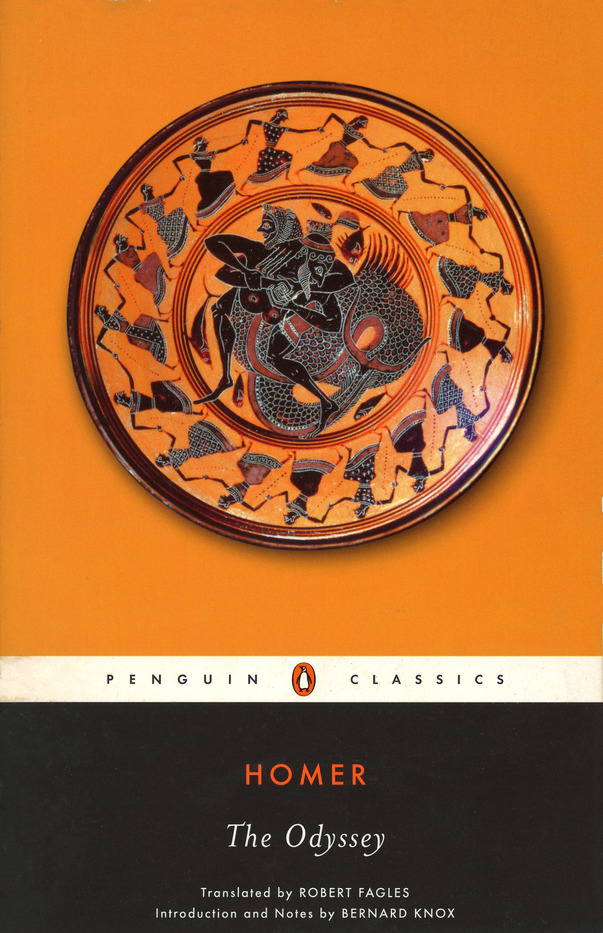
The Adaptable Educator’s Book Review – The Odyssey by Homer
Homer’s The Odyssey stands as a foundational epic in Western literature, a tapestry of narrative virtuosity, psychological depth, and enduring thematic resonance. Composed—by oral tradition—sometime in the late eighth century BCE, this epic bridges mythic grandeur with remarkably human concerns. Narrative Structure and Poetic CraftFrom the very first lines (“Tell me, O Muse, of that ingenious hero…”), The Odyssey announces … Continue reading The Adaptable Educator’s Book Review – The Odyssey by Homer
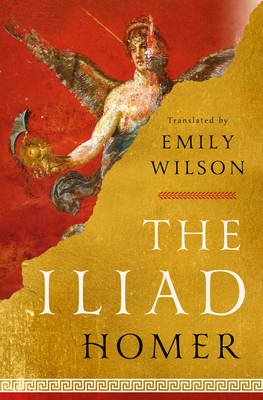
The Adaptable Educator’s Book Review – The Iliad by Homer
An Epic of Wrath, Honour, and the Human Condition The Iliad, attributed to the ancient Greek bard Homer and composed in the late eighth or early seventh century BCE, remains one of the foundational pillars of Western literature. Far more than a mere chronicle of the Trojan War’s final weeks, the poem delves deeply into … Continue reading The Adaptable Educator’s Book Review – The Iliad by Homer
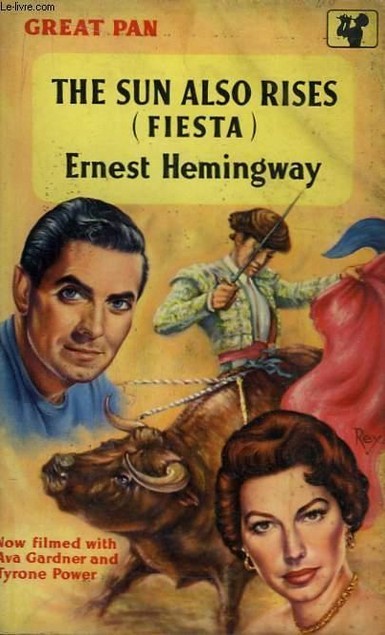
The Adaptable Educator’s Book Review – The Sun Also Rises by Ernest Hemingway
The Sun Also Rises by Ernest Hemingway stands as a defining work of Modernist literature and an enduring portrait of the “Lost Generation.” First published in 1926, the novel captures the existential ennui, fractured moral compass, and elusive search for meaning among expatriates in post–World War I Europe. Hemingway’s pared-down prose—alternately cool and urgent—reflects both the … Continue reading The Adaptable Educator’s Book Review – The Sun Also Rises by Ernest Hemingway
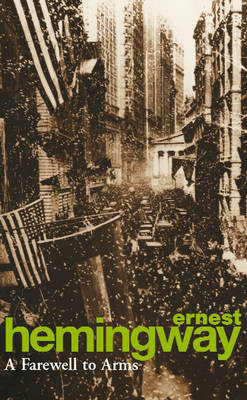
the Adaptable Educator’s Book Review – A Farewell to Arms by Ernest Hemingway
Ernest Hemingway’s A Farewell to Arms (1929) stands as a masterwork of modernist fiction, fusing the brutal immediacy of war reportage with the elegiac registers of a doomed love story. Drawing on his own experience as an ambulance driver on the Italian front, Hemingway distills the chaos of World War I into a lean, unflinching narrative that … Continue reading the Adaptable Educator’s Book Review – A Farewell to Arms by Ernest Hemingway
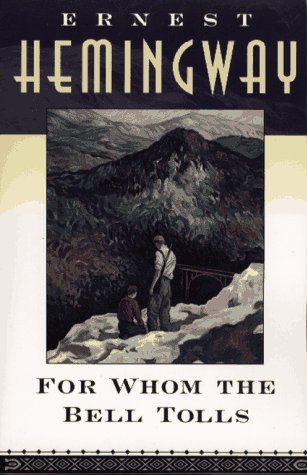
The Adaptable Educator’s Book Review – For Whom the Bell Tolls by Ernest Hemingway
Ernest Hemingway’s For Whom the Bell Tolls (1940) stands as a landmark in 20th-century literature, melding the immediacy of war reportage with profound philosophical reflection. Drawing on his own experiences as a journalist in the Spanish Civil War, Hemingway crafts a novel that is at once an action thriller and an elegy for human interconnectedness in the … Continue reading The Adaptable Educator’s Book Review – For Whom the Bell Tolls by Ernest Hemingway

The Adaptable Educator’s Book Review – A Moveable Feast by Ernest Hemingway
Ernest Hemingway’s A Moveable Feast is at once a memoir of youthful ambition and an elegiac tapestry of 1920s Paris, rendered with the author’s characteristic austerity. Though assembled and published after his death in 1964, the book reads less like posthumous assemblage and more like a deliberately structured poetic fragment, inviting readers into the tender liminality between … Continue reading The Adaptable Educator’s Book Review – A Moveable Feast by Ernest Hemingway
 The New Renaissance Mindset