
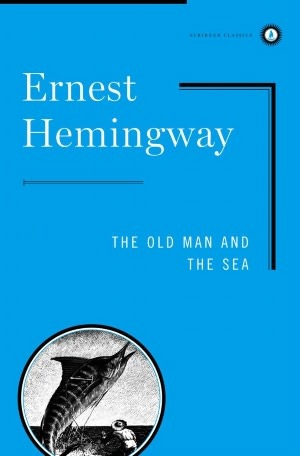
The Old Man and the Sea (1952) stands as one of Ernest Hemingway’s most distilled and profound works. Awarded the Pulitzer Prize in 1953—and contributing significantly to Hemingway’s Nobel Prize in Literature the following year—the novella encapsulates the writer’s enduring themes of stoicism, struggle, and the dignity inherent in defeat. Below, I explore the work’s historical … Continue reading The Adaptable Educator’s Book Review – The Old Man and the Sea by Ernest Hemingway

The Adaptable Educator’s Book Review – Catch-22 by Joseph Heller
Joseph Heller’s Catch-22 (1961) is a landmark of postwar American fiction, notable for its inventive structure, biting satire, and exploration of moral ambiguity. At its core, the novel interrogates the nature of war and bureaucracy through the lens of Captain John Yossarian, a U.S. Army Air Force bombardier stationed on the fictional island of Pianosa during World … Continue reading The Adaptable Educator’s Book Review – Catch-22 by Joseph Heller
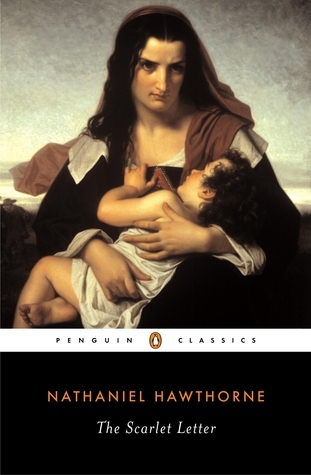
The Adaptable Educator’s Book Review – The Scarlet Letter by Nathaniel Hawthorn
“The Scarlet Letter,” first published in 1850, stands as Nathaniel Hawthorne’s masterwork—a profound exploration of sin, guilt, and redemption set against the rigid moralism of 17th-century Puritan New England. As a literary scholar might observe, the novel operates on multiple levels: as a historical romance, a psychological case study, and an ethical parable. Hawthorne’s layered … Continue reading The Adaptable Educator’s Book Review – The Scarlet Letter by Nathaniel Hawthorn
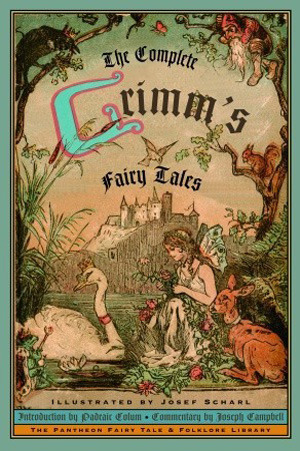
The Adaptable Educator’s Book review – The Grimm brothers’ Complete Fairy Tales
The Grimm brothers’ Complete Fairy Tales, first published in 1812 (with subsequent revisions through 1857), stand as a cornerstone of Western narrative tradition. Jacob and Wilhelm Grimm, originally philologists and lexicographers, approached these tales not simply as children’s stories but as artifacts of a living oral tradition—repositories of communal memory, social norms, and psychological archetypes. This … Continue reading The Adaptable Educator’s Book review – The Grimm brothers’ Complete Fairy Tales

Weekend Book Reviews: The Last Unicorn by Peter S. Beagle
Peter S. Beagle's The Last Unicorn, first published in 1968, is a timeless classic of fantasy literature that transcends its genre, offering a poignant meditation on loss, immortality, and the ephemeral nature of beauty. Often cited alongside other great works of mythopoeic literature, Beagle’s narrative resonates with readers through its poetic prose, existential underpinnings, and richly … Continue reading Weekend Book Reviews: The Last Unicorn by Peter S. Beagle
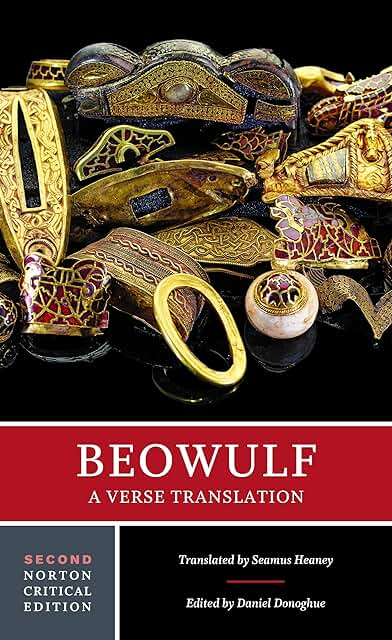
Wednesday’s Classic-Book Report on “Beowulf”
"Beowulf" is an epic poem of monumental importance in English literature. Although its author remains anonymous, it is believed to have been composed between the 8th and 11th centuries. The poem is set in Scandinavia and follows the heroic exploits of its titular character, Beowulf, as he battles formidable foes. As one of the oldest … Continue reading Wednesday’s Classic-Book Report on “Beowulf”
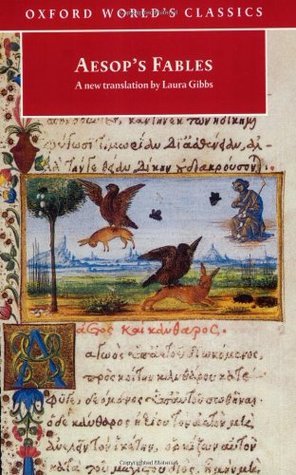
Wednesday’s Classic-Book Report: Aesop’s Fables
"Aesop's Fables" is a collection of short stories attributed to Aesop, a storyteller believed to have lived in ancient Greece around the 6th century BCE. These fables have been passed down through generations and are known for their moral lessons, anthropomorphic animal characters, and succinct storytelling. Each fable encapsulates a moral or practical lesson, often … Continue reading Wednesday’s Classic-Book Report: Aesop’s Fables
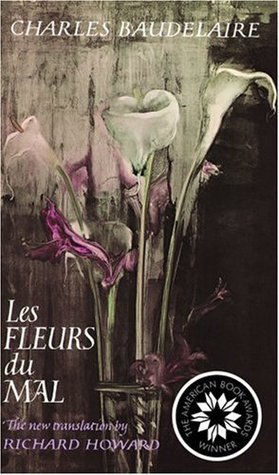
Wednesday’s Classic-Book Report: Les Fleurs du mal by Charles Baudelaire
Les Fleurs du mal (The Flowers of Evil) is a groundbreaking collection of poems by the French poet Charles Baudelaire, first published in 1857. This seminal work is often credited with ushering in the era of modern poetry, bridging the gap between Romanticism and Symbolism, and influencing many later poets and writers. Baudelaire's masterful use of … Continue reading Wednesday’s Classic-Book Report: Les Fleurs du mal by Charles Baudelaire
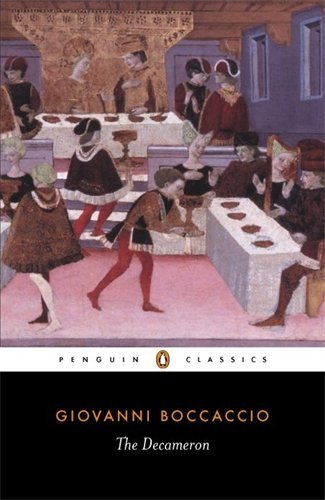
Wednesday’s Classic-Book Report: The Decameron by Giovanni Boccaccio
Giovanni Boccaccio's The Decameron, composed in the mid-14th century, is a cornerstone of Italian literature and a significant work in the canon of world literature. Written in the wake of the Black Death, this collection of 100 tales told by ten young people—seven women and three men—offers a multifaceted view of human life and society in … Continue reading Wednesday’s Classic-Book Report: The Decameron by Giovanni Boccaccio
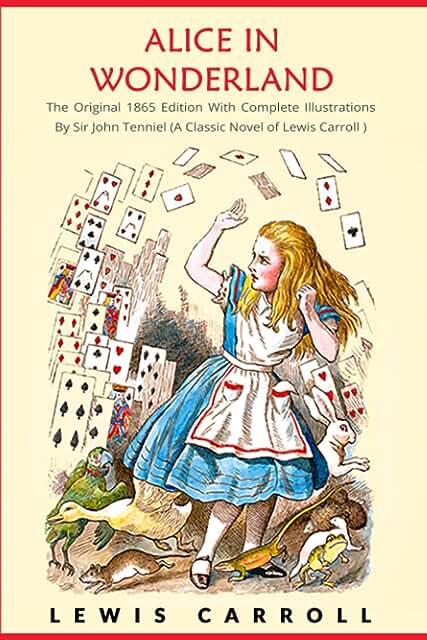
Wednesday’s Classic-Book Report: Alice’s Adventures in Wonderland by Lewis Carroll
"Alice's Adventures in Wonderland" (Lewis Carroll, 1865) tells the story of a young girl named Alice who falls through a rabbit hole into a fantastical world filled with peculiar creatures and bizarre adventures. The narrative begins with Alice, bored and restless, sitting by her sister. She spots a White Rabbit dressed in a waistcoat and … Continue reading Wednesday’s Classic-Book Report: Alice’s Adventures in Wonderland by Lewis Carroll
 The New Renaissance Mindset