
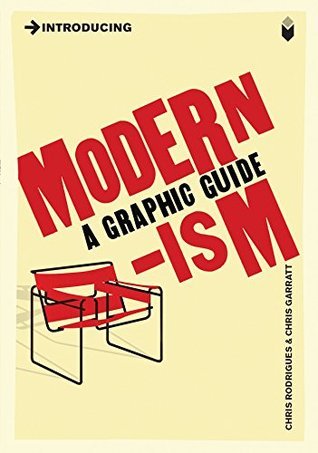
Chris Rodrigues’s “Introducing Modernism: A Graphic Guide” provides an accessible and engaging overview of one of the most pivotal movements in literary and artistic history. Aimed at both newcomers and enthusiasts of Modernism, this book combines clarity with visual appeal to demystify a complex era of cultural upheaval and innovation.
The structure of the book is its first triumph. Rodrigues employs a graphic novel format, making intricate concepts and historical contexts approachable through a combination of illustrations and succinct text. This approach not only facilitates comprehension but also invites readers to visually connect with the ideas presented, enhancing the learning experience beyond traditional prose.
Central to the success of “Introducing Modernism” is its ability to distill the essence of Modernist thought without oversimplifying or sacrificing depth. Rodrigues navigates through the labyrinthine landscapes of literature, art, philosophy, and politics that defined the Modernist movement. From the fragmentation of narrative in literature to the bold experiments in form and style, the book adeptly captures the spirit of rebellion and innovation that characterized Modernism.
Moreover, Rodrigues integrates biographical sketches of key figures such as T.S. Eliot, Virginia Woolf, and Pablo Picasso, offering readers a glimpse into the lives and minds that shaped the movement. These personal insights humanize the theoretical discussions, making the avant-garde theories and manifestos relatable.
One of the book’s most commendable aspects is its inclusivity. While focusing primarily on Western Modernism, Rodrigues also acknowledges the movement’s global reach and its intersections with other cultural and intellectual currents. This broad perspective enriches the narrative, illustrating Modernism as a truly international phenomenon with diverse manifestations and interpretations.
Critically, “Introducing Modernism” excels in balancing scholarly rigor with accessibility. Rodrigues manages to convey complex ideas such as existentialism, cubism, and stream-of-consciousness writing in a manner that engages readers of all backgrounds. The visual aids, including timelines, diagrams, and artistic reproductions, further reinforce understanding without overwhelming the reader.
However, some readers may find the brevity of certain discussions limiting, particularly if they seek more in-depth analyses of specific works or movements within Modernism. Additionally, while the graphic format facilitates understanding, it may not appeal universally to those who prefer traditional textual expositions.
In conclusion, Chris Rodrigues’s “Introducing Modernism: A Graphic Guide” is an indispensable resource for anyone seeking a comprehensive yet accessible introduction to Modernism. Through its innovative format and insightful content, the book successfully bridges the gap between scholarly analysis and popular appeal, making it a valuable addition to both academic libraries and personal collections alike. It not only educates but also inspires readers to explore further the rich tapestry of ideas that define Modernist art and literature.
Rating: 4.5/5
This review combines an appreciation of the book’s strengths with a critical perspective on potential limitations, offering a balanced assessment of its value and appeal to readers interested in Modernist literature and art.
Discover more from The New Renaissance Mindset
Subscribe to get the latest posts sent to your email.
 The New Renaissance Mindset