
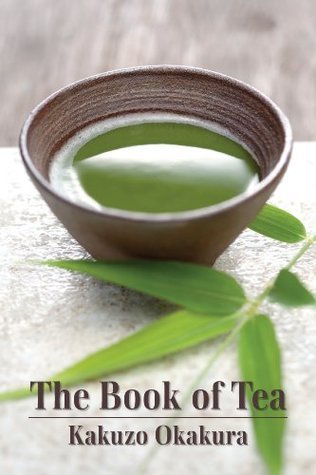
Kakuzo Okakura’s “The Book of Tea” stands as a timeless classic in the realm of literature, philosophy, and cultural studies. Originally published in 1906, this small yet profound work continues to captivate readers with its eloquent exploration of tea and its deep-seated significance in Japanese culture and beyond.
At its heart, Okakura’s book is a philosophical treatise, elegantly weaving together history, aesthetics, and personal reflection to elucidate the essence of tea. Through his narrative, Okakura delves into the intricacies of the Japanese tea ceremony, known as chanoyu or chado, revealing it not merely as a ritual but as a profound expression of harmony, reverence, and mindfulness. He expounds upon the Taoist and Zen Buddhist influences that permeate the tea ceremony, emphasizing its spiritual and philosophical dimensions.
Central to Okakura’s discourse is the contrast he draws between the East and the West, particularly in their respective approaches to art and culture. He critiques the Western tendency towards materialism and commercialism, contrasting it with the Eastern appreciation for simplicity, impermanence, and the beauty found in the transient moments of life — ideals embodied in the ritual of tea drinking itself.
Moreover, “The Book of Tea” serves as a manifesto for cultural preservation and understanding. Okakura laments the encroachment of Western modernity on traditional Eastern values, advocating for the preservation of cultural heritage and the appreciation of aesthetics in everyday life. His call for a harmonious coexistence of Eastern and Western values remains strikingly relevant in today’s globalized world, where cultural exchange and preservation are ongoing concerns.
The prose of “The Book of Tea” is itself a delight to savor. Okakura’s writing is infused with poetic grace and philosophical depth, offering readers not only a profound meditation on tea but also a broader contemplation on life, beauty, and the human spirit. Each chapter unfolds like a delicate tea ceremony, inviting readers to slow down, reflect, and appreciate the subtleties of existence.
In conclusion, Kakuzo Okakura’s “The Book of Tea” is a literary gem that continues to resonate across cultures and generations. Its exploration of tea as a cultural artifact, spiritual practice, and philosophical metaphor makes it a timeless companion for anyone interested in the intersections of art, culture, and spirituality. Through Okakura’s eloquent prose, readers are not merely introduced to tea; they are invited on a journey of introspection and cultural understanding that transcends the boundaries of time and place.
This book is not just a treatise on tea; it is a celebration of life’s fleeting moments and a poignant reminder of the beauty to be found in the simplest of rituals.
I hope this review captures the essence of Okakura’s work and its significance. If you have any specific aspects you’d like me to expand on or revise, feel free to let me know!
Discover more from The New Renaissance Mindset
Subscribe to get the latest posts sent to your email.
 The New Renaissance Mindset