
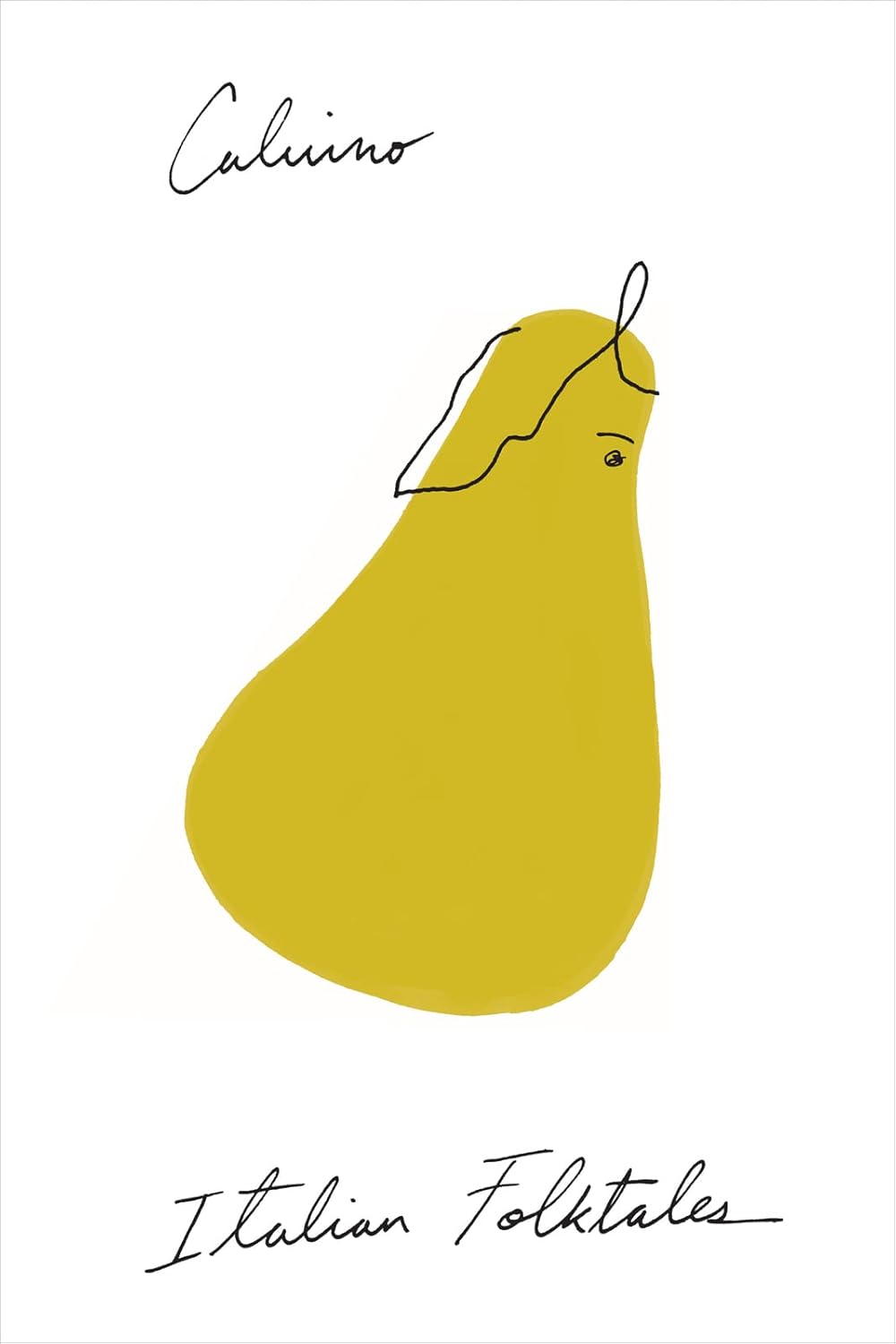
Italo Calvino’s Italian Folktales is a masterful endeavour that captures the essence of Italy’s regional and cultural identity through the prism of folklore. Published in 1956, this work is not merely a collection but a carefully curated and artfully retold anthology of tales, filtered through Calvino’s literary acumen and his deep appreciation for the oral tradition. The result is a text that is both timeless and timely, weaving together Italy’s past with the universal threads of human experience.
The Craft of Retelling
Calvino’s role as an editor, translator, and storyteller shines throughout the collection. His source material, drawn from 19th-century ethnographic collections by Giuseppe Pitrè and others, might seem distant and academic in its original form. Yet, Calvino breathes life into these tales, employing his characteristic clarity, wit, and economy of language. His prose balances fidelity to the original narrative structures with a modern sensibility that makes the stories accessible to contemporary readers.
Calvino’s approach is self-aware and intentional. In his preface, he acknowledges the challenge of retelling: the need to preserve the “naive charm” of oral storytelling while imbuing it with the polish expected of literary works. This duality is at the heart of the book’s brilliance. His tales retain their folkloric spontaneity but are rendered with a literary sophistication that invites reflection. Calvino’s subtle stylistic interventions—whether in a wry turn of phrase or a deftly crafted sentence—elevate these stories without overshadowing their folkloric origins.
Themes and Universality
The 200 tales span a range of themes—love, greed, justice, betrayal, and transformation—that resonate across cultures. Yet, their Italian roots remain undeniable. The landscapes are richly textured with references to Mediterranean flora, rugged mountains, and bustling marketplaces. Local dialects and customs are reflected in the characters’ actions and speech, grounding these stories in a specific cultural milieu.
Despite this regional specificity, the tales possess a universal quality, echoing motifs found in the Brothers Grimm, Charles Perrault, and Aesop. Calvino’s rendition highlights the archetypal nature of these narratives while celebrating their unique Italian flavor. In stories such as The King of the Peacocks and The Dragon with Seven Heads, we encounter protagonists whose trials and triumphs mirror the broader human condition, reminding readers of the shared threads that connect global storytelling traditions.
Narrative Variations and Aesthetic Depth
One of the remarkable aspects of Italian Folktales is its diversity in narrative structure and tone. Some stories unfold with the brevity and moral clarity of fables, while others expand into elaborate epics rich with symbolism. The juxtaposition of light-hearted, almost comical tales with darker, more somber ones reveals Calvino’s skill in curating a collection that mirrors the complexity of life itself.
The visuality of the tales is another striking feature. Calvino’s descriptions evoke vivid imagery that appeals to both the imagination and the intellect. For instance, his portrayal of enchanted forests, cursed palaces, and magical creatures is imbued with an almost painterly quality, reflecting his deep understanding of Italy’s visual and artistic heritage.
Folklore as Cultural Memory
Italian Folktales is more than an anthology—it is a repository of cultural memory. Calvino’s work stands as an act of preservation in an age when oral traditions risk obsolescence. By committing these stories to paper, he ensures their survival while reinvigorating them for new generations. In doing so, he participates in a broader dialogue about the role of folklore in defining national identity and collective consciousness.
Calvino also uses the tales as a lens to explore Italy’s fragmented history. Each region—whether Sicily, Tuscany, or Lombardy—contributes its voice to the collection, creating a mosaic that reflects the country’s diversity. Through this kaleidoscopic view, Calvino not only celebrates Italy’s regional cultures but also underscores the unifying power of shared narratives.
Italo Calvino’s Italian Folktales is a triumph of literary adaptation and cultural preservation. Its pages are a testament to the vitality of storytelling and its enduring relevance. For scholars, it offers rich material for the study of folklore, narrative theory, and cultural identity. For general readers, it provides a portal into a world of wonder, humor, and profound humanity.
Calvino himself describes these tales as “the catalog of the potential destinies of men and women.” Indeed, Italian Folktales is a book to be read, cherished, and revisited—a reminder of the infinite possibilities contained within the art of storytelling.
Discover more from The New Renaissance Mindset
Subscribe to get the latest posts sent to your email.
 The New Renaissance Mindset