
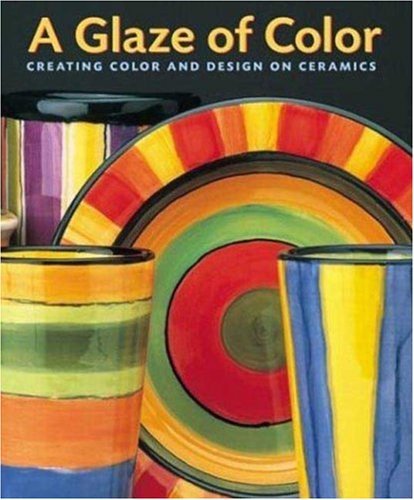
In A Glaze of Color: Creating Color and Design on Ceramics, Jane Davies crafts a compelling guide that bridges the technical aspects of ceramic glazing with the intuitive artistry of design. The book is not merely a manual for ceramists but an exploration of the nuanced interplay between surface, texture, and colour, making it a valuable resource for artists, educators, and enthusiasts alike.
Davies approaches her subject with the precision of a craftsman and the curiosity of an artist. The text is meticulously organized, moving seamlessly from the foundational principles of glazing to advanced techniques that encourage experimentation. Her explanations are lucid, demystifying complex processes such as layering glazes, controlling firing variables, and integrating pattern and form. For the uninitiated, her straightforward language and ample illustrations act as a bridge to the often intimidating world of ceramics, while seasoned practitioners will find her insights both affirming and inspiring.
What sets this book apart is its visual richness. The photography, often featuring close-ups of finished pieces, highlights the transformative power of glaze. The images serve not only as demonstrations of technique but as provocations, urging the reader to consider the infinite possibilities of surface design. This visual component aligns with Davies’s thesis: that glazing is as much about feeling and instinct as it is about chemistry and process.
Davies’s tone is encouraging, almost conversational, which reflects her ethos of fostering creativity over rigid adherence to rules. Her inclusion of “what if?” moments—instances where unexpected outcomes lead to new discoveries—captures the serendipitous nature of ceramics. This philosophy resonates with the broader context of contemporary art, where the boundaries between craft and fine art are increasingly blurred.
The book also delves into the historical and cultural significance of glaze, albeit briefly. While it is clear that Davies’s primary aim is practical instruction, her nods to the long tradition of ceramic art imbue the book with a sense of continuity and respect for the medium’s heritage. This connection to history, however, could have been explored further to enrich the reader’s understanding of how modern techniques are both informed by and deviate from past practices.
A minor critique is that the text occasionally prioritizes breadth over depth. While this broad approach makes the book accessible, some sections—particularly those on advanced techniques—feel somewhat cursory. Readers looking for an exhaustive technical manual may need to supplement their learning with additional resources.
In the realm of instructional art books, A Glaze of Color strikes an admirable balance. It educates without being pedantic, inspires without being overly abstract, and encourages risk-taking while grounding the reader in fundamental skills. Jane Davies has crafted a work that not only informs but also ignites curiosity, making it a vital addition to any ceramicist’s library.
For artists like Mario Perron, who appreciate the wabi-sabi aesthetic and the embrace of imperfection, A Glaze of Color offers tools and insights that align beautifully with such a philosophy. It reminds us that in ceramics, as in life, the interplay between control and surrender often yields the most striking results.
Discover more from The New Renaissance Mindset
Subscribe to get the latest posts sent to your email.
 The New Renaissance Mindset