
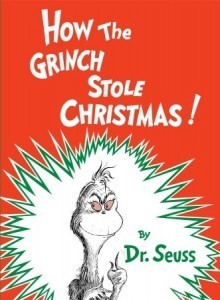
Dr. Seuss’s How the Grinch Stole Christmas! is not merely a children’s tale; it is a profound allegory on the transformative power of community, the dangers of isolation, and the redemptive possibilities of love. Through playful rhymes and whimsical illustrations, Seuss constructs a moral universe where a single act of self-reflection and communal connection can dismantle the walls of cynicism and reshape one’s worldview.
At its core, the Grinch represents the alienation of modernity. Perched atop Mount Crumpit, he is physically and emotionally removed from the vibrancy of Whoville, a metaphor for the warmth of communal life. This isolation fosters his bitterness and his disdain for the very concept of joy. The Grinch’s initial characterization—a creature of malice, his heart “two sizes too small”—suggests not inherent villainy but a profound emotional starvation. Seuss invites readers to question how society may inadvertently create such figures by failing to reach out to those on the periphery.
The rhythmic, musical quality of Seuss’s prose is not merely a narrative device; it underscores the dynamism of Whoville’s collective spirit. The Who’s joyous songs, which persist even in the absence of material possessions, form the story’s moral crux: happiness is not a product of consumption but of shared experiences and unconditional belonging. This theme aligns with Seuss’s broader critique of consumerism, which, though veiled in child-friendly language, resonates with adult audiences attuned to the cultural excesses of the holiday season.
The pivotal moment of the Grinch’s transformation is a masterclass in subtle storytelling. When the Grinch hears the Whos singing despite their apparent losses, his heart expands—not simply as a biological change but as a metaphorical awakening. This act of redemption is remarkable not because it is extraordinary but because it is accessible. The Grinch, like any of us, is capable of change when confronted with the authenticity of human connection. Seuss’s decision to resolve the narrative with inclusion rather than punishment is a radical departure from traditional morality tales, favoring restorative justice over retribution.
The illustrations, too, play a critical role in conveying the story’s themes. The stark contrast between the austere, shadowed world of Mount Crumpit and the luminous vibrancy of Whoville underscores the transformative journey from isolation to integration. The Grinch’s evolving physicality—his sly grin replaced by a genuine smile—parallels his emotional and psychological growth, a subtle yet impactful visual narrative that mirrors the text.
Critics might argue that the simplicity of Seuss’s moral framework—a binary opposition between the Grinch’s greed and the Whos’ generosity—risks oversimplification. Yet it is this very simplicity that allows the narrative to transcend its immediate context and function as a universal parable. The story’s accessibility ensures that its lessons on empathy and community are as relevant to a child as they are to an adult.
How the Grinch Stole Christmas! endures not just as a festive tale but as a profound meditation on the human condition. Dr. Seuss invites readers to confront the Grinch within themselves—to challenge their own cynicism and to embrace the messy, joyous vibrancy of communal life. It is a work that speaks to the heart, reminding us that transformation is always possible, and that even the smallest heart, with care and connection, can grow three sizes in a day.
Discover more from The New Renaissance Mindset
Subscribe to get the latest posts sent to your email.
 The New Renaissance Mindset
Nice review
LikeLike