
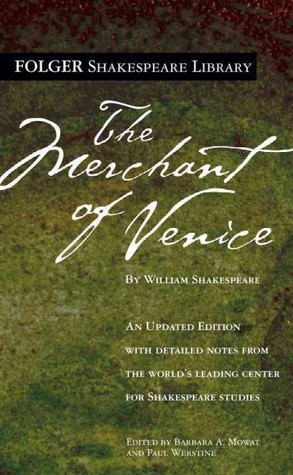
Few of William Shakespeare’s plays wear contradiction as visibly as this one. The Merchant of Venice is at once a brisk romantic comedy, a courtroom drama, and a text that forces readers and audiences to confront the social prejudices of its world. Its pleasures — verbal dexterity, structural neatness, tightly matched plot-lines — sit uneasily beside some of its darker currents. That tension is the play’s enduring critical magnet: it rewards close reading precisely because it refuses a single, consoling meaning.
Structure and economy
Shakespeare pairs two dramatically distinct strands: the Venetian mercantile plot centred on Bassanio’s suit and Antonio’s bond, and the Belmont casket-plot that foregrounds tests of character and fortune. The play’s architecture is economical; the casket game (“All that glisters is not gold”) provides ironic counterpoint to the mercantile world, where appearance and exchange govern value. This economy allows scenes to ricochet off one another — a courtroom’s arithmetic of law answers, in hard terms, the sentimental economy of friendship and marriage.
On language and rhetoric
Shakespeare’s command of rhetorical situation is at full tilt. The play opens in melancholy — “In sooth I know not why I am so sad” — an aside that quickly shades into jokes and wagers, reminding us how quickly mood can be socialized. In the climactic trial, rhetoric becomes law; Portia’s clipped manipulation of legal language — “The quality of mercy is not strained” — shows speech retooled as moral argument, even as the law’s literalism threatens to consume a human life. Shakespeare stages language as both shelter and scalpel.
Character complexity and moral ambiguity
Most readers come for the figure who dominates modern debate: Shylock. Reduced to caricature, he is a stock avenger; read closely, he is also the play’s most powerful moral probe. His famous appeal — “If you prick us, do we not bleed?” — is both rhetorical and ethical, asking an audience conditioned to laugh at his profession and religion to acknowledge shared humanity. Yet the play does not exempt him from critique: his insistence on the pound of flesh reads as monstrous, a hardness that the law can — and does — exploit. The result is not a simple apology or condemnation but a collision: a legal system that professes impartiality applied in a society saturated with partiality.
Equally fascinating is Portia, who manipulates gender and performance to enact a version of agency denied her by social constraints. Disguised as a male advocate she converts eloquence into juridical salvation; the move is comic, dramatic, and deeply reflective about how authority is gendered. Complementing Portia is Antonio, whose melancholic largesse and willingness to sign a lethal bond illuminate the play’s linkage of affection, risk, and financial exchange.
Social context and modern readings
Set largely in Venice, a commercial hub where law and credit shape life, the play dramatizes the intersection of commerce, religion, and the law. Contemporary readers must reckon with some anti-jewish imagery of that era and the ways staging choices have amplified or mitigated that material across centuries. Modern productions often turn the problem into a space for critique: Shylock can be played to elicit sympathy, outrage, or both — a testament to the text’s plasticity but also a reminder of its moral discomfort.
Why read it now?
Because the play refuses a single moral ledger. It forces us to weigh legalism against mercy, commerce against friendship, civic order against individual dignity. Its linguistic riches — from quips about gold to speeches about mercy — remain thrilling, and its moral difficulties are the very reason it endures in classrooms and theatres. Read closely, The Merchant of Venice is less a relic of prejudice than a mirror that shows how law, money, and rhetoric can both make and break humanity.
A masterpiece of dramatic tension: intellectually provocative, rhetorically brilliant, and ethically complicated. It demands both admiration for Shakespeare’s craft and critical vigilance toward the social assumptions it dramatizes.
Discover more from The New Renaissance Mindset
Subscribe to get the latest posts sent to your email.
 The New Renaissance Mindset