
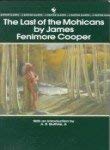
James Fenimore Cooper’s The Last of the Mohicans (1826), the second book in his Leatherstocking Tales series, remains a cornerstone of early American literature, both celebrated and critiqued for its ambitious portrayal of a formative period in North American history. Set during the French and Indian War, the novel is as much a sweeping adventure as it is an examination of cultural conflict, identity, and the inexorable march of colonial expansion.
A Narrative of Wilderness and Conflict
At its heart, The Last of the Mohicans is an odyssey through the untamed wilderness of New York’s frontier. The story follows Hawkeye, a rugged frontiersman; his Native American companions, Chingachgook and his son Uncas, the titular “last of the Mohicans”; and a cast of British soldiers and civilians navigating the perils of war and nature. The plot, laden with daring rescues, treacherous betrayals, and harrowing chases, reflects Cooper’s gift for rendering the drama of the human spirit against the indifference of the natural world.
Cooper’s prose is richly descriptive, often bordering on the romantic. The forests, rivers, and mountains emerge as more than mere settings—they become characters in their own right, embodying the sublime beauty and lethal unpredictability of the frontier. Yet, his penchant for detail sometimes veers into prolixity, testing the patience of modern readers.
Themes of Cultural Collision and Loss
Beneath the novel’s adventurous surface lies a nuanced exploration of cultural interactions between European settlers and Indigenous peoples. Cooper contrasts the stoicism and honor of Chingachgook and Uncas with the duplicity of Magua, a Huron antagonist driven by personal vendettas and cultural dislocation. Through these characters, Cooper simultaneously romanticizes and stereotypes Native Americans, encapsulating the paradox of his era’s attitudes.
The novel grapples with the inevitability of cultural extinction, a theme poignantly embodied in Uncas’s tragic demise. As the “last” of his line, Uncas becomes a symbol of the vanishing Native American presence amidst the encroachment of European settlers. Cooper’s elegiac tone underscores a sense of mourning, though it is tinged with a paternalistic perspective that reinforces the superiority of European-American civilization.
Narrative Strengths and Criticisms
One of Cooper’s enduring achievements is his creation of Natty Bumppo, or Hawkeye, who stands as a quintessential figure of American literature. A man caught between worlds—European by birth but Native in spirit—Hawkeye embodies the idealized frontier ethos: resourceful, morally steadfast, and fiercely independent. Yet, his monologues can feel overwrought, occasionally slowing the narrative’s momentum.
Cooper’s treatment of gender also invites scrutiny. Cora Munro, one of the novel’s heroines, emerges as a complex figure, marked by courage and moral fortitude. However, her mixed-race heritage and eventual fate suggest underlying anxieties about race and purity. Alice, her sister, functions more conventionally as a damsel in distress, reflecting the limited scope of female agency in the text.
Legacy and Relevance
Despite its flaws—anachronistic dialogue, uneven pacing, and problematic portrayals of race—The Last of the Mohicansremains a seminal work. It captures a mythic vision of America’s past, one that continues to resonate in discussions of national identity and cultural memory. Cooper’s ability to evoke the majesty of the natural world and the moral complexities of his characters ensures the novel’s place in the American literary canon.
For the modern reader, The Last of the Mohicans is both a product of its time and a mirror for contemporary concerns about identity, belonging, and the consequences of conquest. It demands to be read with a critical eye but rewards those who engage with its layers of meaning.
James Fenimore Cooper’s The Last of the Mohicans offers an indelible portrait of the American frontier, fraught with adventure and tragedy. While it reveals the prejudices and limitations of its author’s perspective, it also illuminates the cultural and historical tensions that shaped early America. As a literary artifact, it invites both admiration and interrogation, standing as a testament to the power of storytelling to reflect and shape national consciousness.
Discover more from The New Renaissance Mindset
Subscribe to get the latest posts sent to your email.
 The New Renaissance Mindset