

An Inquiry into Conscious Creation At first encounter, Ask and It Is Given: Learning to Manifest Your Desires (2004) presents itself as a self-help manual grounded in metaphysical doctrine. Yet beneath its ostensibly prescriptive surface lies a richly textured text that invites literary and cultural scrutiny. Esther Hicks, channeling the entity known as “Abraham,” delivers a series … Continue reading The Adaptable Educator’s Book Review – Ask and It Is Given: Learning to Manifest Your Desires by Ester & Jerry Hicks

The Adaptable Educator’s Book Review – Frida Kahlo: The Paintings by Hayden Herrera
Hayden Herrera’s Frida Kahlo: The Paintings stands as both a sumptuous visual compendium and a rigorous critical study, weaving together biographical narrative, art-historical inquiry, and cultural commentary. Where many surveys of Kahlo’s oeuvre risk reducing her work to superficial symbols of martyrdom or kitsch, Herrera insists on treating each canvas as a complex text—one that demands close … Continue reading The Adaptable Educator’s Book Review – Frida Kahlo: The Paintings by Hayden Herrera

The Adaptable Educator’s Book Review – 500 Raku: Bold Explorations of a Dynamic Ceramics Technique, Edited by Ray Hemachandra
Ray Hemachandra’s 500 Raku: Bold Explorations of a Dynamic Ceramics Technique is more than a visual catalogue—it is a philosophical document. As part of the “500 Series” published by Lark Books, this volume continues the series’ tradition of curatorial excellence, presenting a collection of works that not only celebrate a specific craft but also probe the limits … Continue reading The Adaptable Educator’s Book Review – 500 Raku: Bold Explorations of a Dynamic Ceramics Technique, Edited by Ray Hemachandra
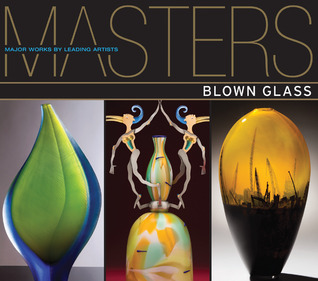
The Adaptable Educator’s Book Review – Masters: Blown Glass: Curated by Susan Rossi-Wilcox and edited by Ray Hemachandra
Before delving into detailed analysis, this review establishes that Masters: Blown Glass: Major Works by Leading Artists(2010) is a seminal survey of forty studio‐glass practitioners from North America, Europe, and Asia, curated by Susan Rossi-Wilcox and edited by Ray Hemachandra, which foregrounds the conceptual breadth and technical virtuosity of contemporary blown glass. The volume’s generous format—330 … Continue reading The Adaptable Educator’s Book Review – Masters: Blown Glass: Curated by Susan Rossi-Wilcox and edited by Ray Hemachandra
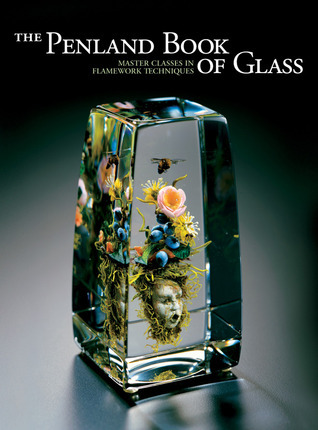
The Adaptable Educator’s Book Review – The Penland Book of Glass: Master Classes in Framework Techniques, Edited by Ray Hemachandra
The Penland Book of Glass: Master Classes in Framework Techniques by Ray Hemachandra is a magisterial contribution to contemporary glass artistry, offering both a panoramic survey of framework methods and an intimate glimpse into the creative processes of some of today’s most innovative practitioners. Hemachandra, himself a seasoned educator at the storied Penland School of Crafts, … Continue reading The Adaptable Educator’s Book Review – The Penland Book of Glass: Master Classes in Framework Techniques, Edited by Ray Hemachandra
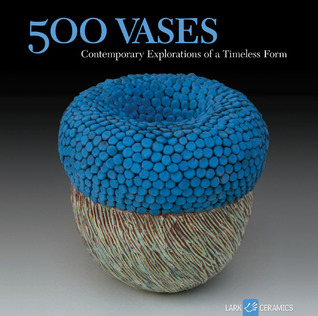
The Adaptable Educator’s Book Review – 500 Vases: Contemporary Explorations of a Timeless Form by Ray Hemachandra
Ray Hemachandra’s 500 Vases: Contemporary Explorations of a Timeless Form situates the humble vase at the intersection of functional craft and high art. By juxtaposing a broad array of contemporary practitioners—from established maestros to emerging voices—Hemachandra underscores the vase’s enduring capacity to inspire innovation. As a reference work, it collects photographic documentation of five hundred distinct forms … Continue reading The Adaptable Educator’s Book Review – 500 Vases: Contemporary Explorations of a Timeless Form by Ray Hemachandra
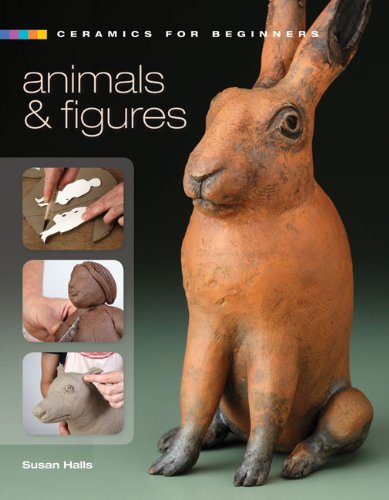
The Adaptable Educator’s Book Review – Ceramics for Beginners: Animals & Figures by Susan Halls
Susan Halls’s Ceramics for Beginners: Animals & Figures positions itself at the intersection of pedagogical clarity and sculptural imagination. Aimed squarely at novices, this volume nevertheless aspires—even at the introductory level—to cultivate both technical facility and aesthetic sensibility in its readers. As a literary scholar might probe a text for subtext, narrative arc, and ideological underpinnings, so … Continue reading The Adaptable Educator’s Book Review – Ceramics for Beginners: Animals & Figures by Susan Halls

The Adaptable Educator’s Book Review – Art Forms in Nature by Ernst Haeckel
Ernst Haeckel’s Art Forms in Nature (original German title: Kunstformen der Natur, first published between 1899 and 1904) stands at a fascinating crossroads of science, art, and philosophy. Though often referenced primarily for its breathtaking lithographs of organisms—radiolarians, diatoms, jellyfish, and countless other invertebrates—Haeckel’s work extends far beyond mere naturalistic illustration. He fashioned a visual and intellectual manifesto … Continue reading The Adaptable Educator’s Book Review – Art Forms in Nature by Ernst Haeckel

The Adaptable Educator’s Book Review – Craft Perception and Practice: A Canadian Discourse, Vol. 2, edited by Paula Gustafson
Craft Perception and Practice: A Canadian Discourse, Vol. 2, edited by Paula Gustafson, represents a pivotal moment in the evolution of Canadian craft scholarship. Published by Ronsdale Press in 2005, this volume collects twenty-two essays and critical commentaries by nineteen independent critics, curators, professional artists, art historians, and studio art instructors. By bringing together voices … Continue reading The Adaptable Educator’s Book Review – Craft Perception and Practice: A Canadian Discourse, Vol. 2, edited by Paula Gustafson

The Adaptable Educator’s Book Review – 500 Figures in Clay: Ceramic Artists Celebrate the Human Form,” edited by Veronika Alice Gunter
“500 Figures in Clay: Ceramic Artists Celebrate the Human Form,” edited by Veronika Alice Gunter, is an ambitious compendium that seeks to investigate one of the most enduring subjects in art— the human figure—through the tactile and revelatory medium of clay. In assembling the work of five hundred contemporary ceramicists from around the world, Gunter … Continue reading The Adaptable Educator’s Book Review – 500 Figures in Clay: Ceramic Artists Celebrate the Human Form,” edited by Veronika Alice Gunter
 The New Renaissance Mindset