
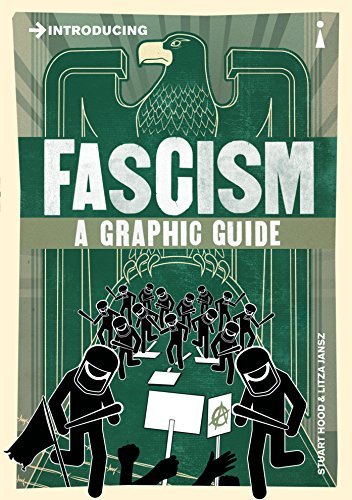
Litza Jansz’s Introducing Fascism: A Graphic Guide presents a concise and visually engaging exploration of one of the most complex and contentious ideologies of the 20th century. In this unique format blending insightful text with striking illustrations by Richard Appignanesi, Jansz navigates the intricate history and ideology of fascism, offering readers a comprehensive introduction that is both accessible and thought-provoking.
The book begins by defining fascism not merely as a political movement but as a multifaceted phenomenon that intertwines nationalism, authoritarianism, and radical ideology. Through clear and concise language, Jansz elucidates the origins of fascism in the aftermath of World War I, its rise in interwar Europe, and its subsequent manifestations across different cultural and historical contexts. This chronological approach provides readers with a coherent framework to understand how fascism evolved and adapted in response to various socio-political climates.
One of the standout features of Introducing Fascism is its effective use of visual storytelling. Richard Appignanesi’s illustrations complement Jansz’s narrative by visually depicting key figures, events, and symbols associated with fascism. This integration of images not only enhances the reader’s comprehension but also adds a layer of emotional and historical context that is essential for grasping the impact of fascism on societies.
Jansz does not shy away from addressing the complexities and contradictions within fascist ideologies. She critically examines the role of charismatic leaders, propaganda, and the manipulation of mass psychology in sustaining fascist regimes. Moreover, the book explores the intersection of fascism with racism, totalitarianism, and militarism, shedding light on how these elements contributed to the devastating consequences of fascist rule during the 20th century.
While Introducing Fascism provides a comprehensive overview, it also encourages readers to reflect on contemporary issues and potential parallels with current political movements. Jansz emphasizes the importance of vigilance against the resurgence of fascist tendencies, making a compelling case for historical awareness as a safeguard against the erosion of democratic principles.
In conclusion, Litza Jansz’s Introducing Fascism: A Graphic Guide stands out as an indispensable resource for anyone seeking a thorough understanding of fascism’s origins, characteristics, and enduring legacy. Its accessible format, combined with rigorous scholarship and evocative visuals, makes it not only a valuable educational tool but also a compelling read for those interested in history, politics, and the ongoing struggle for democratic ideals.
This book is a testament to Jansz’s expertise as a scholar and her ability to distill complex historical phenomena into a format that is both engaging and intellectually rigorous. Introducing Fascism is a timely reminder of the dangers of totalitarian ideologies and a call to vigilance against their resurgence in today’s world.
Discover more from The New Renaissance Mindset
Subscribe to get the latest posts sent to your email.
 The New Renaissance Mindset
Nice review
LikeLiked by 1 person
Thank you
LikeLiked by 2 people