
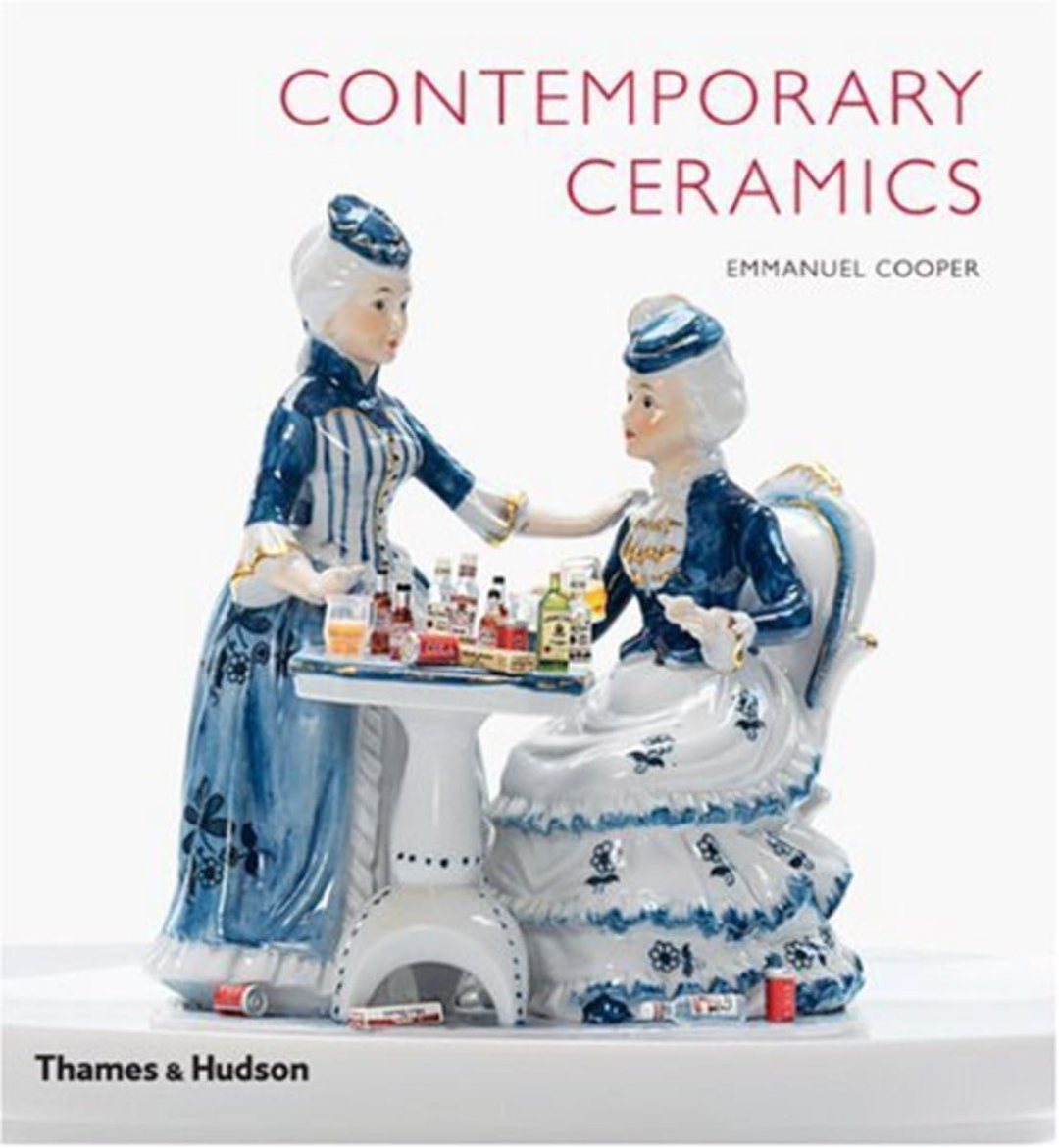
In Contemporary Ceramics, Emmanuel Cooper crafts a remarkable tapestry that examines the evolving landscape of ceramic art in the modern era. The book is not merely an anthology of exquisite works or a technical manual but a deep interrogation of the interplay between materiality, concept, and cultural context. For scholars, practitioners, and connoisseurs of ceramics, this text is both a treasure trove of information and a stimulus for reflection.
Exploration of the Material and Beyond
Cooper’s focus extends far beyond the clay body, glazes, and firing processes. Instead, he investigates ceramics as a language—a medium for storytelling, identity expression, and socio-political commentary. His ability to situate contemporary ceramic practice within the broader trajectory of art history is particularly compelling. Cooper bridges ancient traditions with the postmodern sensibilities of artists who challenge the boundaries of form and function.
The text is peppered with references to prominent ceramicists, such as Grayson Perry, Magdalene Odundo, and Bernard Leach, situating their contributions within a dynamic continuum. Cooper doesn’t shy away from exploring how these artists grapple with issues like globalization, environmental degradation, and cultural appropriation, demonstrating that ceramics is not only about beauty but also about engaging with the pressing concerns of our time.
A Curatorial Masterpiece
Structurally, the book is both methodical and expansive. Cooper divides the text into thematic sections—craftsmanship, innovation, and cultural identity—offering readers a lens to view the infinite possibilities of clay. This organization ensures that the book serves as a reference guide for those seeking specific insights while maintaining its readability as a narrative.
The visual components of the book are equally stunning. High-resolution photographs accompany each discussion, providing an intimate view of texture, color, and form. Cooper’s commentary complements the images, creating a dialogue between text and visual elements. These visuals are not mere illustrations but integral to the reader’s understanding of the tactile and aesthetic qualities of ceramics.
Critical Insights on Craft and Concept
One of Cooper’s most notable achievements is his nuanced treatment of the tension between craft and art. In a world where ceramics is often relegated to the realm of “applied arts,” Cooper argues persuasively for its rightful place in the pantheon of contemporary art. He delves into the philosophical debates surrounding utility and ornamentation, examining how artists either embrace or subvert these traditions.
His discussion of gender and identity within ceramics is particularly enlightening. Cooper highlights how ceramics, historically dismissed as “women’s work,” has been reclaimed and reimagined by feminist and queer artists. This reframing transforms the medium into a site of resistance and innovation, reflecting broader societal shifts.
Limitations and Opportunities
While Contemporary Ceramics is a masterclass in scholarship, it occasionally falters in its breadth. Some regions and practices—particularly those from underrepresented cultures—receive less attention than they deserve. This omission is a missed opportunity to celebrate the truly global nature of ceramics in the 21st century. Nonetheless, this limitation does not detract significantly from the book’s overall impact.
Contemporary Ceramics by Emmanuel Cooper is an indispensable text for anyone invested in the ceramic arts. It succeeds in elevating the discourse surrounding ceramics, offering a comprehensive and thought-provoking exploration of the medium’s past, present, and future. Cooper’s writing is at once erudite and accessible, ensuring its appeal to a wide audience.
By the final page, the reader is left with a profound appreciation for ceramics—not just as objects of beauty, but as vessels of meaning, history, and innovation. Cooper invites us to view clay not merely as a material but as a mirror to our humanity. For that reason alone, this book deserves a place on the shelf of every serious art scholar and practitioner.
Discover more from The New Renaissance Mindset
Subscribe to get the latest posts sent to your email.
 The New Renaissance Mindset