

Mpho Tshivhase, a contemporary philosopher, emphasizes the importance of individual uniqueness and the ethical responsibility of recognizing and valuing this uniqueness. Drawing from her philosophy, one can critically analyze the interconnectedness and unsustainability of colonialism, nationalism, imperialism, and capitalism. These systems, historically and contemporarily, often operate in ways that undermine the recognition and appreciation of … Continue reading Unraveling the Threads of Exploitation: Examining Interconnectivity and Sustainable Alternatives to Colonialism, Nationalism, Imperialism, and Capitalism

The Adaptable Educator’s Book Review – Postmodern Ceramics by Mark Del Vecchio
Mark Del Vecchio’s Postmodern Ceramics stands as a seminal exploration of the interplay between ceramics and the broader cultural, philosophical, and aesthetic currents of postmodernism. Written with a keen eye for detail and a profound understanding of art history, Del Vecchio elevates ceramics from its traditionally undervalued position as a "craft" to a legitimate and provocative medium … Continue reading The Adaptable Educator’s Book Review – Postmodern Ceramics by Mark Del Vecchio

Rethinking Modernity: Charles Taylor’s Vision for Sustainable Alternatives to Colonialism, Nationalism, Imperialism, and Capitalism
Charles Margrave Taylor, a prominent philosopher, has contributed significantly to our understanding of modernity, identity, and political theory. His work offers a valuable lens to examine the interconnectivity and unsustainability of colonialism, nationalism, imperialism, and capitalism. Let's explore these concepts through Taylor's perspectives and then discuss sustainable alternatives with real-world examples. Interconnectivity and Unsustainability Colonialism … Continue reading Rethinking Modernity: Charles Taylor’s Vision for Sustainable Alternatives to Colonialism, Nationalism, Imperialism, and Capitalism

The Adaptable Educator’s Book Review – 20th Century Ceramics by Edmund de Waal
Edmund de Waal's 20th Century Ceramics is not merely a book about clay—it is an intellectual odyssey into the modern history of ceramic art, a medium often relegated to the periphery of fine art discourse. De Waal, himself a potter and writer of exceptional sensitivity, brings to the subject a dual perspective: as both practitioner and historian. … Continue reading The Adaptable Educator’s Book Review – 20th Century Ceramics by Edmund de Waal
Ego and the Unsustainability of Power: Stirner’s Critique of Colonialism, Nationalism, Imperialism, and Capitalism, and Pathways to Sustainable Alternatives
Max Stirner, a German philosopher known for his work "The Ego and Its Own," is often associated with existentialism, individualism, and anarchism. His philosophy centers around the concept of the "ego" as the ultimate authority and rejects all forms of societal constraints, such as religion, state, and traditional moral values. Drawing on Stirner's ideas, we … Continue reading Ego and the Unsustainability of Power: Stirner’s Critique of Colonialism, Nationalism, Imperialism, and Capitalism, and Pathways to Sustainable Alternatives

The Adaptable Educator’s Book Review – An Apple a Day: Health in Every Realm by Stephen De Silva
Stephen De Silva's An Apple a Day: Health in Every Realm delivers an ambitious synthesis of personal well-being, blending insights from physical, emotional, spiritual, and relational health into a cohesive manifesto for modern living. More than a guide, this book functions as a multidisciplinary inquiry into how we define and pursue holistic health in an era fragmented … Continue reading The Adaptable Educator’s Book Review – An Apple a Day: Health in Every Realm by Stephen De Silva

The Adaptable Educator’s Book Review – The 120 Days of Sodom by Marquis de Sade
The Marquis de Sade’s The 120 Days of Sodom (1785) is a literary abyss—a work that dares readers to confront the darker recesses of human desire, power, and moral decay. Written in the stifling confines of the Bastille, this incomplete novel serves both as a harrowing testament to de Sade’s unrelenting imagination and as a polemic against … Continue reading The Adaptable Educator’s Book Review – The 120 Days of Sodom by Marquis de Sade
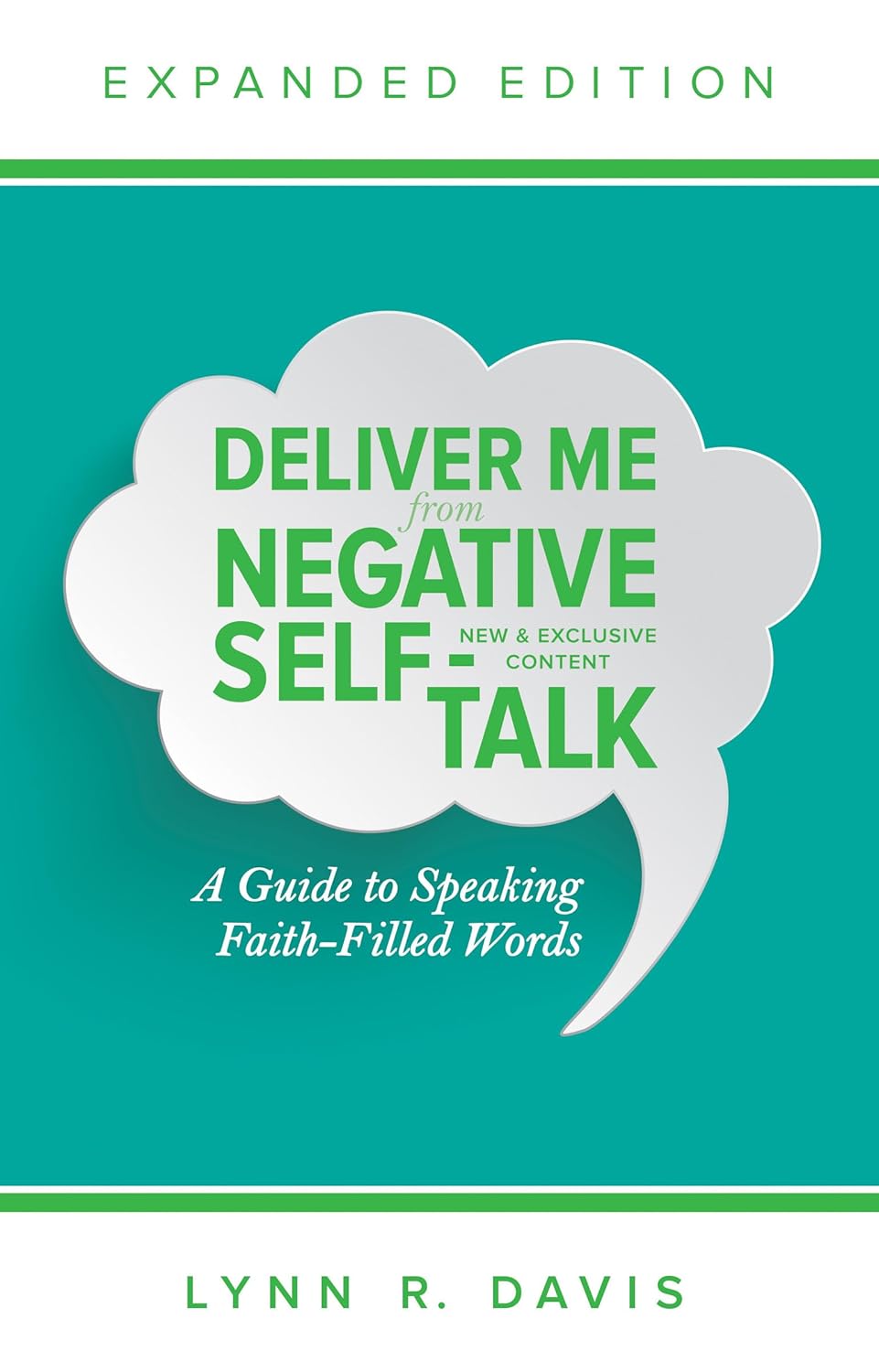
The Adaptable Educator’s Book Review – “Deliver Me From Negative Self-Talk: A Guide to Speaking Faith-Filled Words” by Lynn R. Davis
Lynn R. Davis’s Deliver Me From Negative Self-Talk emerges as a poignant guide for anyone grappling with the self-defeating narratives that hinder personal and spiritual growth. With its succinct structure and accessible prose, this book transcends the realm of traditional self-help, inviting readers into a transformative journey of faith and affirmation. Davis centers her approach on the … Continue reading The Adaptable Educator’s Book Review – “Deliver Me From Negative Self-Talk: A Guide to Speaking Faith-Filled Words” by Lynn R. Davis
The Shadows of Power: Unmasking the Ethical and Practical Unsustainability of Modern Ideologies
Socrates, the classical Greek philosopher known for his method of questioning and dialogue, did not directly address modern concepts like colonialism, nationalism, imperialism, and capitalism. However, using Socratic principles of ethics, justice, and the pursuit of knowledge, we can explore the interconnectivity and unsustainability of these ideologies. Interconnectivity of Colonialism, Nationalism, Imperialism, and Capitalism Colonialism … Continue reading The Shadows of Power: Unmasking the Ethical and Practical Unsustainability of Modern Ideologies

The Adaptable Educator’s Book Review – How to Write a Children’s Book by Katie Davis
Katie Davis's How to Write a Children’s Book serves as both a roadmap and an inspiration for aspiring writers seeking to navigate the enchanting yet challenging world of children’s literature. With her seasoned expertise and approachable tone, Davis crafts a guide that is as practical as it is empowering, balancing technical advice with heartfelt encouragement. An Accessible … Continue reading The Adaptable Educator’s Book Review – How to Write a Children’s Book by Katie Davis
 The New Renaissance Mindset