

The inclusion of folk tales in educational curricula offers multifaceted benefits to various stakeholders, including students, educators, and society at large. The exploration of folk tales in classrooms is not merely an engagement with cultural artifacts but a profound educational tool that fosters cognitive, social, and emotional development. This essay examines the primary beneficiaries of … Continue reading Harnessing the Power of Folk Tales in Education: Cognitive, Cultural, and Ethical Enrichment for Students and Society
Scegliere Fiabe Popolari per un Curriculum Inclusivo: Promuovere la Diversità nelle Classi Moderne
Incorporare le fiabe popolari nel curriculum può essere un potente strumento per promuovere l'inclusività e riflettere la diversità delle classi moderne. Le fiabe popolari, essendo storie tradizionali tramandate attraverso le generazioni, offrono ricche intuizioni culturali e lezioni morali che risuonano con vari gruppi di età. Se selezionate con cura, possono aiutare gli studenti ad apprezzare … Continue reading Scegliere Fiabe Popolari per un Curriculum Inclusivo: Promuovere la Diversità nelle Classi Moderne
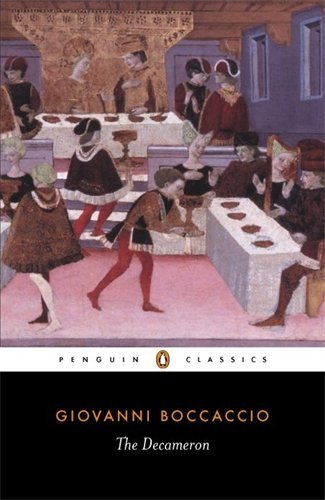
Wednesday’s Classic-Book Report: The Decameron by Giovanni Boccaccio
Giovanni Boccaccio's The Decameron, composed in the mid-14th century, is a cornerstone of Italian literature and a significant work in the canon of world literature. Written in the wake of the Black Death, this collection of 100 tales told by ten young people—seven women and three men—offers a multifaceted view of human life and society in … Continue reading Wednesday’s Classic-Book Report: The Decameron by Giovanni Boccaccio
Selección de Cuentos Populares para un Currículo Inclusivo: Mejorando la Diversidad en las Aulas Modernas
Incorporar cuentos populares en el currículo puede ser una herramienta poderosa para promover la inclusividad y reflejar la diversidad de las aulas modernas. Los cuentos populares, como historias tradicionales transmitidas a través de generaciones, ofrecen ricas perspectivas culturales y lecciones morales que resuenan con diversos grupos de edad. Cuando se seleccionan cuidadosamente, pueden ayudar a … Continue reading Selección de Cuentos Populares para un Currículo Inclusivo: Mejorando la Diversidad en las Aulas Modernas
Choisir des Contes Populaires pour un Programme Inclusif: Renforcer la Diversité dans les Classes Modernes
Incorporer des contes populaires dans le programme scolaire peut être un outil puissant pour promouvoir l'inclusivité et refléter la diversité des classes modernes. Les contes populaires, en tant qu'histoires traditionnelles transmises de génération en génération, offrent de riches perspectives culturelles et des leçons morales qui résonnent avec différents groupes d'âge. Lorsqu'ils sont soigneusement sélectionnés, ils … Continue reading Choisir des Contes Populaires pour un Programme Inclusif: Renforcer la Diversité dans les Classes Modernes
Choosing Folk Tales for an Inclusive Curriculum: Enhancing Diversity in Modern Classrooms
Incorporating folk tales into the curriculum can be a powerful tool for promoting inclusivity and reflecting the diversity of modern classrooms. Folk tales, as traditional stories passed through generations, offer rich cultural insights and moral lessons that resonate with various age groups. When carefully selected, they can help students appreciate cultural diversity, foster empathy, and … Continue reading Choosing Folk Tales for an Inclusive Curriculum: Enhancing Diversity in Modern Classrooms

Weekend Book Reviews: Kakuzo Okakura’s “The Book of Tea”
Kakuzo Okakura's "The Book of Tea" stands as a timeless classic in the realm of literature, philosophy, and cultural studies. Originally published in 1906, this small yet profound work continues to captivate readers with its eloquent exploration of tea and its deep-seated significance in Japanese culture and beyond. At its heart, Okakura's book is a … Continue reading Weekend Book Reviews: Kakuzo Okakura’s “The Book of Tea”

Weekend Book Reviews: STEAM Kids: 50+ Science / Technology / Engineering / Art / Math Hands-On Projects for Kids by Anne Carey
Anne Carey's "STEAM Kids" is a delightful and informative compendium designed to ignite the curiosity and creativity of young minds through engaging projects that span the realms of Science, Technology, Engineering, Art, and Mathematics (STEAM). Aimed at children and educators alike, this book presents over 50 hands-on activities that seamlessly blend these disciplines, encouraging interdisciplinary … Continue reading Weekend Book Reviews: STEAM Kids: 50+ Science / Technology / Engineering / Art / Math Hands-On Projects for Kids by Anne Carey

Friday’s Fiction Review – The Exorcist by William Peter Blatty
William Peter Blatty's "The Exorcist" is a seminal work in the horror genre, blending supernatural terror with profound theological and philosophical questions. Drawing from a real-life exorcism that took place in 1949, Blatty crafts a narrative that delves into the ancient battle between good and evil, making readers question the nature of faith, the existence … Continue reading Friday’s Fiction Review – The Exorcist by William Peter Blatty
Migliorare l’Educazione Interdisciplinare attraverso l’Insegnamento dei Racconti Popolari
L'insegnamento dei racconti popolari offre un approccio ricco e sfaccettato all'educazione che può migliorare varie materie all'interno di un modello educativo interdisciplinare. I racconti popolari, con i loro temi universali, le diverse origini culturali e le narrazioni coinvolgenti, forniscono una risorsa inestimabile per gli educatori che mirano a creare un'esperienza di apprendimento olistica e integrata. … Continue reading Migliorare l’Educazione Interdisciplinare attraverso l’Insegnamento dei Racconti Popolari
 The New Renaissance Mindset