

Art serves as a mirror reflecting the cultural, social, and artistic influences of a particular era. This analysis aims to compare and contrast two artworks from the early 20th century: "La Bonheur de Vivre" by Henri Matisse and "Beaver" by Grueby Faience Company. These works exemplify the artistic expressions of their respective time periods while … Continue reading Compare and contrast La Bonheur de Vivre by Henri Matisse to Beaver by Grueby Faience Company – An ‘Isms’ Overview

Compare and contrast Woman with a Large Hat by Kees Van Dongen to Interior Scroll by Carolee Schneemann – An ‘Isms’ Overview
Artistic expression is a reflection of cultural, social, and personal contexts. This analysis aims to compare and contrast two influential works of art: "Woman with a Large Hat" (1906) by Kees Van Dongen and "Interior Scroll" (1975) by Carolee Schneemann. Through examining their respective mediums, subject matter, and historical contexts, we can gain insight into … Continue reading Compare and contrast Woman with a Large Hat by Kees Van Dongen to Interior Scroll by Carolee Schneemann – An ‘Isms’ Overview

Compare and contrast Le Sechage des voiles (The Drying Sails) by Andre Derain to Mountain and Sea by Helen Frankenthaler – An ‘Isms’ Overview
Artistic expression has evolved throughout history, reflecting the changing contexts and perspectives of artists. This analysis aims to compare and contrast two significant paintings from different periods: André Derain's "Le Séchage des Voiles" (1905) and Helen Frankenthaler's "Mountain and Sea" (1952). By examining their respective artistic styles, subject matter, and influences, we can gain insights … Continue reading Compare and contrast Le Sechage des voiles (The Drying Sails) by Andre Derain to Mountain and Sea by Helen Frankenthaler – An ‘Isms’ Overview

Compare and contrast Woman with a Hat by Henri Matisse to Self-Portrait as a Soldier by Ernst Ludwig Kirchner – An ‘Isms’ Overview
Henri Matisse's "Woman with a Hat" (1905) and Ernst Ludwig Kirchner's "Self-Portrait as a Soldier" (1915) are two significant artworks that emerged during the early 20th century. These paintings, created in different years by different artists, depict contrasting subject matter, styles, and artistic intentions. This analysis aims to explore the distinct characteristics of each artwork … Continue reading Compare and contrast Woman with a Hat by Henri Matisse to Self-Portrait as a Soldier by Ernst Ludwig Kirchner – An ‘Isms’ Overview

Comparing and Contrasting Pablo Picasso’s Les Demoiselles d’Avignon to André Derain’s Charing Cross Bridge, London – An ‘Isms’ Overview
The early 20th century marked a significant period in the development of modern art, particularly through the emergence of Fauvism and Cubism as groundbreaking styles that departed from traditional artistic conventions. This paper compares and contrasts two works of art that are emblematic of these movements: Pablo Picasso's Les Demoiselles d'Avignon (1907) and André Derain's … Continue reading Comparing and Contrasting Pablo Picasso’s Les Demoiselles d’Avignon to André Derain’s Charing Cross Bridge, London – An ‘Isms’ Overview

An ‘Ism’ Overview – Fauvism vs. the Arts & Crafts Movement
Fauvism and the Arts and Crafts movement are two artistic movements that emerged in the late 19th and early 20th centuries, each with its own unique style and philosophy. Fauvism, a French movement led by artists such as Henri Matisse and André Derain, emphasized bold, bright colors and free brushwork, while the Arts and Crafts … Continue reading An ‘Ism’ Overview – Fauvism vs. the Arts & Crafts Movement

An ‘Ism’ Overview – Fauvism vs. Performance Art
In order to compare and contrast Fauvism and Performance Art, it is necessary to first understand the basic principles of each movement. Fauvism, which emerged in France at the turn of the 20th century, is characterized by its use of bold, vivid colors and its rejection of traditional representational techniques. Performance Art, on the other … Continue reading An ‘Ism’ Overview – Fauvism vs. Performance Art
An ‘Ism’ Overview – Fauvism vs. Colour Field
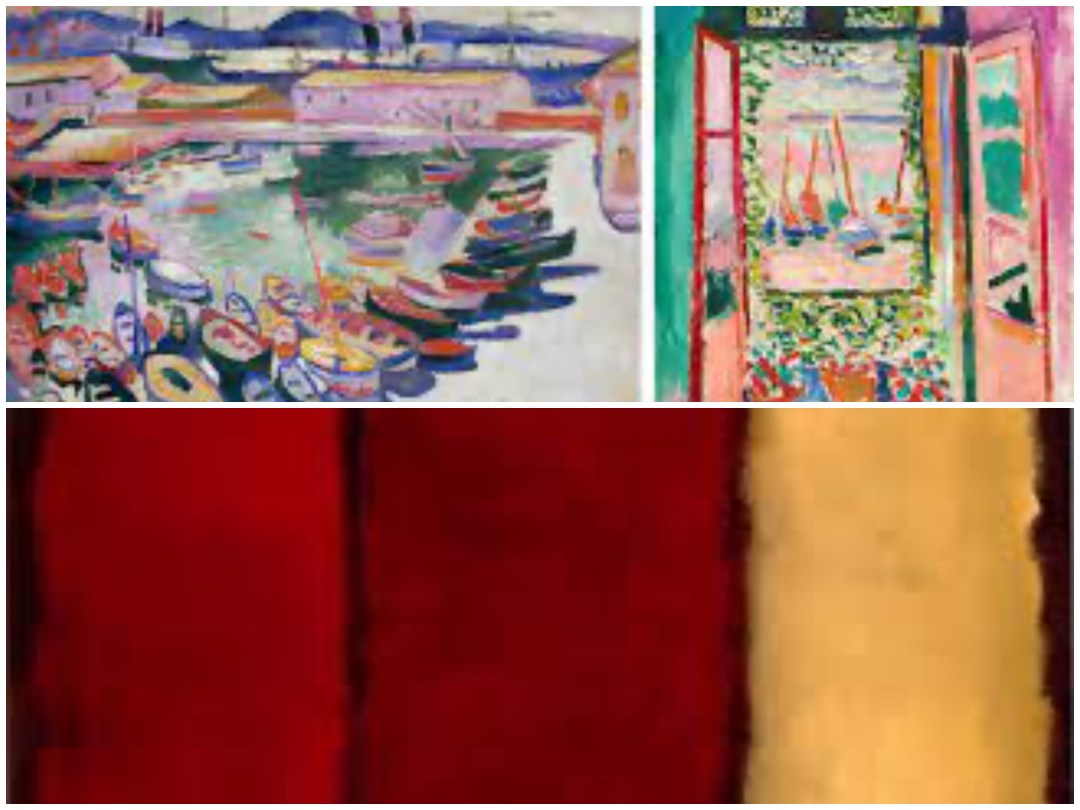
Fauvism and Color Field are two distinct artistic movements that emerged in the 20th century, and while they share a focus on color, their approaches and techniques differ significantly. Fauvism was a movement that emerged in the early 1900s, primarily in France, and was characterized by its use of bright, vivid colors and its bold, … Continue reading An ‘Ism’ Overview – Fauvism vs. Colour Field
An ‘Ism’ Overview – Fauvism vs. Expressionism
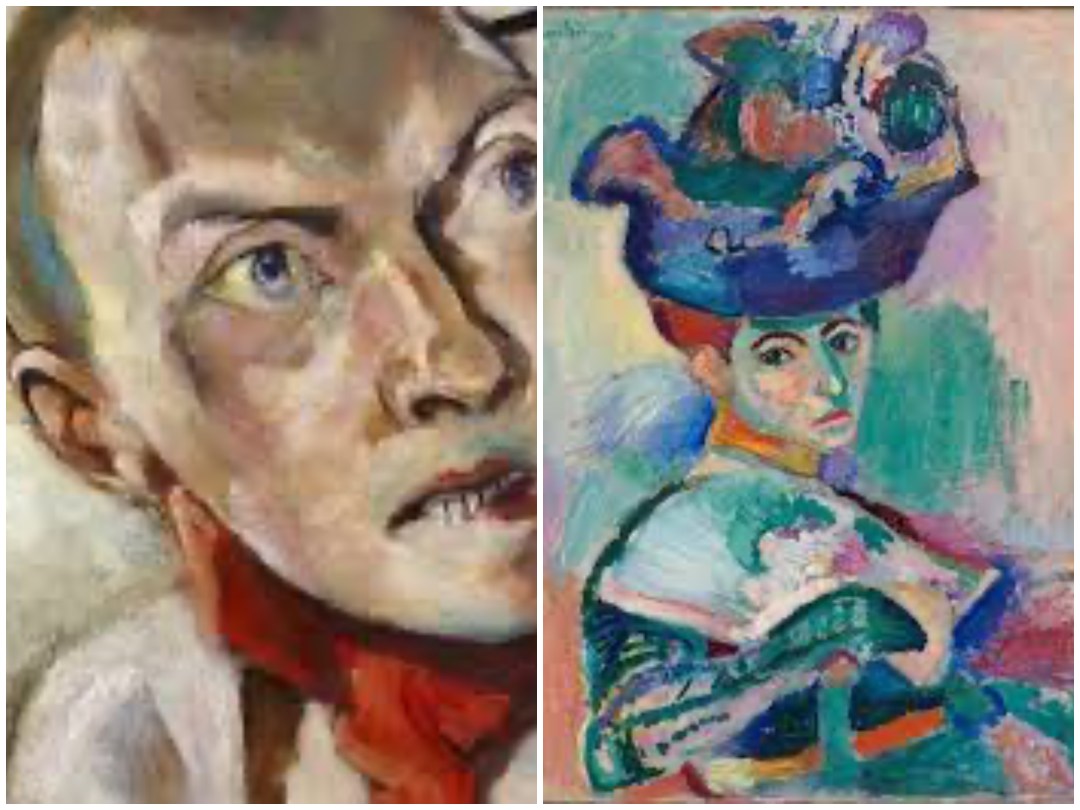
Fauvism and Expressionism are two of the most significant art movements of the early 20th century. While they share some similarities, they differ significantly in their approaches to color, form, and subject matter. In this essay, I will compare and contrast these two movements, focusing on their stylistic and philosophical differences. Fauvism emerged in France … Continue reading An ‘Ism’ Overview – Fauvism vs. Expressionism
An ‘Ism’ Overview – Cubism vs. Fauvism
As I gaze upon the striking canvases of Cubism and Fauvism, I am transported to a world of vibrant color, fragmented forms, and revolutionary techniques. These two movements, emerging at the turn of the 20th century, were born out of a desire to break free from the constraints of traditional artistic conventions and to explore … Continue reading An ‘Ism’ Overview – Cubism vs. Fauvism
 The New Renaissance Mindset