
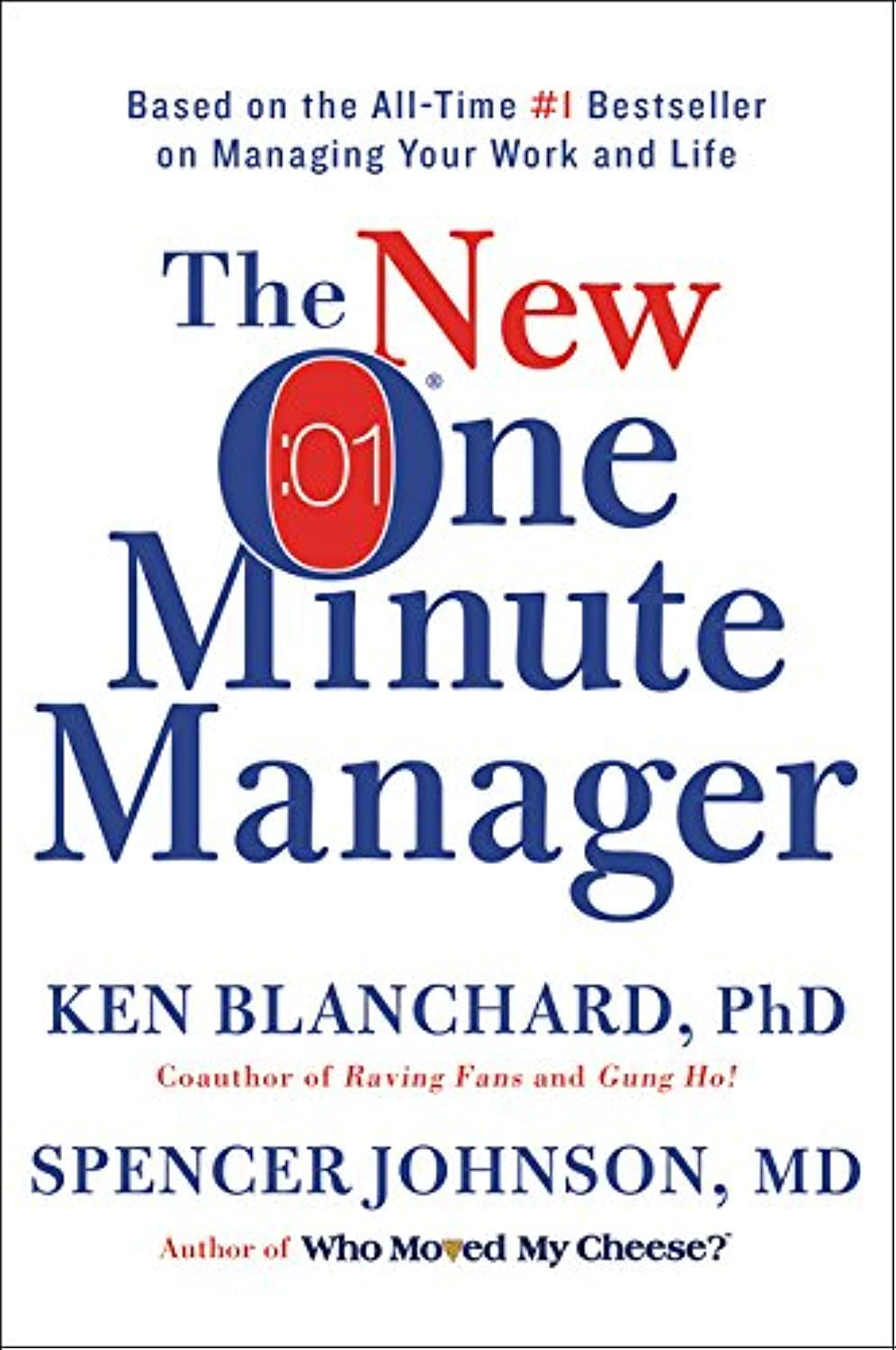
In The One Minute Manager, Kenneth H. Blanchard, in collaboration with Spencer Johnson, distills the complexities of management into a concise, narrative-driven guide. At first glance, its brevity and simplicity might seem at odds with the weighty tomes often associated with management theory. However, Blanchard’s parable-like approach underscores the transformative power of clarity and focus in leadership.
The book’s narrative revolves around a young man seeking to learn what constitutes an effective manager. His journey leads him to the titular “One Minute Manager,” a character who embodies three core practices: One Minute Goals, One Minute Praisings, and One Minute Reprimands. These practices hinge on the power of communication and the manager’s ability to align the needs of the organization with those of its people.
What sets this book apart is its deceptively simple style. Blanchard and Johnson frame their principles in terms of immediacy and impact, echoing the contemporary management mantra that agility and focus yield results. Yet, the text’s simplicity is not synonymous with superficiality. For instance, the principle of One Minute Goals invites a profound reflection on the need for clarity and mutual understanding. Goals are not merely set but shared, ensuring alignment and fostering accountability.
The One Minute Praisings section is perhaps the book’s most resonant. Here, the authors advocate for immediate, specific, and genuine recognition of achievements. This practice taps into a deeply human need for affirmation, illustrating how small acts of acknowledgment can catalyze motivation and productivity. In an era where workplace disengagement often stems from a lack of appreciation, this principle is as relevant today as it was at the book’s publication.
The third cornerstone, One Minute Reprimands, presents a balanced, empathetic approach to correction. While some might critique this as overly prescriptive, it emphasizes that feedback, when delivered with clarity and respect, can serve as a tool for growth rather than a source of alienation.
Critics of The One Minute Manager often point to its brevity as a limitation, arguing that its parable format oversimplifies the complexities of leadership. This critique, while valid, overlooks the book’s intent: it is not a comprehensive manual but a starting point. The book succeeds in sparking introspection and initiating a dialogue about effective management. It invites readers to experiment with its principles, adapting them to their unique organizational contexts.
Ultimately, The One Minute Manager achieves what many management books fail to: it provides actionable insights in a digestible format. Its enduring popularity attests to its timeless relevance. For literary scholars, the text also offers a case study in how simplicity can amplify profundity. It stands as a reminder that, in management and in literature, sometimes the most impactful messages are those delivered with brevity and clarity.
This book is not just for managers seeking quick fixes but for anyone willing to reflect on the fundamental principles of effective communication, recognition, and correction. Through its enduring lessons, The One Minute Manager continues to hold a mirror up to the art and science of leadership.
Discover more from The New Renaissance Mindset
Subscribe to get the latest posts sent to your email.
 The New Renaissance Mindset