
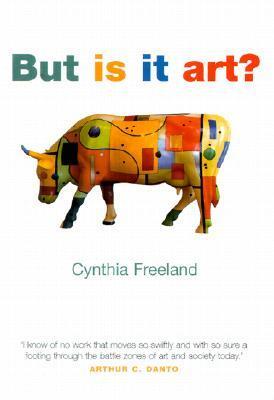
Cynthia A. Freeland’s But Is It Art? is an accessible yet deeply analytical exploration of the philosophical questions that shape our understanding of art. Bridging aesthetics, cultural criticism, and contemporary artistic practices, Freeland provides a framework that is both historically grounded and relevant to modern debates. Her work, though introductory, does not sacrifice intellectual rigor, making it … Continue reading The Adaptable Educator’s Book Review – But Is It Art? An Introduction to Art Theory by Cynthia A. Freeland

The Adaptable Educator’s Book Review – Gustav Klimt, 1862-1918: The World in Female Form by Gottfried Fliedl
Gottfried Fliedl’s Gustav Klimt, 1862-1918: The World in Female Form is an illuminating and erudite study of the Austrian painter’s oeuvre, positioning Klimt’s work within the broader cultural and socio-political contexts of fin-de-siècle Vienna. With scholarly precision and an evident appreciation for Klimt’s radical aesthetic, Fliedl presents a compelling narrative that weaves together biography, artistic philosophy, and … Continue reading The Adaptable Educator’s Book Review – Gustav Klimt, 1862-1918: The World in Female Form by Gottfried Fliedl
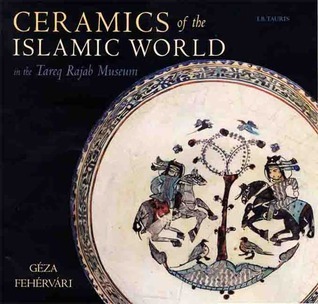
The Adaptable Educator’s Book Review – Ceramics of the Islamic World by Géza Fehérvári
Géza Fehérvári’s Ceramics of the Islamic World is an exquisite and meticulously researched exploration of one of the most significant artistic traditions in Islamic culture. As both an art historian and a scholar of Islamic material culture, Fehérvári offers a study that is as visually rich as it is intellectually rigorous, providing an indispensable reference for scholars, … Continue reading The Adaptable Educator’s Book Review – Ceramics of the Islamic World by Géza Fehérvári
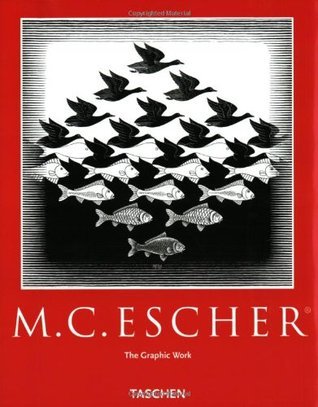
The Adaptable Educator’s Book Review – M.C. Escher: The Graphic Work by M.C. Escher
Mathematical Imagination and the Art of the Impossible Few artists command a space so firmly between the rational and the surreal as Maurits Cornelis Escher. M.C. Escher: The Graphic Work is both a testament to his singular vision and an invitation into a world where reality folds upon itself in recursive patterns, and logic succumbs to paradox. … Continue reading The Adaptable Educator’s Book Review – M.C. Escher: The Graphic Work by M.C. Escher

The Adaptable Educator’s Book Review – Basquiat by Leonhard Emmerling
Leonhard Emmerling’s Basquiat is a concise yet compelling study of Jean-Michel Basquiat, an artist whose work remains an enigmatic synthesis of raw expression, cultural critique, and frenetic creativity. Published as part of Taschen’s accessible art series, this volume offers both an introduction to and a nuanced examination of Basquiat’s meteoric rise and untimely demise. Though compact, Emmerling’s … Continue reading The Adaptable Educator’s Book Review – Basquiat by Leonhard Emmerling

The Adaptable Educator’s Book Review – Wabi Sabi: The Wisdom in Imperfection by Nobuo Suzuki
An Elegy to Transience: The Poetics of Wabi-Sabi in Contemporary Life Nobuo Suzuki’s Wabi Sabi: The Wisdom in Imperfection offers a contemplative and deeply felt meditation on the Japanese aesthetic philosophy of wabi-sabi—a worldview that finds beauty in imperfection, transience, and the unfinished. More than a cultural or artistic study, Suzuki’s work is a philosophical reflection, a poetic … Continue reading The Adaptable Educator’s Book Review – Wabi Sabi: The Wisdom in Imperfection by Nobuo Suzuki
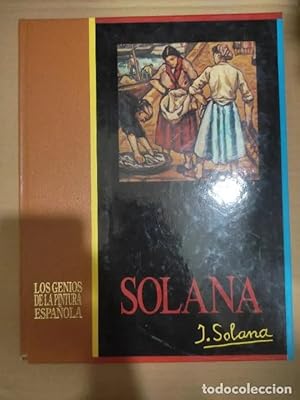
The Adaptable Educator’s Book Review – Solana: Los Genios de la Pintura Española by Ediciones Rayuela
In Solana: Los Genios de la Pintura Española, Ediciones Rayuela provides readers with an eloquent and evocative exploration of the art and life of José Gutiérrez Solana, a painter who captured the soul of Spain's cultural and existential dualities. This richly illustrated volume not only cements Solana’s legacy as a quintessential figure in Spanish art but … Continue reading The Adaptable Educator’s Book Review – Solana: Los Genios de la Pintura Española by Ediciones Rayuela
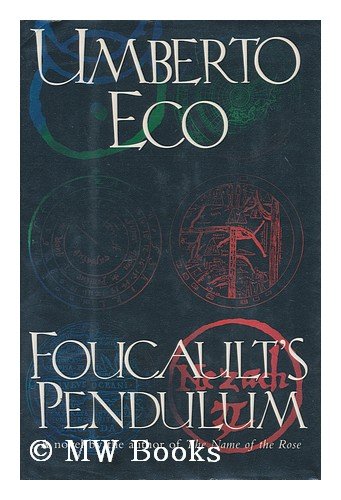
The Adaptable Educator’s Book Review – “Foucault’s Pendulum” by Umberto Eco
In Foucault's Pendulum, Umberto Eco constructs an intricate tapestry of erudition, mystery, and satire, challenging the reader to question not only the nature of truth but the human propensity to impose meaning on the chaotic flux of existence. A meta-textual labyrinth of ideas, the novel synthesizes Eco's hallmark themes of semiotics, historiography, and the seduction of … Continue reading The Adaptable Educator’s Book Review – “Foucault’s Pendulum” by Umberto Eco
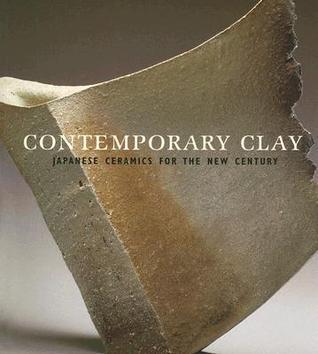
The Adaptable Educator’s Book Review – Contemporary Clay: Japanese Ceramics for the New Century by Joe Earle
Joe Earle’s Contemporary Clay: Japanese Ceramics for the New Century offers a masterful exploration of Japanese ceramic art, presenting a profound dialogue between tradition and innovation in a form that is both scholarly and visually stunning. Earle, a preeminent curator and authority on Japanese art, navigates the complex terrain of contemporary Japanese ceramics with a nuanced appreciation … Continue reading The Adaptable Educator’s Book Review – Contemporary Clay: Japanese Ceramics for the New Century by Joe Earle

The Adaptable Educator’s Book Review – Mindset: The New Psychology of Success by Carol S. Dweck
Carol S. Dweck’s Mindset: The New Psychology of Success is a profound exploration of the psychological framework that underpins human achievement and potential. Drawing from decades of research in developmental and social psychology, Dweck unpacks the pivotal role of one’s mindset—either fixed or growth—in shaping how individuals approach challenges, setbacks, and opportunities. What makes this book particularly … Continue reading The Adaptable Educator’s Book Review – Mindset: The New Psychology of Success by Carol S. Dweck
 The New Renaissance Mindset