
Abstract. Critical Theory, originating with the Frankfurt School, offers educators analytic tools that move students beyond surface reading to interrogate how texts and media reproduce power. This article argues that integrating core critical concepts—ideology critique, the culture industry, reification, and reflexivity—into curriculum design produces measurable gains in critical literacy, civic agency, and equity-centred pedagogy. I … Continue reading Revisionist Pedagogy – Unveiling Power: How Critical Theory Reshapes Literature, Culture, and Society, v.2
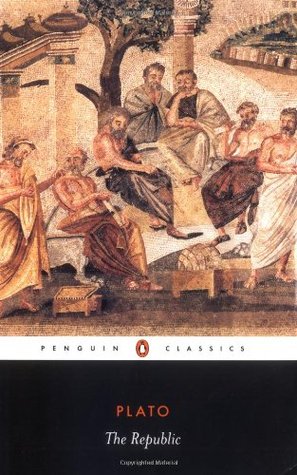
The Adaptable Educator’s Book Review – The Republic by Plato
Plato’s The Republic remains one of those rare books that functions simultaneously as a founding text of political thought, a work of moral psychology, and a sustained exercise in dramatic philosophy. Written as a dialogue with Socrates at its center, it pursues a single, seemingly straightforward question — “What is justice?” — and from that … Continue reading The Adaptable Educator’s Book Review – The Republic by Plato
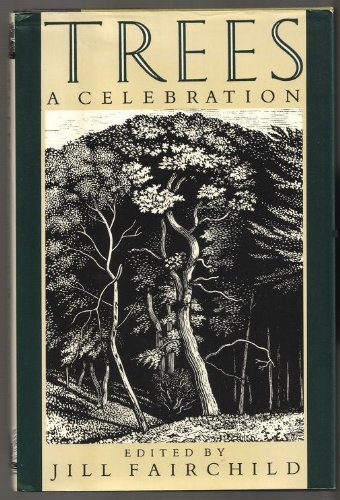
The Adaptable Educator’s book Review – Trees, A Celebration edited by Jill Fairchild
Jill Fairchild’s Trees: A Celebration is less a single narrative than a curated chorus of voices, images, and meditations that together compose an arboreal anthology. As its title suggests, the book is not meant merely to instruct or classify, but to honor. What distinguishes this work from more conventional botanical texts is the way it operates at … Continue reading The Adaptable Educator’s book Review – Trees, A Celebration edited by Jill Fairchild

The Adaptable Educator’s Book Review – Walden by Henri-David Thoreau
Henry David Thoreau’s Walden (1854) stands as a cornerstone of American transcendentalist literature, weaving personal narrative, philosophical reflection, and natural observation into a profound meditation on self-reliance and the art of living. Written after a two-year sojourn in a simple cabin on the shores of Walden Pond in Concord, Massachusetts, Thoreau’s work reflects both his intimate communion … Continue reading The Adaptable Educator’s Book Review – Walden by Henri-David Thoreau

The Adaptable Educator’s Book Review: The Beautiful and the Damned by F. Scott Fitzgerald
F. Scott Fitzgerald’s The Beautiful and the Damned (1922) occupies a curious space in his oeuvre—less structured than The Great Gatsby yet more ambitious in its thematic scope, it is a novel that attempts to dissect the existential crisis of a generation. It is a work that aches with self-awareness, mirroring the author’s own anxieties about love, ambition, and … Continue reading The Adaptable Educator’s Book Review: The Beautiful and the Damned by F. Scott Fitzgerald

The Adaptable Educator’s Book Review: The Dubliners by James Joyce
The Paralyzed Soul of Dublin James Joyce’s Dubliners (1914) is more than a collection of short stories—it is an unflinching dissection of a city and its people, a portrait of spiritual stagnation, and a masterclass in modernist realism. In these fifteen interwoven stories, Joyce strips away the romantic veneer of Irish nationalism and Catholic idealism, exposing instead … Continue reading The Adaptable Educator’s Book Review: The Dubliners by James Joyce

The Adaptable Educator’s Book Review – Pilgrim by Timothy Findley
Timothy Findley’s Pilgrim (1999) is a novel that resists the inertia of conventional historical fiction, weaving a tapestry of existential crisis, psychological inquiry, and the aching weight of history. At its core, Pilgrim is a philosophical meditation on the nature of art, memory, and immortality, told through the hauntingly enigmatic figure of Pilgrim—a man who cannot die. The novel … Continue reading The Adaptable Educator’s Book Review – Pilgrim by Timothy Findley
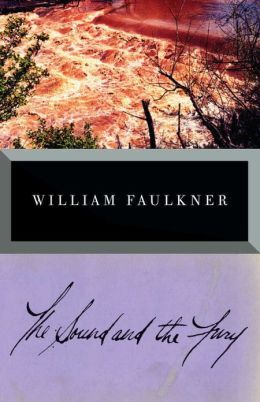
The Adaptable Educator’s Book Review – William Faulkner’s The Sound and the Fury
A Study in Time, Memory, and the Fractured South William Faulkner’s The Sound and the Fury (1929) stands as one of the most audacious achievements in American literature, a novel that does not merely depict the decline of the once-aristocratic Compson family but immerses its readers in the chaos of fractured consciousness, the weight of memory, and … Continue reading The Adaptable Educator’s Book Review – William Faulkner’s The Sound and the Fury
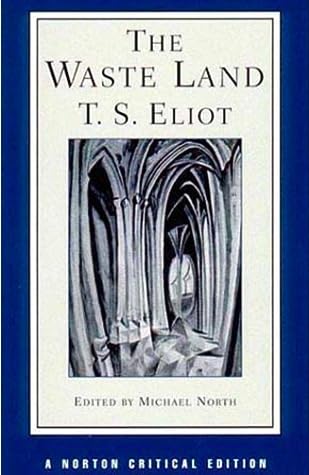
The Adaptable Educator’s Book review – T.S. Eliot’s The Waste Land
The Waste Land: A Fragmented Mirror of ModernityT.S. Eliot’s The Waste Land (1922) remains one of the most enigmatic and revolutionary poems of the 20th century. With its fragmented structure, mythological allusions, and polyphonic voices, the poem embodies the fractured consciousness of the post-war world. Eliot’s dense intertextuality—drawing from sources as varied as Dante, Shakespeare, the Upanishads, … Continue reading The Adaptable Educator’s Book review – T.S. Eliot’s The Waste Land
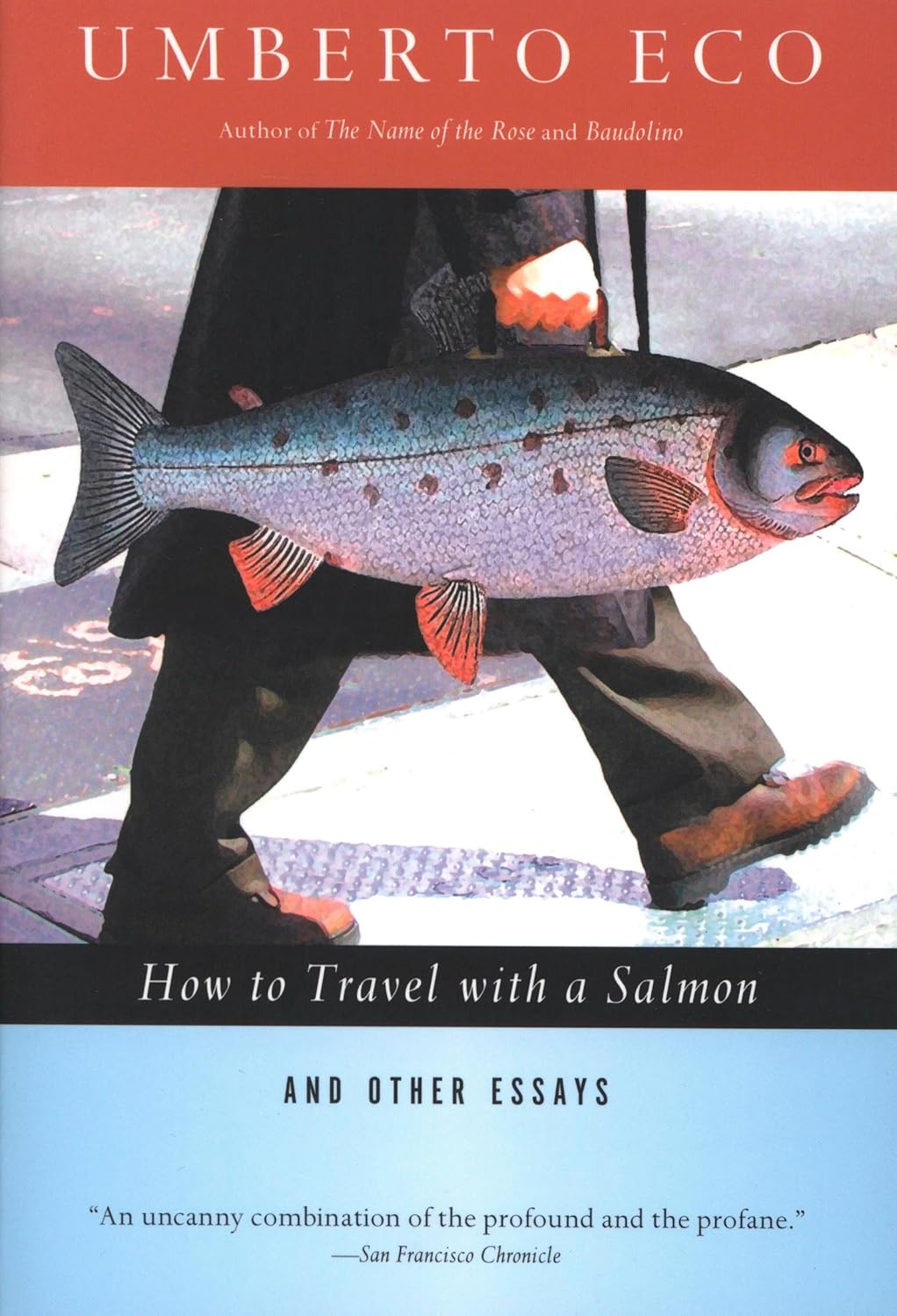
The Adaptable Educator’s Book Review – How to Travel with a Salmon: And Other Essays by Umberto Eco
Umberto Eco’s How to Travel with a Salmon: And Other Essays is a dazzling showcase of wit, erudition, and an almost surgical observation of the absurdities of modern life. This collection, translated by William Weaver, epitomizes Eco’s ability to oscillate effortlessly between the profound and the comically mundane, proving that even the minutiae of existence can be … Continue reading The Adaptable Educator’s Book Review – How to Travel with a Salmon: And Other Essays by Umberto Eco
 The New Renaissance Mindset