

Robyn Griggs Lawrence’s Simply Imperfect: Revisiting the Wabi-Sabi House is at once modest and insistent: modest in scale and encomiastic of everyday materials, insistent in its claim that the ethics and aesthetics of wabi-sabi belong not to museums or museums-of-taste but to ordinary domestic practice. The book performs a careful, corrective gesture — it reframes … Continue reading The Adaptable Educator’s Book Review – Simply Imperfect: Revisiting the Wabi-Sabi House by Robyn Griggs Lawrence

The Adaptable Educator’s Book Review – Wabi Sabi: The Wisdom in Imperfection by Nobuo Suzuki
An Elegy to Transience: The Poetics of Wabi-Sabi in Contemporary Life Nobuo Suzuki’s Wabi Sabi: The Wisdom in Imperfection offers a contemplative and deeply felt meditation on the Japanese aesthetic philosophy of wabi-sabi—a worldview that finds beauty in imperfection, transience, and the unfinished. More than a cultural or artistic study, Suzuki’s work is a philosophical reflection, a poetic … Continue reading The Adaptable Educator’s Book Review – Wabi Sabi: The Wisdom in Imperfection by Nobuo Suzuki
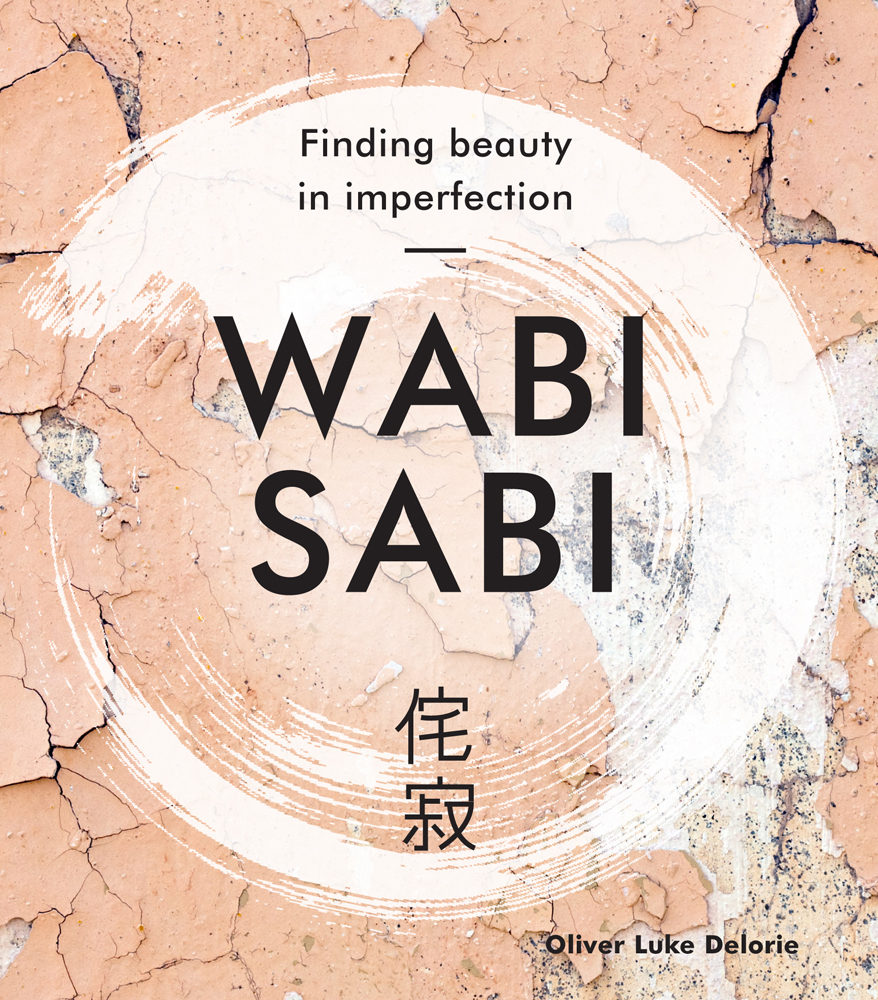
The Adaptable Educator’s Book Review: Wabi Sabi: Finding Beauty in Imperfection by Oliver Luke Delorie
Oliver Luke Delorie’s Wabi Sabi: Finding Beauty in Imperfection is a slender but profound exploration of an aesthetic philosophy deeply rooted in Japanese culture. In its modest form—both physically as a book and conceptually in its content—it mirrors the very principles it seeks to elucidate: simplicity, transience, and the quiet elegance of imperfection. The Essence of Wabi … Continue reading The Adaptable Educator’s Book Review: Wabi Sabi: Finding Beauty in Imperfection by Oliver Luke Delorie
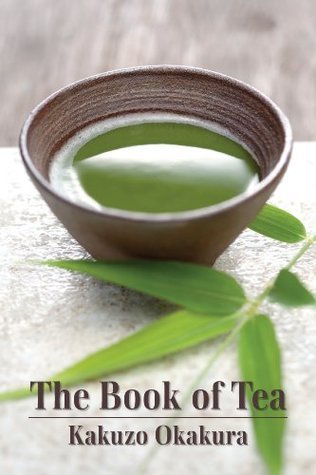
Weekend Book Reviews: Kakuzo Okakura’s “The Book of Tea”
Kakuzo Okakura's "The Book of Tea" stands as a timeless classic in the realm of literature, philosophy, and cultural studies. Originally published in 1906, this small yet profound work continues to captivate readers with its eloquent exploration of tea and its deep-seated significance in Japanese culture and beyond. At its heart, Okakura's book is a … Continue reading Weekend Book Reviews: Kakuzo Okakura’s “The Book of Tea”

Weekend Book Reviews: The Book of Ichigo Ichie: The Art of Making the Most of Every Moment by Hector Garcia
Hector Garcia's The Book of Ichigo Ichie presents a refreshing and profound exploration of the Japanese concept of Ichigo Ichie, emphasizing the art of cherishing every encounter and moment in life. Drawing deeply from Japanese culture and philosophy, Garcia invites readers into a contemplative journey where mindfulness and presence become paramount. The essence of Ichigo … Continue reading Weekend Book Reviews: The Book of Ichigo Ichie: The Art of Making the Most of Every Moment by Hector Garcia
Teaching Imperfection: Integrating Wabi-Sabi into Teacher Development for Holistic Education
Traduction française à suivre. / Traduccíon al español a seguir. / Seguirà la traduzione italiana. Incorporating the wabi-sabi mindset into teacher training and development can profoundly enrich educators' practice and their interactions with students. Wabi-sabi, rooted in Japanese aesthetics, emphasizes finding beauty in imperfection, impermanence, and simplicity. Here’s how this mindset can be integrated into … Continue reading Teaching Imperfection: Integrating Wabi-Sabi into Teacher Development for Holistic Education
An Open-minded approach to Curricular design and Assessment through the Wabi-Sabi Mindset
Traduction française à suivre. / Traduccíon al español a seguir. / Seguirà la traduzione italiana. Incorporating the wabi-sabi mindset into modern educational curriculum design and assessment offers a compelling approach to nurturing holistic development and resilience among students. Wabi-sabi, rooted in traditional Japanese aesthetics, emphasizes the beauty of imperfection, impermanence, and the acceptance of natural … Continue reading An Open-minded approach to Curricular design and Assessment through the Wabi-Sabi Mindset
Arting on Imperfection: Cultivating Creativity through Wabi-Sabi in Education
Traduction française à suivre. / Traduccíon al español a seguir. / Seguirà la traduzione italiana. Incorporating the wabi-sabi mindset into modern educational practice can indeed be a transformative approach in fostering creativity among students. Wabi-sabi, rooted in traditional Japanese aesthetics, emphasizes finding beauty in imperfection, impermanence, and the authentic essence of objects and experiences. Here’s … Continue reading Arting on Imperfection: Cultivating Creativity through Wabi-Sabi in Education
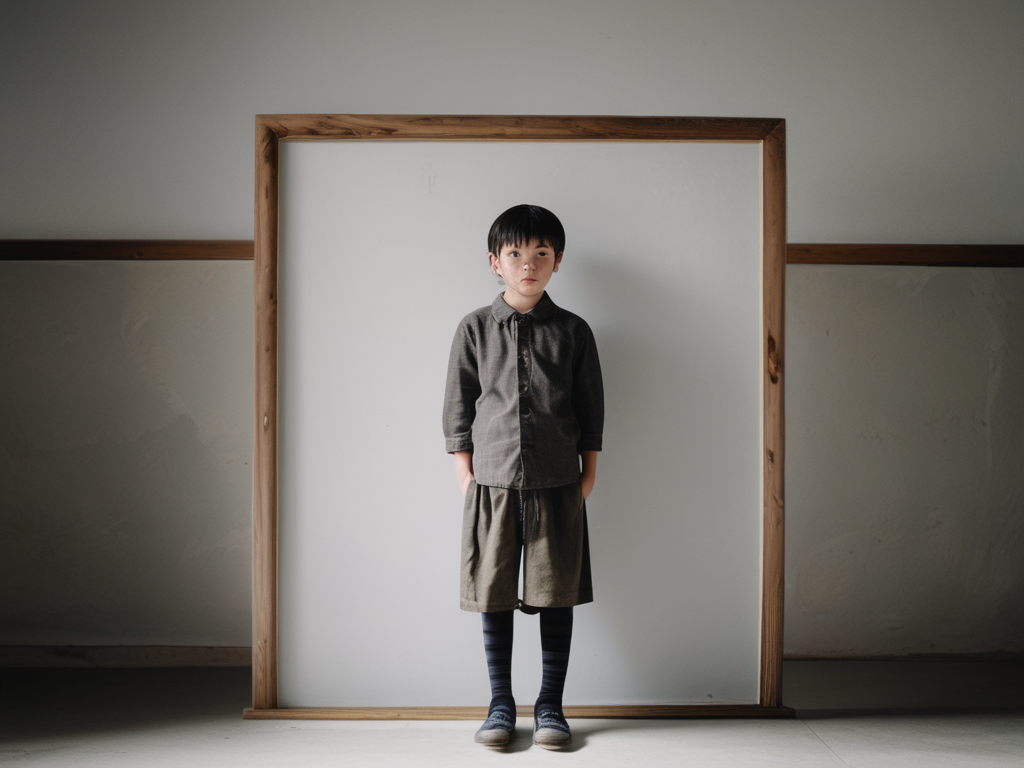
Celebrating Imperfection: Embracing the Wabi-Sabi Mindset in SEND Education
Traduction française à suivre. / Traduccíon al español a seguir. / Seguirà la traduzione italiana. Incorporating the wabi-sabi mindset into modern educational practices, especially within SEND (Special Educational Needs and Disabilities) teaching, can be highly effective for several compelling reasons. Embracing Imperfection and Uniqueness: Wabi-sabi celebrates imperfection, impermanence, and the beauty of things that are … Continue reading Celebrating Imperfection: Embracing the Wabi-Sabi Mindset in SEND Education

Exploring Wabi-Sabi the International Baccalaureate way: Transforming Education for a Resilient Future
Traduction française à suivre. / Traduccíon al español a seguir. / Seguirà la traduzione italiana. Incorporating the wabi-sabi mindset into modern educational practice, particularly within the International Baccalaureate (IB) curricula at all levels, can significantly enhance student development and holistic learning. Wabi-sabi, rooted in Japanese aesthetics, embraces imperfection, transience, and the beauty of natural processes. … Continue reading Exploring Wabi-Sabi the International Baccalaureate way: Transforming Education for a Resilient Future
 The New Renaissance Mindset