

Traduction française à suivre. / Traduccíon al español a seguir. / Seguirà la traduzione italiana. Incorporating the wabi-sabi mindset into modern educational practice can profoundly enhance efforts towards diversity and inclusion in the classroom. Wabi-sabi, rooted in Japanese aesthetics, celebrates the beauty of imperfection, impermanence, and the acceptance of natural processes. Here’s how it contributes … Continue reading Embracing Imperfection: The Wabi-Sabi Approach to Fostering Diversity and Inclusion in Education

Nurturing the Gift of Imperfection: Embracing Wabi-Sabi in Education for Resilience and Authenticity
Traduction française à suivre. / Traduccíon al español a seguir. / Seguirà la traduzione italiana. Incorporating the wabi-sabi mindset into modern educational practice can significantly enhance student resilience and bolster self-esteem by fostering a deep appreciation for imperfection, transience, and authenticity. Originating from traditional Japanese aesthetics, wabi-sabi encourages individuals to find beauty in the imperfect, … Continue reading Nurturing the Gift of Imperfection: Embracing Wabi-Sabi in Education for Resilience and Authenticity
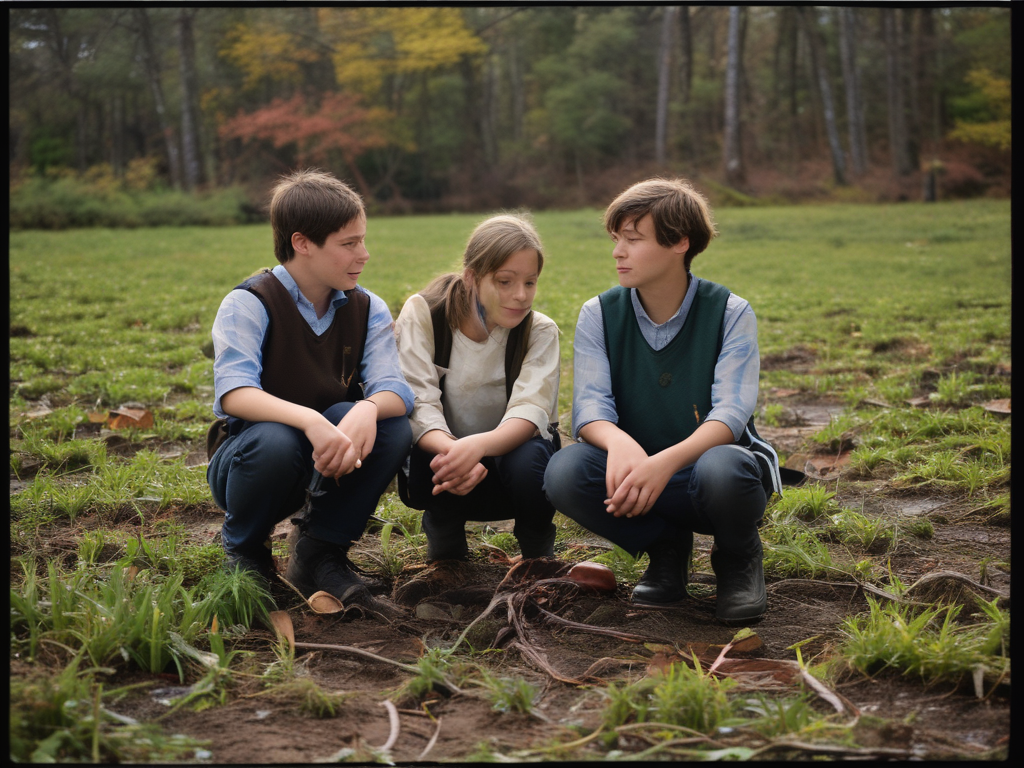
Discovering Imperfections: Embracing Wabi-Sabi in Place-Based Education
Traduction française à suivre. / Traduccíon al español a seguir. / Seguirà la traduzione italiana. Incorporating the wabi-sabi mindset into modern educational practice can profoundly enrich place-based learning by fostering a deeper appreciation of the environment and promoting holistic development among students. Wabi-sabi, rooted in Japanese aesthetics, emphasizes finding beauty in imperfection, impermanence, and the … Continue reading Discovering Imperfections: Embracing Wabi-Sabi in Place-Based Education
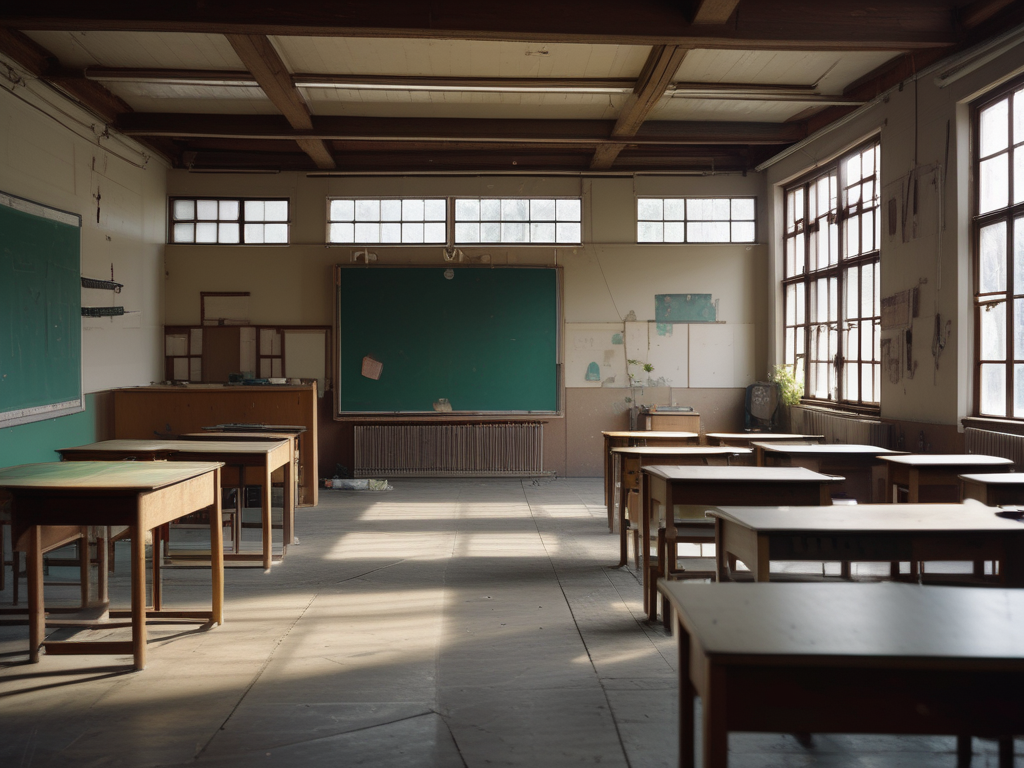
Imperfection Illuminated: Embracing Wabi-Sabi in Process-Oriented Teaching Practices for Transformative Learning Experiences
Traduction française à suivre. / Traduccíon al español a seguir. / Seguirà la traduzione italiana. Incorporating the wabi-sabi mindset into modern educational practice offers a profound shift towards fostering effective, process-based learning. Wabi-sabi, rooted in Japanese aesthetics, celebrates imperfection, transience, and the beauty of the natural cycle of growth and decay. This philosophy can significantly … Continue reading Imperfection Illuminated: Embracing Wabi-Sabi in Process-Oriented Teaching Practices for Transformative Learning Experiences
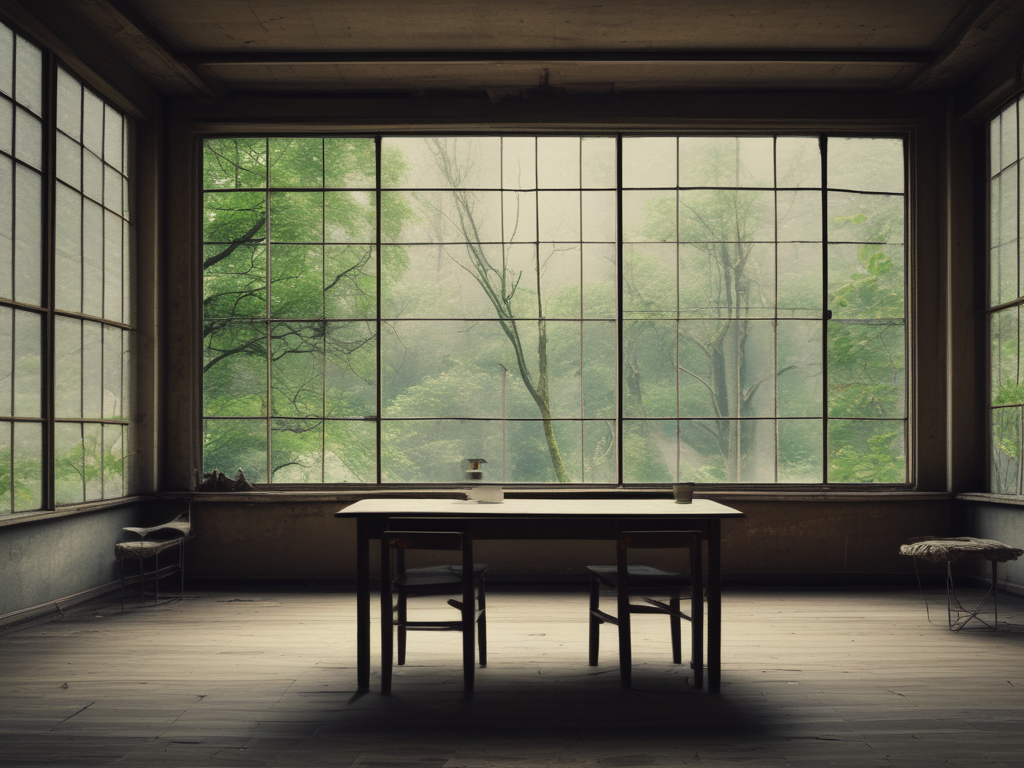
Imperfection Unveiled: Embracing Wabi-Sabi in Modern Education
Traduction française à suivre. / Traduccíon al español a seguir. / Seguirà la traduzione italiana. Incorporating the wabi-sabi mindset into modern educational practice offers profound benefits that resonate deeply with both the emotional and cognitive development of students. Wabi-sabi, rooted in Japanese aesthetics and philosophy, celebrates imperfection, impermanence, and the beauty of the natural cycle … Continue reading Imperfection Unveiled: Embracing Wabi-Sabi in Modern Education

Weekend Book Reviews: “Wabi-Sabi Workshop” by Serena Barton
Serena Barton's "Wabi-Sabi Workshop" invites readers into the serene realm of wabi-sabi, a Japanese aesthetic philosophy that finds beauty in imperfection, impermanence, and the natural cycle of growth and decay. Through this book, Barton not only elucidates the essence of wabi-sabi but also offers practical guidance on how to incorporate its principles into one's artistic … Continue reading Weekend Book Reviews: “Wabi-Sabi Workshop” by Serena Barton
An Argument for the Wabi-Sabi in Rembrandt’s Art
I believe it could be argued that Rembrandt's art is a perfect example of how Wabi-sabi can be found in unexpected places. Wabi-sabi is a Japanese aesthetic that celebrates the beauty of imperfection, impermanence, and simplicity. It is a philosophy that encourages us to embrace the flawed and the fleeting, and to find beauty in … Continue reading An Argument for the Wabi-Sabi in Rembrandt’s Art
Considering the wabi-sabi-ness of David Park’s Art
David Park was an American artist known for his contributions to the Bay Area Figurative Movement. His style was characterized by his loose, gestural brushstrokes and his focus on the human figure. While his work often included elements of abstraction, it also possessed a certain rawness and imperfection that is indicative of wabi-sabi. In this … Continue reading Considering the wabi-sabi-ness of David Park’s Art
How is Modigliani using the Wabi-Sabi Aesthetic?
As an art lover, I have spent a significant amount of time studying the works of the great artists of the past, and one artist whose work continues to captivate me is Amedeo Modigliani. His unique style and approach to art, particularly in his portraits, convey a sense of wabisabiness that is both subtle and … Continue reading How is Modigliani using the Wabi-Sabi Aesthetic?
Where Andrew Wyeth shows a Wabi Sabi Aesthetic
Andrew Wyeth's art is often associated with the concept of wabi-sabi, a Japanese aesthetic philosophy that values the beauty of impermanence, imperfection, and incompleteness. Wyeth's paintings are characterized by their simplicity, muted color palette, and attention to detail, which contribute to their overall sense of tranquility and quiet contemplation. In this essay, I will explore … Continue reading Where Andrew Wyeth shows a Wabi Sabi Aesthetic
 The New Renaissance Mindset