
Traduction française à suivre. / Traduccíon al español a seguir. / Seguirà la traduzione italiana. Incorporating the wabi-sabi mindset into modern educational practice can indeed be a transformative approach in fostering creativity among students. Wabi-sabi, rooted in traditional Japanese aesthetics, emphasizes finding beauty in imperfection, impermanence, and the authentic essence of objects and experiences. Here’s … Continue reading Arting on Imperfection: Cultivating Creativity through Wabi-Sabi in Education
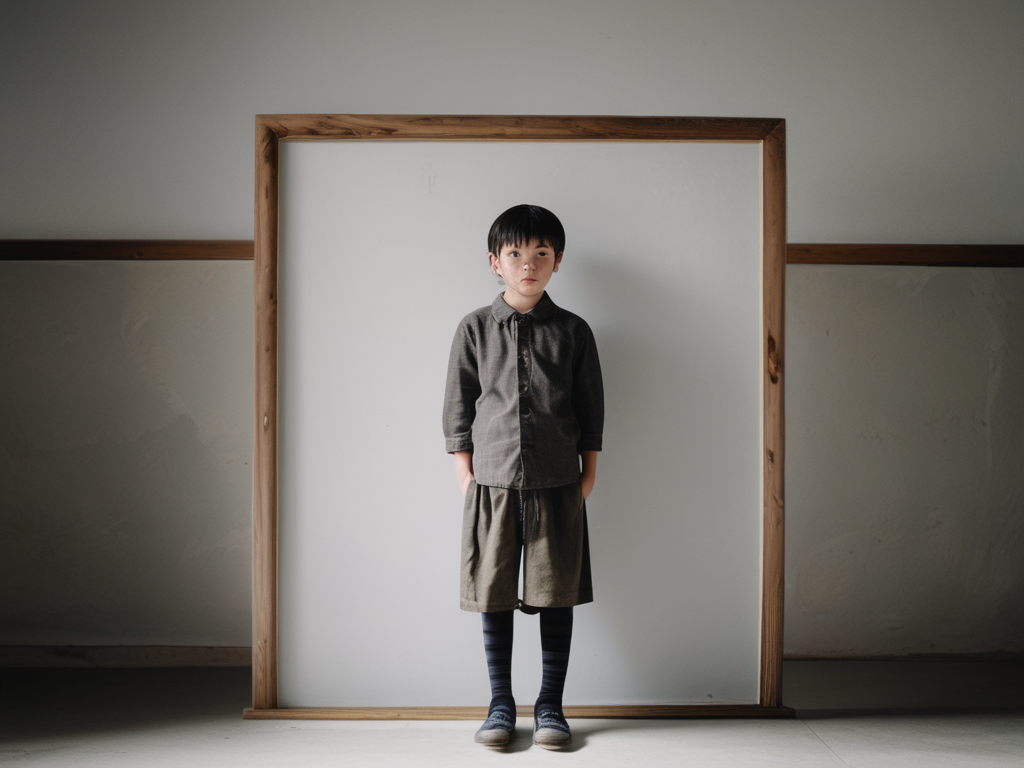
Celebrating Imperfection: Embracing the Wabi-Sabi Mindset in SEND Education
Traduction française à suivre. / Traduccíon al español a seguir. / Seguirà la traduzione italiana. Incorporating the wabi-sabi mindset into modern educational practices, especially within SEND (Special Educational Needs and Disabilities) teaching, can be highly effective for several compelling reasons. Embracing Imperfection and Uniqueness: Wabi-sabi celebrates imperfection, impermanence, and the beauty of things that are … Continue reading Celebrating Imperfection: Embracing the Wabi-Sabi Mindset in SEND Education

Exploring Wabi-Sabi the International Baccalaureate way: Transforming Education for a Resilient Future
Traduction française à suivre. / Traduccíon al español a seguir. / Seguirà la traduzione italiana. Incorporating the wabi-sabi mindset into modern educational practice, particularly within the International Baccalaureate (IB) curricula at all levels, can significantly enhance student development and holistic learning. Wabi-sabi, rooted in Japanese aesthetics, embraces imperfection, transience, and the beauty of natural processes. … Continue reading Exploring Wabi-Sabi the International Baccalaureate way: Transforming Education for a Resilient Future

Embracing Imperfection: The Wabi-Sabi Approach to Fostering Diversity and Inclusion in Education
Traduction française à suivre. / Traduccíon al español a seguir. / Seguirà la traduzione italiana. Incorporating the wabi-sabi mindset into modern educational practice can profoundly enhance efforts towards diversity and inclusion in the classroom. Wabi-sabi, rooted in Japanese aesthetics, celebrates the beauty of imperfection, impermanence, and the acceptance of natural processes. Here’s how it contributes … Continue reading Embracing Imperfection: The Wabi-Sabi Approach to Fostering Diversity and Inclusion in Education

Nurturing the Gift of Imperfection: Embracing Wabi-Sabi in Education for Resilience and Authenticity
Traduction française à suivre. / Traduccíon al español a seguir. / Seguirà la traduzione italiana. Incorporating the wabi-sabi mindset into modern educational practice can significantly enhance student resilience and bolster self-esteem by fostering a deep appreciation for imperfection, transience, and authenticity. Originating from traditional Japanese aesthetics, wabi-sabi encourages individuals to find beauty in the imperfect, … Continue reading Nurturing the Gift of Imperfection: Embracing Wabi-Sabi in Education for Resilience and Authenticity
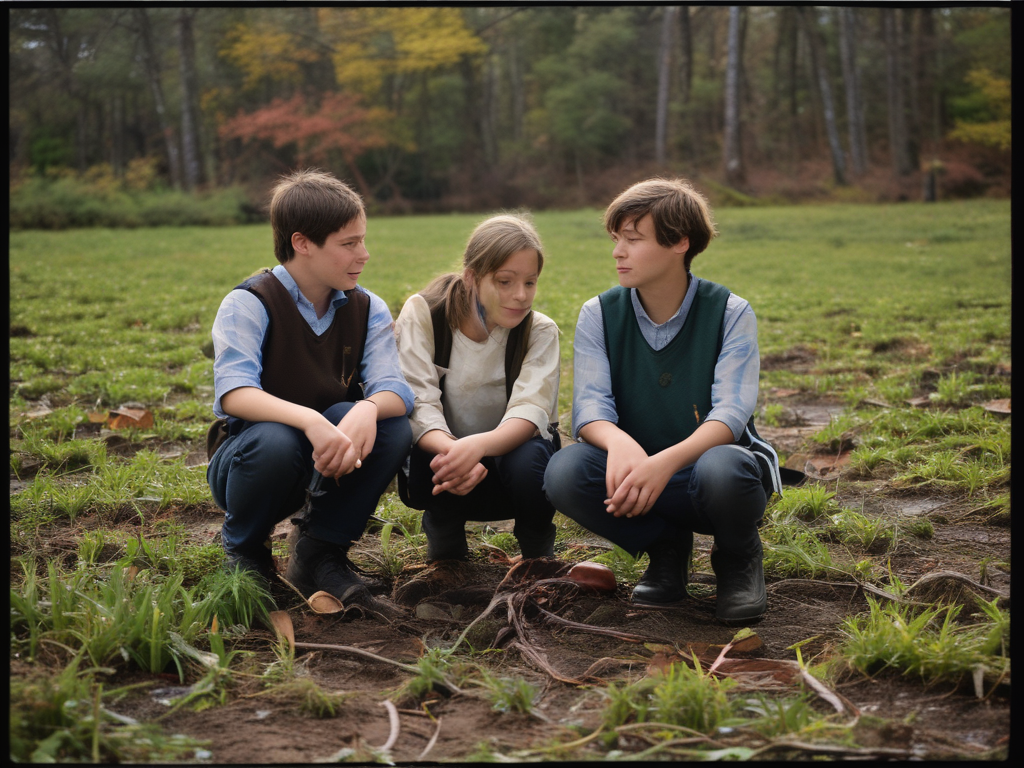
Discovering Imperfections: Embracing Wabi-Sabi in Place-Based Education
Traduction française à suivre. / Traduccíon al español a seguir. / Seguirà la traduzione italiana. Incorporating the wabi-sabi mindset into modern educational practice can profoundly enrich place-based learning by fostering a deeper appreciation of the environment and promoting holistic development among students. Wabi-sabi, rooted in Japanese aesthetics, emphasizes finding beauty in imperfection, impermanence, and the … Continue reading Discovering Imperfections: Embracing Wabi-Sabi in Place-Based Education
Imperfection Illuminated: Embracing Wabi-Sabi in Process-Oriented Teaching Practices for Transformative Learning Experiences
Traduction française à suivre. / Traduccíon al español a seguir. / Seguirà la traduzione italiana. Incorporating the wabi-sabi mindset into modern educational practice offers a profound shift towards fostering effective, process-based learning. Wabi-sabi, rooted in Japanese aesthetics, celebrates imperfection, transience, and the beauty of the natural cycle of growth and decay. This philosophy can significantly … Continue reading Imperfection Illuminated: Embracing Wabi-Sabi in Process-Oriented Teaching Practices for Transformative Learning Experiences

Imperfection Unveiled: Embracing Wabi-Sabi in Modern Education
Traduction française à suivre. / Traduccíon al español a seguir. / Seguirà la traduzione italiana. Incorporating the wabi-sabi mindset into modern educational practice offers profound benefits that resonate deeply with both the emotional and cognitive development of students. Wabi-sabi, rooted in Japanese aesthetics and philosophy, celebrates imperfection, impermanence, and the beauty of the natural cycle … Continue reading Imperfection Unveiled: Embracing Wabi-Sabi in Modern Education
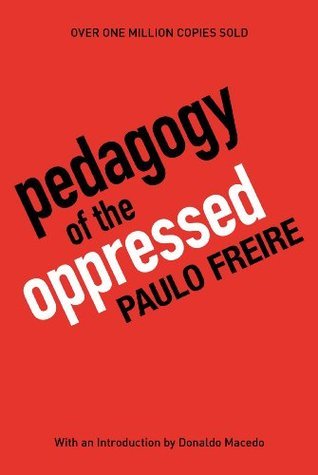
Weekend Book Reviews: Paolo Freire’s “Pedagogy of the Oppressed”
Paolo Freire's seminal work, "Pedagogy of the Oppressed," stands as a foundational text in the field of education, philosophy, and critical theory. Originally published in 1968, its influence continues to reverberate across disciplines, inspiring educators and activists alike with its radical critique of traditional pedagogical methods and its impassioned call for liberation through education. At … Continue reading Weekend Book Reviews: Paolo Freire’s “Pedagogy of the Oppressed”
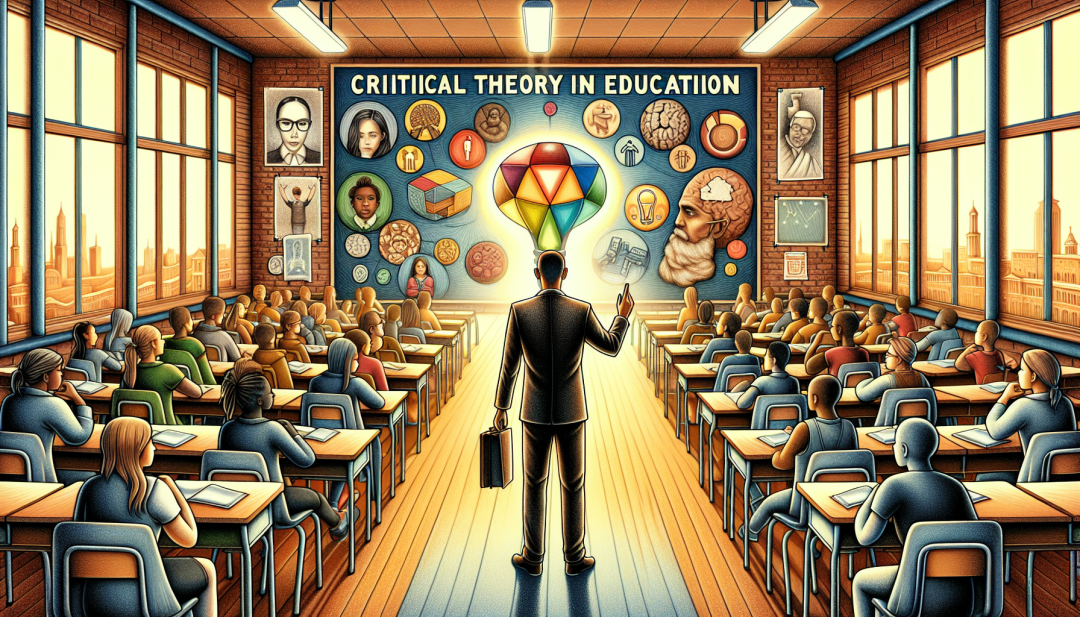
Empowering Educators: Revolutionizing Teacher Training with Critical Theory
Traduction française à suivre. / Traduccíon al español a seguir. / Seguirà la traduzione italiana. Critical theory offers a powerful lens through which to analyze and challenge societal norms, power structures, and injustices. Its principles and practices are invaluable in teacher training for several reasons: Social Justice Advocacy: Critical theory emphasizes the importance of recognizing … Continue reading Empowering Educators: Revolutionizing Teacher Training with Critical Theory
 The New Renaissance Mindset