
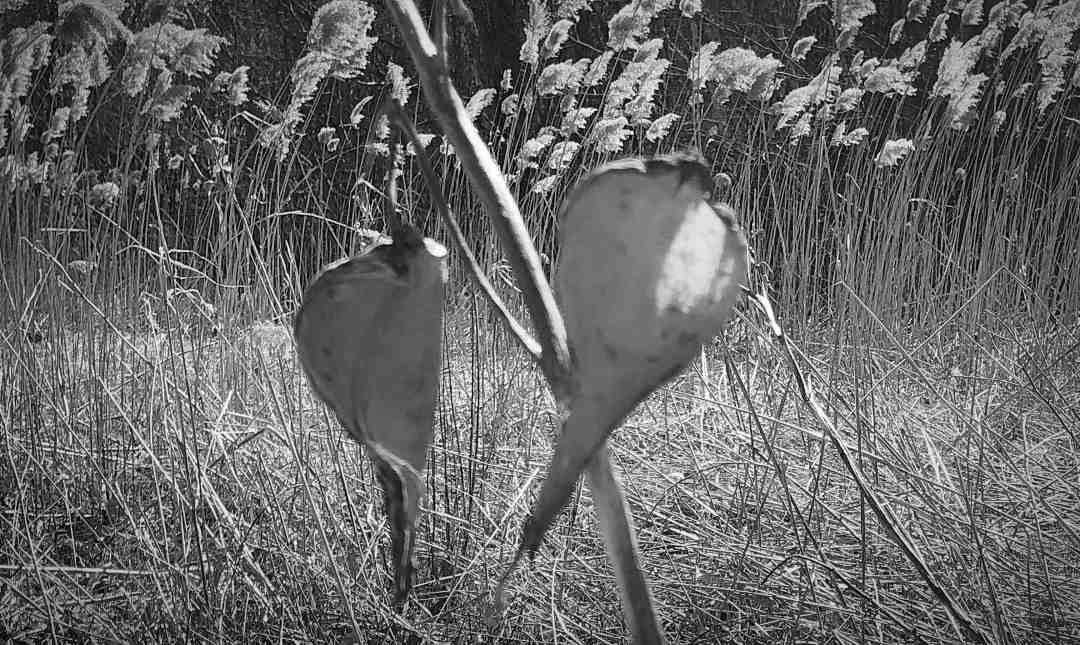
Dried milkweed hangheavy on brittle branches,pods held like closed handsagainst a hush of sky. Then a seam gives — papery crack,a scatter: white skeins lift,not birds yet, but small weather,each seed a flake of wing. The twigs empty their maps;air fills with soft insistence.What looked like husk becomes migration,a sudden translation of the ordinary. Leave … Continue reading Revisionist Poetry – Avian Essence, v.2
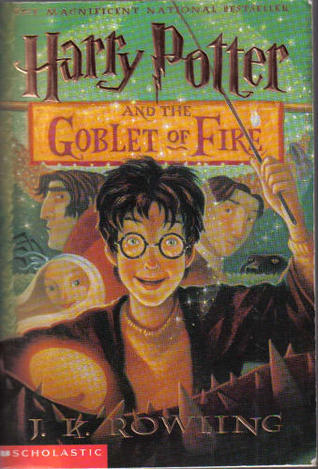
The Adaptable Educator’s Book Review – Harry Potter and The Goblet of Fire by J.K. Rowling
Harry Potter and the Goblet of Fire performs a decisive tonal and structural shift in J.K. Rowling’s series: what began as a tightly localized tale of a magical boy on the margins of domestic unease becomes in Book Four an expansive ritual narrative that stages adolescence, institutional failure, and the return of political terror. It … Continue reading The Adaptable Educator’s Book Review – Harry Potter and The Goblet of Fire by J.K. Rowling
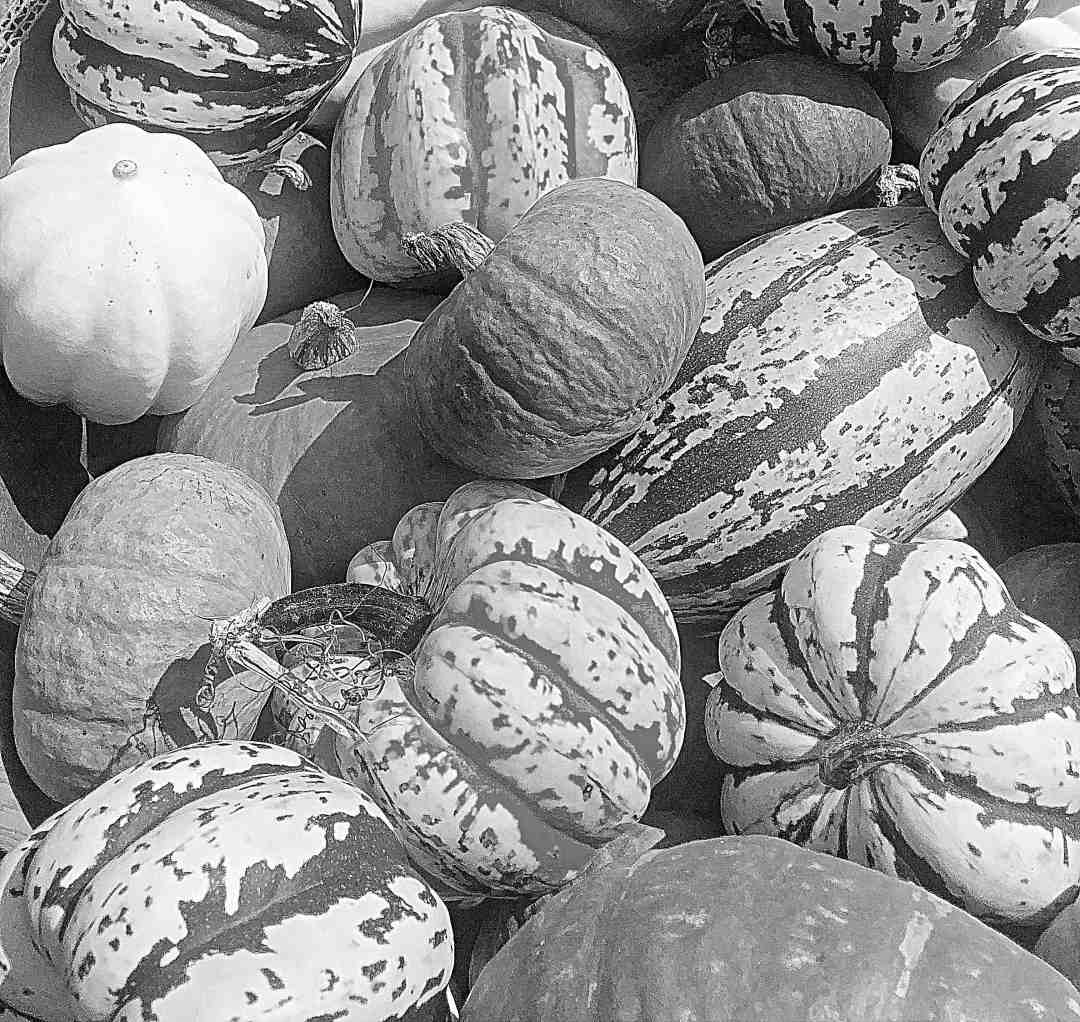
Revisionist Poetry – Autumn’s Fruit, v.4 (ekphrastic reworking for painters)
The frame holds a tipped crate,its lip offering up colour —ochre, rust, lichen-green —a spill arranged by gravity, not grace. Each gourd is rendered patiently:thick ribs catching light,warted skins stippled like dry brushpressed into stubborn canvas. Shadow pools beneath them,cool blues cupping warm bellies,edges softened where the eye rests too long,sharpened where a knife of … Continue reading Revisionist Poetry – Autumn’s Fruit, v.4 (ekphrastic reworking for painters)
Revisionist Pedagogy – Integrating Social and News Media Literacy in Pre-Collegial Visual Arts Education: A Comprehensive, Actionable Approach. (… A Comprehensive Approach, v.2)
Integrating social and news media literacy into pre-collegial visual arts education is not an optional add-on — it is a curricular priority. Visual culture now shapes how young people perceive events, form opinions, and participate civically. Arts classrooms are especially well-placed to teach students to read, produce, and ethically evaluate visual content. This essay proposes … Continue reading Revisionist Pedagogy – Integrating Social and News Media Literacy in Pre-Collegial Visual Arts Education: A Comprehensive, Actionable Approach. (… A Comprehensive Approach, v.2)
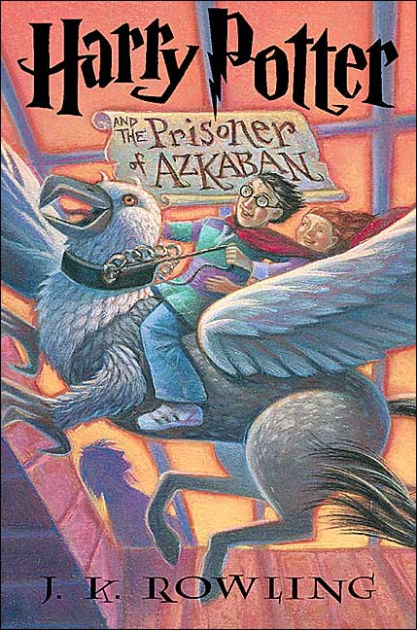
The Adaptable Educator’s Book Review – Harry Potter and the Prisoner of Azkaban by J.K. Rowling
Rowling’s third instalment in the Harry Potter sequence marks a decisive tonal and structural shift: less the cosy wonder of schoolroom discovery and more a novel preoccupied with memory, justice, and the uncanny ways the past returns to shape the present. Prisoner of Azkaban is both a tighter mystery and a deeper moral exploration than … Continue reading The Adaptable Educator’s Book Review – Harry Potter and the Prisoner of Azkaban by J.K. Rowling
Revisionist Poetry – Autumn’s Fruit, v.3
Crate overturned. Gourds tumble—humped, hollow, stubborn as small planets.Colors bruise—pumpkin, pewter, lime—skins pocked like weathered faces. Sun and rain carved them. Hands did not.They rattle when nudged, sound like loose teeth.Cold breath comes through the field; leaves scatter. I cup one: its skin is dry, warm where the day held it.No sermons. Just the taste … Continue reading Revisionist Poetry – Autumn’s Fruit, v.3
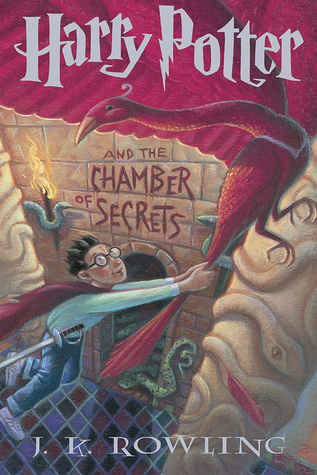
The Adaptable Educator’s Book Review – Harry Potter and the Chamber of Secrets by J.K. Rowling
If the first volume of J.K. Rowling’s saga announced a wholly imagined magical world with the innocent exhilaration of discovery, Harry Potter and the Chamber of Secrets registers the series’ movement from charm into consequence. Rowling’s sophomore effort tightens the mechanics of her imagination while deepening the book’s moral and formal ambitions: it is at … Continue reading The Adaptable Educator’s Book Review – Harry Potter and the Chamber of Secrets by J.K. Rowling
Revisionist Poetry – Autumn’s Fruit, v.2
In late harvest light, a wooden crate tips—a river of nobbled gourds pooling on straw:squat globes, long-necked lanterns, sun-browned mapsmottled with ochre, chartreuse, and bruise. Each one a small, knotted country — scoredby sun and rain, ribbed with winter’s memory,its pockmarks and scars the kind of languagethat names droughts and late frosts without a shout. … Continue reading Revisionist Poetry – Autumn’s Fruit, v.2
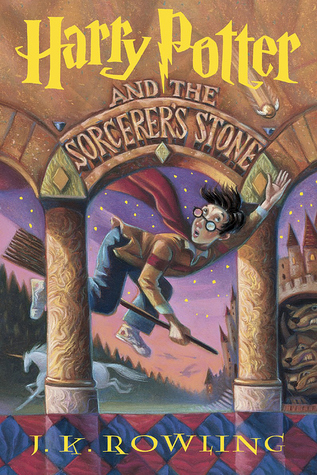
The Adaptable Educator’s Book Review – Harry Potter and the Philosopher’s Stone by J.K. Rowling
J.K. Rowling’s Harry Potter and the Philosopher’s Stone performs a curious double task: it reanimates familiar strands of the British children’s-book tradition (the orphaned schoolboy, the boarding school adventure, the fairy-tale quest) while announcing, with surprising economy, the existence of a fully imagined parallel moral universe. Read as a discrete text rather than merely the … Continue reading The Adaptable Educator’s Book Review – Harry Potter and the Philosopher’s Stone by J.K. Rowling
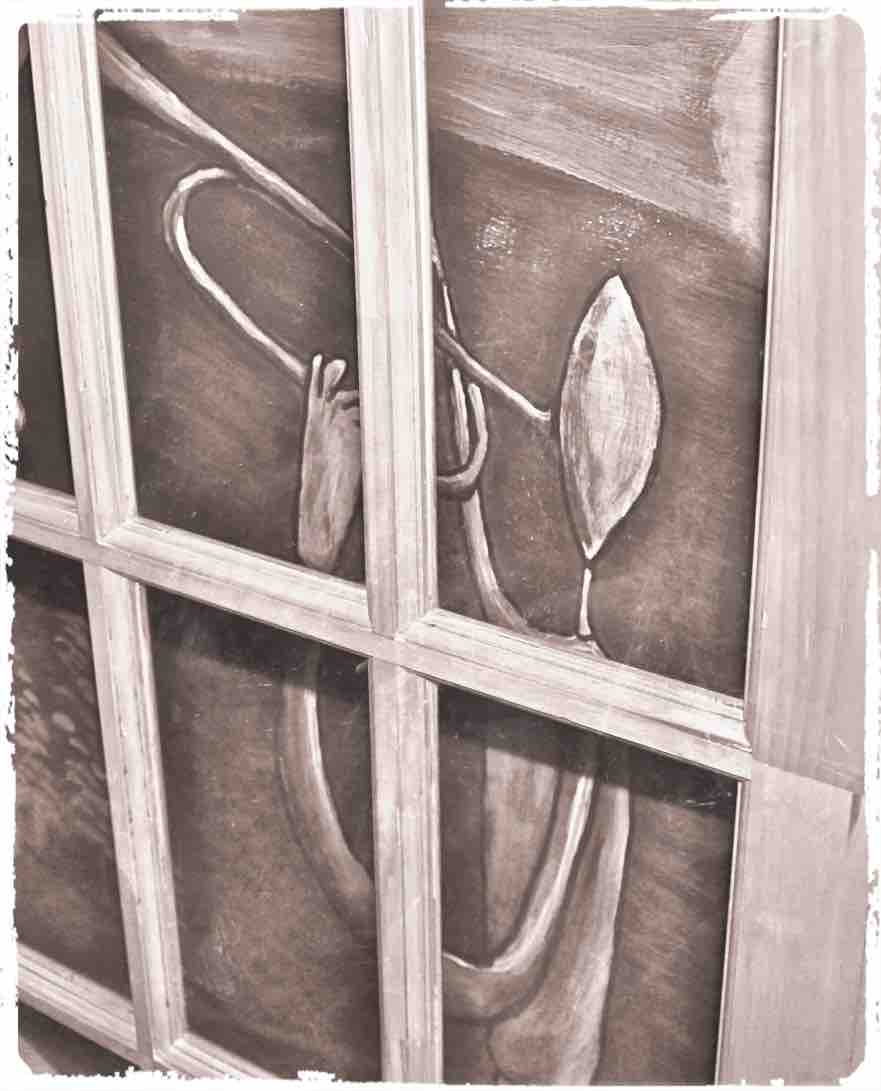
Revisionist Poetry – Art is Everywhere, v.3
In the cluttered hush of the studiothe inventory of things begins to list itself:a cracked crate, a sagging shelf, a rolled canvasbreathing like folded skin in the corner. A canvas draped over a chair, a clay hand in a jar,colours spattered down the floorboards like small suns.Each piece carries the humidity of a night—the tremor … Continue reading Revisionist Poetry – Art is Everywhere, v.3
 The New Renaissance Mindset