

An Elegy to Transience: The Poetics of Wabi-Sabi in Contemporary Life Nobuo Suzuki’s Wabi Sabi: The Wisdom in Imperfection offers a contemplative and deeply felt meditation on the Japanese aesthetic philosophy of wabi-sabi—a worldview that finds beauty in imperfection, transience, and the unfinished. More than a cultural or artistic study, Suzuki’s work is a philosophical reflection, a poetic … Continue reading The Adaptable Educator’s Book Review – Wabi Sabi: The Wisdom in Imperfection by Nobuo Suzuki
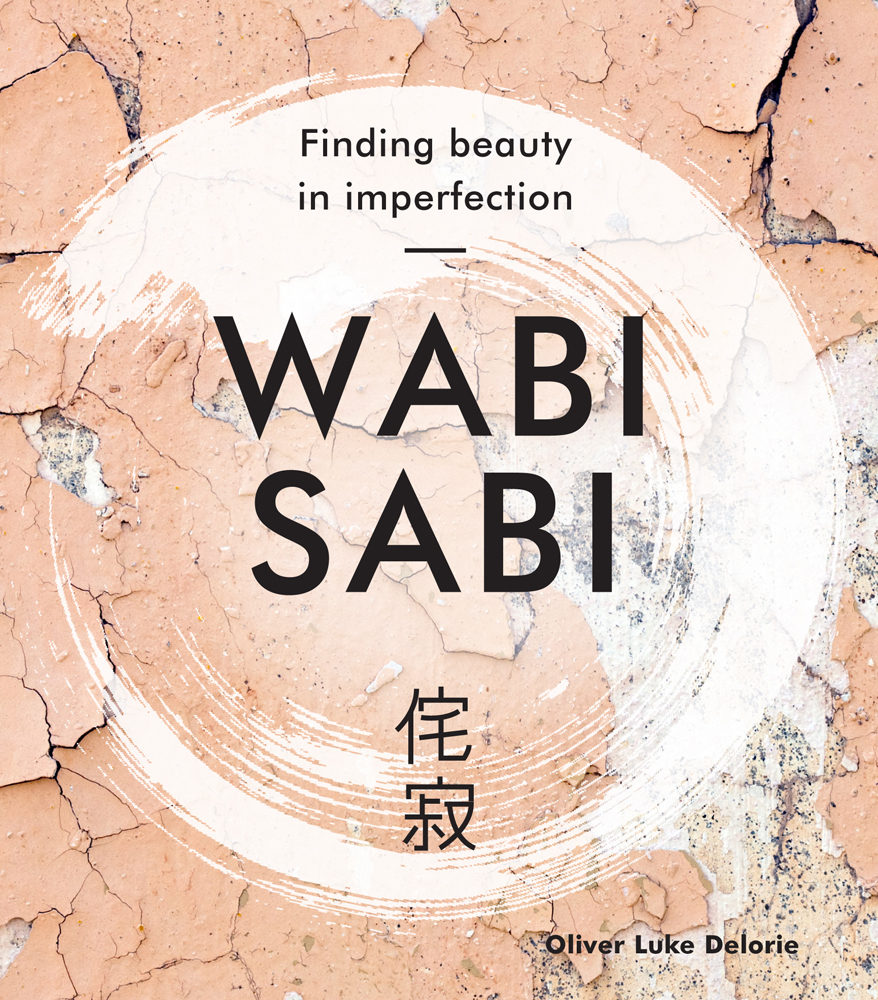
The Adaptable Educator’s Book Review: Wabi Sabi: Finding Beauty in Imperfection by Oliver Luke Delorie
Oliver Luke Delorie’s Wabi Sabi: Finding Beauty in Imperfection is a slender but profound exploration of an aesthetic philosophy deeply rooted in Japanese culture. In its modest form—both physically as a book and conceptually in its content—it mirrors the very principles it seeks to elucidate: simplicity, transience, and the quiet elegance of imperfection. The Essence of Wabi … Continue reading The Adaptable Educator’s Book Review: Wabi Sabi: Finding Beauty in Imperfection by Oliver Luke Delorie

The Adaptable Educator’s Book Review: In Praise of Shadows by Junichiro Tanizaki
Junichiro Tanizaki’s In Praise of Shadows (1933) is a profound meditation on aesthetics that invites the reader into a quiet yet deeply philosophical exploration of the interplay between light and shadow, tradition and modernity, East and West. This essay-length work is neither a straightforward treatise nor a manifesto; it is a personal, almost wistful reflection on the … Continue reading The Adaptable Educator’s Book Review: In Praise of Shadows by Junichiro Tanizaki
Reimagining Sustainability: Yukio Mishima’s Critique and Alternative Paths Beyond Colonialism, Nationalism, Imperialism, and Capitalism
Yukio Mishima, a prominent Japanese author and nationalist, explored themes of identity, tradition, and the clash between modernity and traditional values in his works. His philosophy, particularly his critique of modernity and Western influences, provides a lens through which we can examine the interconnectivity and unsustainability of colonialism, nationalism, imperialism, and capitalism. Interconnectivity and Unsustainability … Continue reading Reimagining Sustainability: Yukio Mishima’s Critique and Alternative Paths Beyond Colonialism, Nationalism, Imperialism, and Capitalism
Reimagining Futures: Ernst Bloch’s Vision for Sustainable Alternatives to Colonialism, Nationalism, Imperialism, and Capitalism
Ernst Bloch, a German Marxist philosopher, is renowned for his works on utopia, hope, and the anticipation of better futures. His theories can provide valuable insights into the interconnectedness and unsustainability of colonialism, nationalism, imperialism, and capitalism, as well as offer guidance toward sustainable alternatives. Interconnectivity and Unsustainability Colonialism and Imperialism: Ernst Bloch's View: Bloch … Continue reading Reimagining Futures: Ernst Bloch’s Vision for Sustainable Alternatives to Colonialism, Nationalism, Imperialism, and Capitalism

Weekend Book Reviews: “Introducing Aesthetics: A Graphic Guide” by Christopher Kul-Want
Christopher Kul-Want's "Introducing Aesthetics: A Graphic Guide" navigates the complex terrain of aesthetics with an engaging and visually stimulating approach. As part of the Introducing series known for its accessible introductions to various subjects, Kul-Want's work stands out for its ability to distill intricate philosophical concepts into digestible insights without sacrificing depth. The book is … Continue reading Weekend Book Reviews: “Introducing Aesthetics: A Graphic Guide” by Christopher Kul-Want
Considering the wabi-sabi-ness of David Park’s Art
David Park was an American artist known for his contributions to the Bay Area Figurative Movement. His style was characterized by his loose, gestural brushstrokes and his focus on the human figure. While his work often included elements of abstraction, it also possessed a certain rawness and imperfection that is indicative of wabi-sabi. In this … Continue reading Considering the wabi-sabi-ness of David Park’s Art
How is Modigliani using the Wabi-Sabi Aesthetic?
As an art lover, I have spent a significant amount of time studying the works of the great artists of the past, and one artist whose work continues to captivate me is Amedeo Modigliani. His unique style and approach to art, particularly in his portraits, convey a sense of wabisabiness that is both subtle and … Continue reading How is Modigliani using the Wabi-Sabi Aesthetic?
Where Andrew Wyeth shows a Wabi Sabi Aesthetic
Andrew Wyeth's art is often associated with the concept of wabi-sabi, a Japanese aesthetic philosophy that values the beauty of impermanence, imperfection, and incompleteness. Wyeth's paintings are characterized by their simplicity, muted color palette, and attention to detail, which contribute to their overall sense of tranquility and quiet contemplation. In this essay, I will explore … Continue reading Where Andrew Wyeth shows a Wabi Sabi Aesthetic
Where we find Wabi-Sabi in Jean-Michel Basquiat’s Art
Jean-Michel Basquiat's art is full of wabisabiness, a concept that derives from Japanese aesthetics that embraces the beauty of imperfection, transience, and the natural cycle of growth, decay, and death. Basquiat's art captures the essence of wabi-sabi through his unique style that blends graffiti, neo-expressionism, and primitivism. His works are a celebration of the imperfect, … Continue reading Where we find Wabi-Sabi in Jean-Michel Basquiat’s Art
 The New Renaissance Mindset