
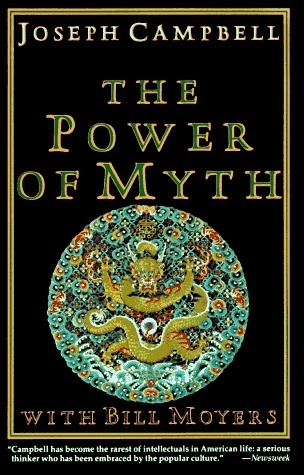
Joseph Campbell's "The Power of Myth" is a profound exploration of the universality and significance of mythological narratives across cultures and epochs. Published posthumously in 1988, this book encapsulates Campbell's dialogues with journalist Bill Moyers, originally televised as a series. It serves as a testament to Campbell's lifelong dedication to understanding the role of myth … Continue reading Weekend Book Reviews: “The Power of Myth” by Joseph Campbell

Unveiling Power: How Critical Theory Reshapes Literature, Culture, and Society
Traduction française à suivre. / Traduccíon al español a seguir. / Seguirà la traduzione italiana. #CriticalTheory #SocialJustice #LiteraryCriticism #CulturalStudies #EducationForAll #PoliticalTheory #EnvironmentalJustice #SocioPoliticalAnalysis #Empowerment #SocialChange Critical Theory is a framework developed by scholars such as Max Horkheimer, Theodor Adorno, Herbert Marcuse, and others associated with the Frankfurt School in the mid-20th century. At its core, … Continue reading Unveiling Power: How Critical Theory Reshapes Literature, Culture, and Society

Art and Cultural Identity: Exploring the Intersections
This paper delves into the intricate relationship between art and cultural identity, examining the multifaceted ways in which artistic expressions both shape and reflect the cultural identity of communities throughout history. Through an exploration of various art forms, from painting and sculpture to literature and performance, this study aims to elucidate the dynamic interplay between art and cultural identity. By examining key historical and contemporary examples, we will unravel the complex web of influences that connect artistic production to the construction and representation of cultural identity.
Learning: A people’s culture through their art
The evolution of Palestinian art over the last four decades is a testament to the resilience of a people facing the complexities of occupation, diaspora, and the struggle for cultural identity. From the 1980s, when artists in the Occupied Territories grappled with the challenges of asserting cultural identity in the face of oppressive policies, to … Continue reading Learning: A people’s culture through their art
A People’s Art: Part 1: Art Can Be A Positive Voice For Change: A People’s Art: Part 1: A People’s Art: Part 1:
Social Media is bleeding images and stories from every corner of the world and adding competing opinions... sometimes based in fact, sometimes based in propaganda... I'd like to reach your hearts from another approach and trust you to develop your own feelings on these impressive people. 7 Palestinian artists you will want to know... From … Continue reading A People’s Art: Part 1: Art Can Be A Positive Voice For Change: A People’s Art: Part 1: A People’s Art: Part 1:
A little good news — about Vikings (?)
Being from Montreal, Canada myself, I learned a long time ago, before Ancestry.com or 23andme came along, that we are seldom genetically pure in relation to the culture we grew up in. Hundreds to thousands of years of colonial habits have many of us being a genetic stew of racial ancestors. Even this article dances … Continue reading A little good news — about Vikings (?)
A Lesson in Intercultural Competence
Definition: “The top three common elements were the awareness, valuing, and understanding of cultural differences; experiencing other cultures; and self-awareness of one’s own culture. These common elements stress the underlying importance of cultural awareness, both of one’s own as well as others’ cultures.” (Deardorf, p. 247) Observation: The emphasis on awareness of self, as well … Continue reading A Lesson in Intercultural Competence
The Potential of Cultural Appropriation
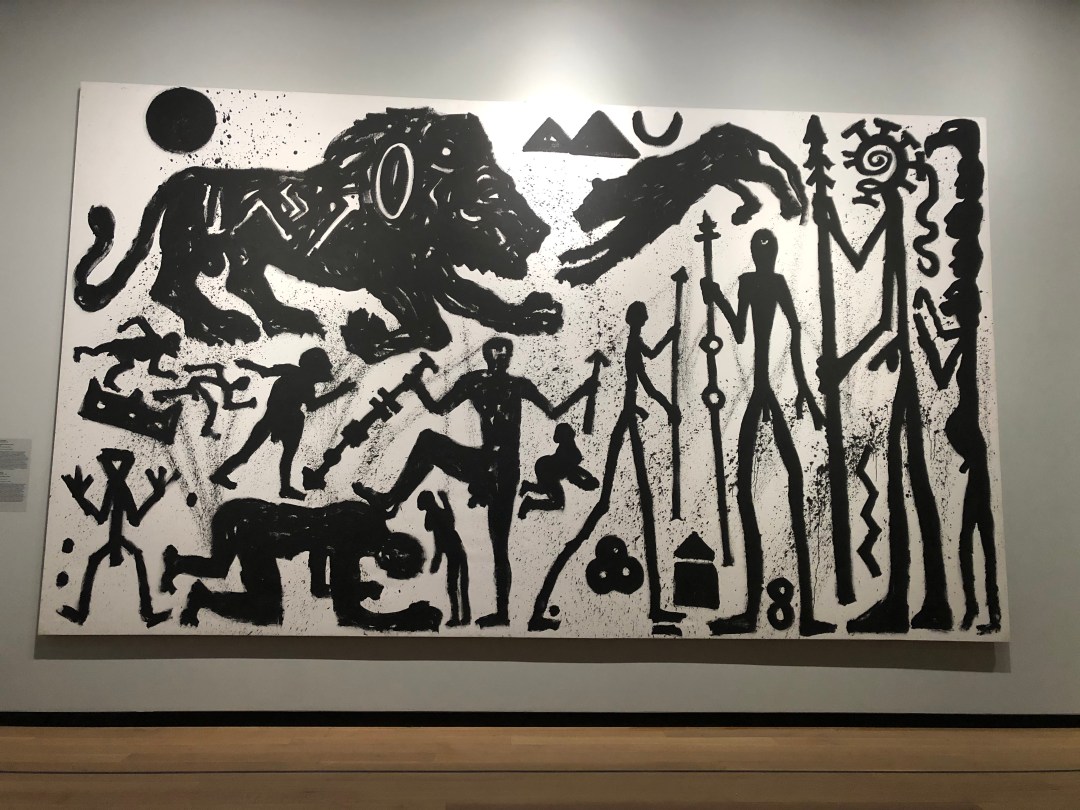
The Title image is by A.R. Penck: The Start of the Lion Hunt. The photo was taken in 2020, by M. Perron at the Musée des beaux arts de Montréal. From MBAM Introduction As soon as I came across this painting in the MBAM, the debate about cultural appropriation that continuously rages in my head … Continue reading The Potential of Cultural Appropriation
 The New Renaissance Mindset