
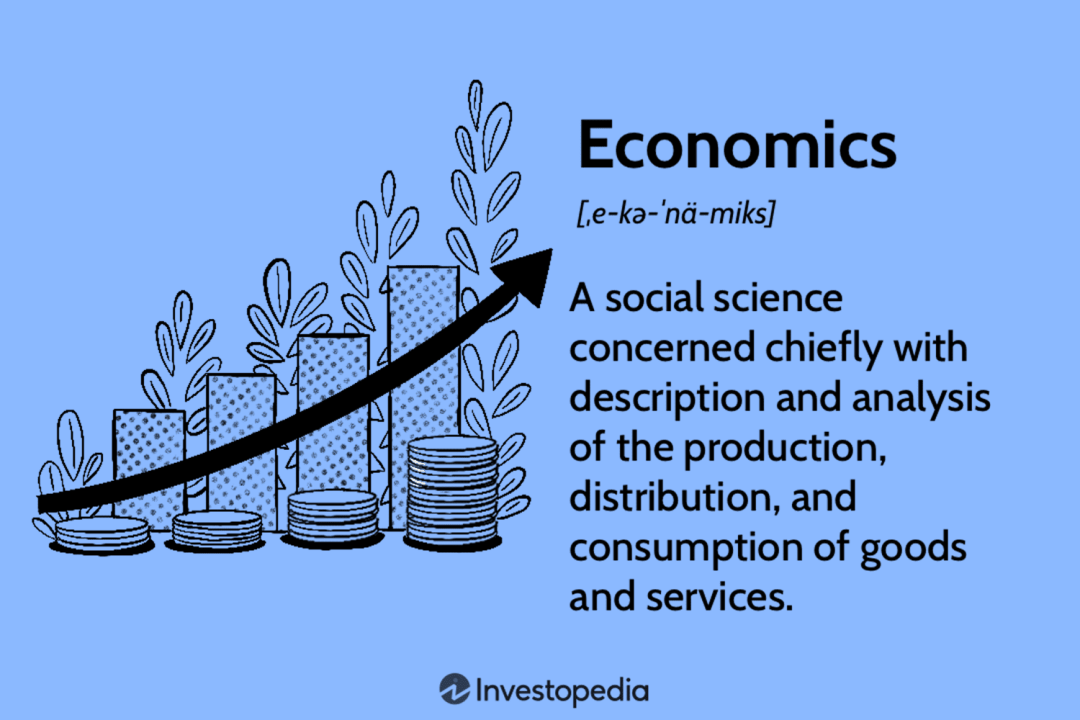
Pros of Teaching Economics in Elementary Schools
- Early Financial Literacy: Introducing economic concepts at an early age can foster financial literacy, helping children understand the basics of money management, saving, and spending. This foundation can lead to more financially responsible adults.
- Decision-Making Skills: Economics teaches decision-making by illustrating the consequences of choices. Understanding concepts like opportunity cost and trade-offs can help children make informed decisions in various aspects of life.
- Critical Thinking and Problem-Solving: Economics encourages critical thinking and problem-solving. Children learn to analyze situations, consider multiple perspectives, and predict outcomes based on economic principles.
- Understanding Society and Global Issues: Teaching economics can help children understand how the world works, from local businesses to global markets. This knowledge is crucial in a globalized economy and can help children become informed citizens.
- Preparation for Future Education: Early exposure to economics can prepare students for more advanced studies in middle and high school. It lays the groundwork for subjects like social studies, business, and even politics.
- Promoting Equity: Economic education can address social and economic inequalities by providing all children, regardless of background, with the tools and knowledge to understand and potentially overcome financial challenges.
Cons of Teaching Economics in Elementary Schools
- Complexity of Concepts: Economics can be complex and abstract, posing a challenge for young children to grasp. Simplifying these concepts without losing their essence can be difficult and may lead to misunderstandings.
- Curriculum Overload: Elementary school curriculums are already packed with essential subjects like math, science, and literacy. Adding economics might overburden students and teachers, potentially reducing the time and focus on foundational skills.
- Developmental Appropriateness: Children in elementary school are still developing cognitive skills. Some economic concepts, like market dynamics and supply and demand, might be too advanced for their developmental stage.
- Teacher Preparedness: Many elementary school teachers may not have a background in economics, necessitating additional training and resources. This could strain school budgets and time, diverting resources from other important areas.
- Potential Bias: Economics can be taught from various perspectives, and there is a risk of imparting ideological biases to young children. Ensuring a balanced and neutral approach is challenging.
- Relevance and Engagement: Young children may find economic concepts less engaging or relevant compared to other subjects. If not taught in an engaging and relatable way, it could lead to disinterest and disengagement.
Conclusion
The debate on whether to teach economics in elementary schools balances the potential benefits of early financial literacy, critical thinking, and societal understanding against the challenges of curriculum overload, developmental appropriateness, and teacher preparedness. A carefully designed curriculum, considering the developmental stages of children and ensuring teacher support, could help in effectively integrating economics into elementary education.
Discover more from The New Renaissance Mindset
Subscribe to get the latest posts sent to your email.
 The New Renaissance Mindset