
As an art teacher and artist, I find Pablo Picasso's Guernica to be one of the most compelling and thought-provoking works of art in history. The painting depicts the horrific bombing of the town of Guernica during the Spanish Civil War, and it captures the chaos, pain, and destruction of war in a way that … Continue reading Reflecting on the Wabi-Sabi-ness of Picasso’s Guernica
Considering the Wabi-Sabi-ness of The Bedroom by Van Gogh
The Bedroom is a famous painting created by Vincent van Gogh in 1888. The artwork depicts the interior of Van Gogh's own bedroom, located in the "Yellow House" in Arles, France. The painting is a study of the simple, rustic beauty of everyday life and has an undeniable wabisabiness. Wabi-sabi is a Japanese aesthetic that … Continue reading Considering the Wabi-Sabi-ness of The Bedroom by Van Gogh
Considering the Wabi-Sabi-ness of Van Gogh’s Sunflowers
Van Gogh's Sunflowers, a series of paintings created by the artist in 1888, is an iconic example of his unique artistic style. These paintings are a celebration of the beauty of nature and the everyday objects that surround us, but they are also an expression of Van Gogh's appreciation for the wabisabiness of life. Wabi-sabi … Continue reading Considering the Wabi-Sabi-ness of Van Gogh’s Sunflowers
Considering the Wabi-Sabi-ness of Van Gogh’s Starry Night
Vincent van Gogh's Starry Night is a masterpiece of Western art and one of the most iconic paintings of all time. Its unique and striking qualities have been analyzed by art historians and critics for years, with many identifying its distinct wabi-sabi aesthetic. Wabi-sabi is a Japanese aesthetic concept that celebrates imperfection, impermanence, and the … Continue reading Considering the Wabi-Sabi-ness of Van Gogh’s Starry Night
Wabi-Sabi Aesthetics in Mark Rothko’s Paintings
Mark Rothko's abstract paintings have long been recognized for their simplicity, elegance, and profound emotional impact. However, Rothko's work is not often associated with the Japanese aesthetic of wabi-sabi, which emphasizes the beauty of imperfection, transience, and simplicity. In this essay, I will argue that Rothko's paintings embody the principles of wabi-sabi aesthetics and demonstrate … Continue reading Wabi-Sabi Aesthetics in Mark Rothko’s Paintings
What is the Wabi-Sabi Aesthetic?
Wabi-Sabi is a Japanese aesthetic that values the beauty of imperfection, transience, and simplicity. Its roots are in the Buddhist philosophy of impermanence and the traditional Japanese tea ceremony. Wabi-Sabi has become increasingly popular in contemporary design, art, and architecture, influencing Western aesthetics and design practices. In this essay, I will explore the origins, principles, … Continue reading What is the Wabi-Sabi Aesthetic?
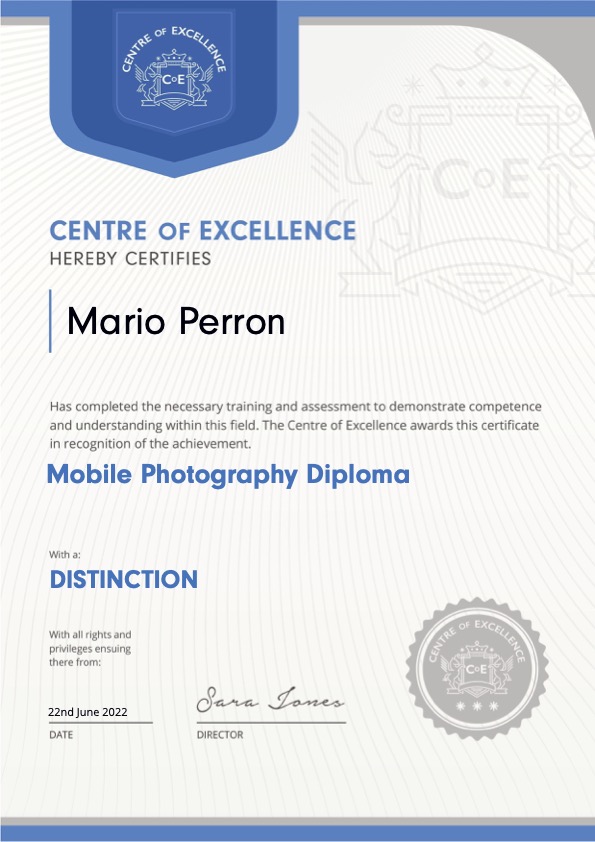
Why complete a diploma in Mobile Digital Photography
One of the big things these last two years of teaching has taught me is that mobile devices are here to stay and are very much ubiquitous elements in our students' lives; they MUST be part of all curricular design considerations from now on! My students, be they secondary or elementary age almost uniformly come … Continue reading Why complete a diploma in Mobile Digital Photography
Building a Teaching Philosophy – Part Six: Adding Anecdotes
See Part 5 for previous version... I was asked to bring it in to a single page and add a personal teaching story. I know that two of my biggest challenges are talking about my intentions and being concise about it... Well, I gave it a shot... I'm grateful for any feedback you can give … Continue reading Building a Teaching Philosophy – Part Six: Adding Anecdotes
Building a Teaching Philosophy – Part Four – Open to criticism & feedback.
See Part Three for the previous reflections... I guess the subtitle could be: "How the heck do I make this more concise and still keep the passion I feel about it?" So, I started the new semester on January 5th, 2022... dove into teaching my high school classes online with the help of my amazing … Continue reading Building a Teaching Philosophy – Part Four – Open to criticism & feedback.
Why complete a course on Creating Inclusive Learning Experiences
First, this was an excellent refresher regarding how to build engaging and meaningful learning experiences. The key point is being a student-centred educator. INCLUDE your students... make them the centre of every choice and method of delivery. It is all about them, not you! Start by being aware of your own biases: we are who … Continue reading Why complete a course on Creating Inclusive Learning Experiences
 The New Renaissance Mindset