
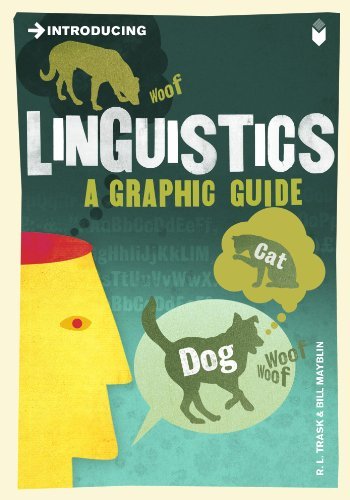
R. L. Trask’s “Introducing Linguistics: A Graphic Guide” is a captivating exploration of the complex world of linguistics, presented in a visually engaging format that makes it accessible to both beginners and seasoned enthusiasts of language studies. Originally published as part of the “Introducing…” series, which aims to demystify various academic subjects through a combination of concise text and vibrant illustrations, Trask’s contribution stands out for its clarity and depth.
The book begins with an introduction that sets the stage for understanding what linguistics entails and why it is important. Trask wastes no time in delving into the fundamental questions: What is language? How do languages evolve and change over time? These questions serve as the foundation upon which the subsequent chapters build, each tackling different aspects of linguistics with a blend of historical context, theoretical frameworks, and practical examples.
One of the strengths of “Introducing Linguistics” lies in its ability to distill complex theories into digestible insights without oversimplifying the subject matter. Trask effortlessly guides readers through phonetics, phonology, morphology, syntax, semantics, and pragmatics, offering clear explanations supported by illustrative diagrams and witty graphics. This approach not only enhances comprehension but also sustains reader engagement throughout the book.
Furthermore, Trask’s writing style is both authoritative and accessible. He strikes a balance between academic rigor and reader-friendly language, making intricate linguistic concepts comprehensible without compromising on scholarly depth. Whether discussing Noam Chomsky’s transformative theories or the diversity of world languages, Trask maintains a narrative that is informative yet conversational, ensuring readers feel empowered rather than overwhelmed.
The graphic elements in the book are particularly noteworthy. The illustrations by Bill Mayblin complement Trask’s text beautifully, providing visual cues that reinforce key ideas and stimulate further reflection. From charts depicting language families to diagrams illustrating the anatomy of speech sounds, these visuals serve as invaluable aids in reinforcing understanding and retention.
Critically, “Introducing Linguistics” excels in its inclusivity and global perspective. Trask acknowledges the diversity of languages and cultures worldwide, highlighting how linguistics is not only a scientific pursuit but also a means of celebrating human expression in all its forms. By incorporating examples from diverse linguistic traditions, the book fosters a richer appreciation for the intricacies of language and communication.
In conclusion, R. L. Trask’s “Introducing Linguistics: A Graphic Guide” is a masterful introduction to the field, serving as an indispensable resource for anyone curious about language and its underlying structures. Whether read cover to cover or used as a reference, this book leaves a lasting impression, equipping readers with both a solid foundation in linguistic theory and a deeper curiosity about the languages we speak. It is a testament to Trask’s expertise and passion for the subject, making it a must-read for students, educators, and language enthusiasts alike.
Overall Rating: ★★★★★
Discover more from The New Renaissance Mindset
Subscribe to get the latest posts sent to your email.
 The New Renaissance Mindset